
Customer Success Jobs by Industry: SaaS, FinTech, HealthTech & More
Table of Contents
Introduction
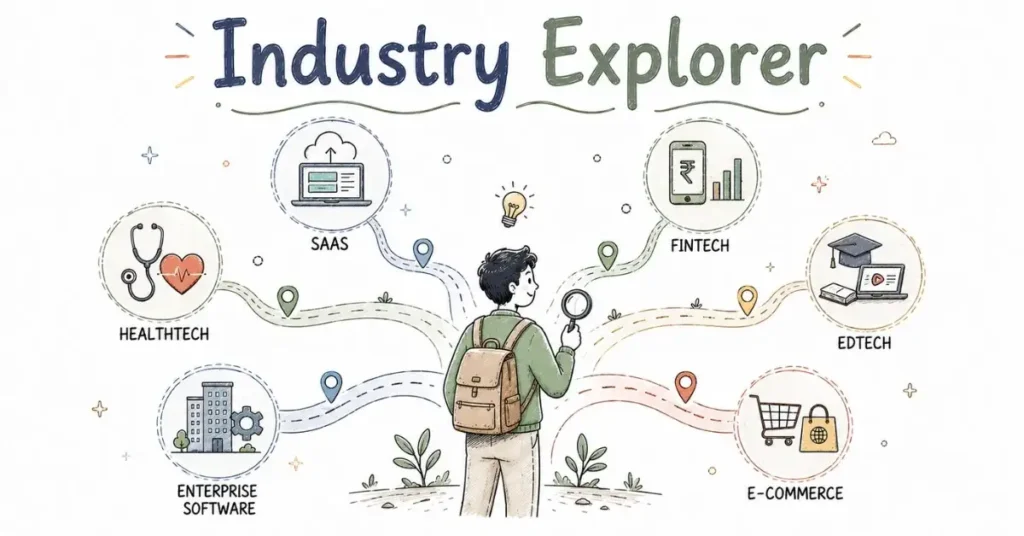
“Should I specialize in a specific industry, or stay generalist?”
Arjun, a Customer Success Manager with 3 years of experience, asked me this last month. He’d received two job offers: one at a fintech company paying ₹2 lakhs more, another at a SaaS company in his current domain. He was torn.
Here’s what I told him: Customer Success principles are universal, but industry context dramatically shapes your day-to-day work, required expertise, career trajectory, and earning potential.
A Customer Success Manager at a healthcare SaaS company needs clinical terminology knowledge and regulatory understanding. A CS professional at a fintech company must grasp financial concepts and compliance requirements. An edtech CSM needs educational design thinking and academic calendar awareness.
In 2026, India’s tech ecosystem spans diverse industries each creating unique Customer Success opportunities. Understanding these industry-specific nuances helps you choose specializations strategically, position yourself effectively, and accelerate your career.
This comprehensive guide explores Customer Success across major industries: the specific skills each requires, typical compensation, growth opportunities, challenges you’ll face, and how to break into each sector. Whether you’re starting your CS career or considering a pivot, this guide helps you navigate industry choices strategically.
Industry 1: B2B SaaS (The CS Heartland)
What It Is:
Software-as-a-Service companies selling subscription-based cloud software to businesses (project management, CRM, marketing automation, HR tools, collaboration platforms).
Examples:
- Global: Salesforce, HubSpot, Slack, Zoom, Asana
- Indian: Freshworks, Zoho, Postman, CleverTap, Wingify
Why SaaS is CS's Natural Home:
B2B SaaS practically invented modern Customer Success. The subscription model demands retention focus if customers don’t renew monthly/annually, the business fails. This makes CS absolutely critical
Industry-Specific Skills:
Product Complexity Understanding:
SaaS products range from simple (scheduling tools) to complex (enterprise platforms). You must master your product deeply enough to guide customers through advanced use cases.
Integration Knowledge:
Most SaaS products integrate with other tools. Understanding API basics, common integration patterns, and troubleshooting connection issues is valuable.
Data Analysis:
SaaS companies are data-obsessed. You’ll constantly analyze usage data, cohort behavior, feature adoption, and health scores.
Multi-Stakeholder Management:
B2B buying decisions involve multiple people. You’ll manage relationships with end-users, managers, IT administrators, and executives simultaneously.
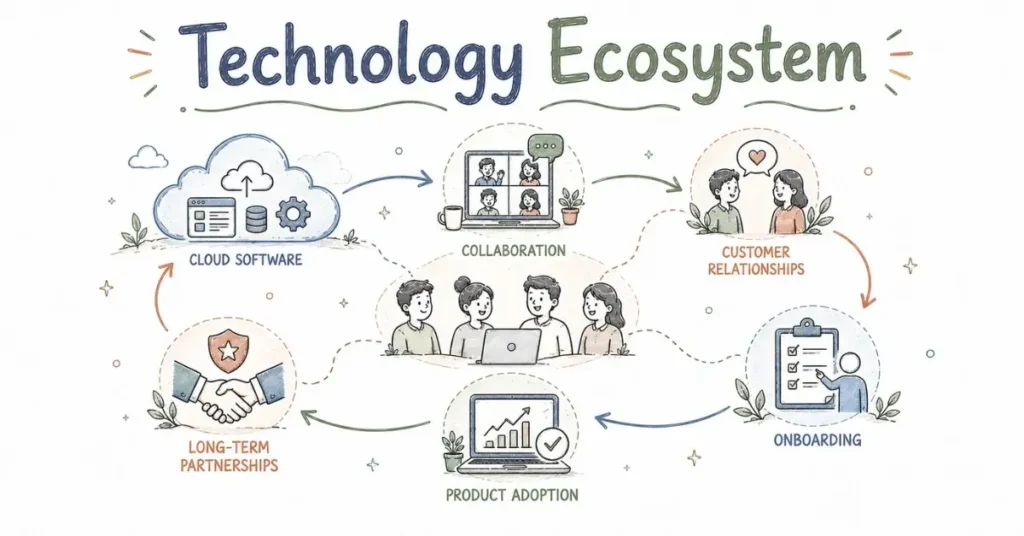
Typical Customer Journey:
Sale → Onboarding (Implementation) → Adoption → Expansion → Renewal
Your role touches all stages:
- Onboarding: Get customer using product quickly
- Adoption: Drive feature usage and value realization
- Expansion: Identify upsell opportunities (more users, higher plans, add-ons)
- Renewal: Ensure smooth contract renewals
Compensation (India, 2026):
CSM: ₹8-16 lakhs
Senior CSM: ₹18-28 lakhs
Director: ₹35-55 lakhs
Why Higher: SaaS profit margins are high (70-80%), allowing generous CS investment.
Career Growth:
Strongest career paths: B2B SaaS has most developed CS career ladders. Clear progression, abundant opportunities, mature best practices.
Challenges:
Churn Pressure: Monthly/annual churn cycles create constant pressure
Product Complexity: Complex products require deep technical learning
Competition: Crowded space with many alternatives
Breaking Into SaaS CS:
Ideal Background:
- Previous customer-facing roles
- Tech-savvy (comfortable learning software quickly)
- Analytical mindset
- Business acumen
Entry Point: SaaS companies hire most actively best place to start CS career
Industry 2: FinTech (High Stakes, High Rewards)
What It Is:
Financial technology companies providing digital banking, payments, lending, wealth management, accounting, or financial services software.
Examples:
- Global: Stripe, Square, Plaid
- Indian: Razorpay, PhonePe, Paytm, Zerodha, CRED, Jupiter, NiYo
Why CS is Critical in FinTech:
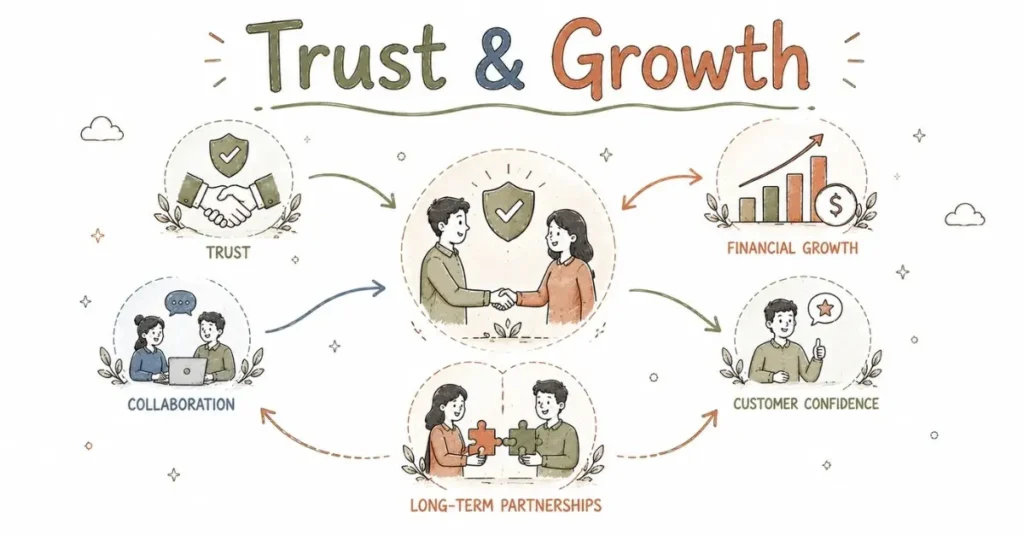
Financial services involve trust, regulation, and money mistakes have serious consequences. Customer Success ensures customers use products correctly, securely, and in compliance with regulations.
Industry-Specific Skills:
Financial Literacy:
You must understand financial concepts: payment gateways, reconciliation, settlements, KYC/AML, lending, interest calculations, tax implications.
Regulatory Knowledge:
FinTech is heavily regulated. Understanding RBI guidelines, PCI DSS compliance, data privacy (GDPR in Europe, data localization in India) is crucial.
Security Awareness:
Financial products handle sensitive data. You’ll deal with fraud prevention, security protocols, encryption, and customer security education.
High-Touch Service:
Money is emotional. Customers have low tolerance for errors. CS in fintech requires patience, precision, and excellent communication.
Risk Management:
Understanding credit risk, fraud risk, operational risk helps you guide customers appropriately.
Typical Customer Journey:
B2B FinTech (e.g., Razorpay for businesses):
- Onboarding: KYC verification, account setup, integration setup
- Activation: First transaction processed successfully
- Scale: Increasing transaction volumes
- Retention: Preventing switch to competitors
B2C FinTech (e.g., digital banking):
- Acquisition: Sign-up and KYC
- Activation: First deposit/transaction
- Engagement: Regular usage
- Monetization: Revenue-generating behaviors (credit usage, investments)
- Retention: Preventing account dormancy
Compensation:
10-15% premium over general SaaS due to complexity and regulation:
CSM: ₹10-18 lakhs
Senior CSM: ₹20-32 lakhs
Director: ₹40-65 lakhs
Career Growth:
Strong demand: India’s FinTech sector is booming (₹2 trillion+ market). Experienced FinTech CS professionals highly valued.
Transferable Skills: FinTech CS experience opens doors to financial services, consulting, regulatory roles.
Challenges:
Regulatory Complexity: Constant regulatory changes require continuous learning
High Pressure: Money mistakes have serious consequences stress levels high
Customer Anxiety: Financial customers are often anxious requires exceptional empathy
Fraud Risk: Dealing with fraudulent accounts and security incidents
Breaking Into FinTech CS:
Ideal Background:
- Finance, commerce, or business education
- Previous banking/financial services experience (bonus)
- Detail-oriented, process-driven
- High integrity and trustworthiness
Entry Strategy: Start in B2B FinTech (merchant services, payment processing) easier entry than consumer banking
Industry 3: HealthTech / MedTech (Purpose-Driven CS)
What It Is:
Technology improving healthcare delivery: telemedicine, health records, hospital management, diagnostics, pharmacy, wellness, medical devices.
Examples:
- Global: Teladoc, Epic Systems
- Indian: Practo, PharmEasy, 1mg, Netmeds, HealthifyMe, Curefit
Why CS is Critical in HealthTech:
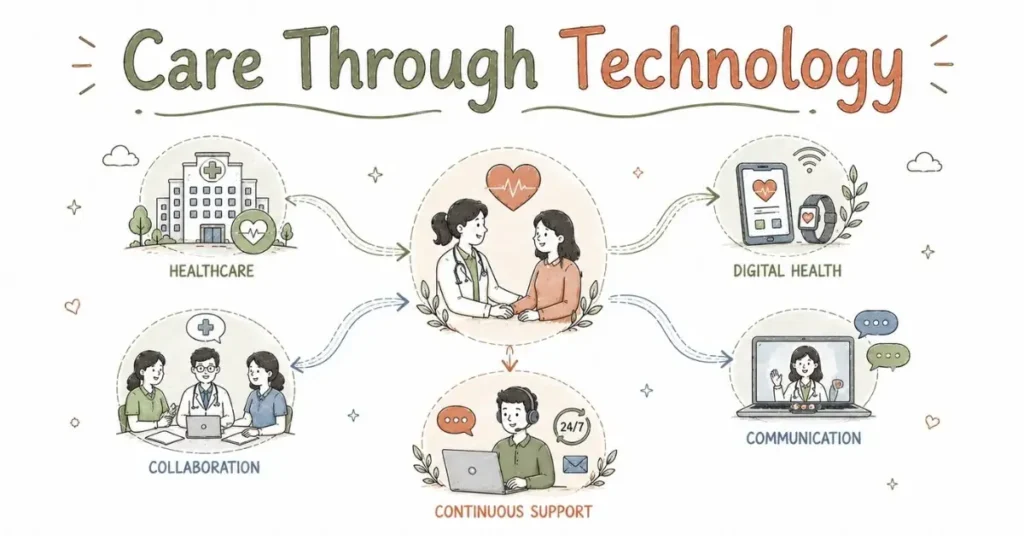
Healthcare is literally life-and-death. Product failures affect patient outcomes. Customer Success ensures clinical staff use products correctly and safely.
Step 3: Learn Campaign Strategy and Measurement (Month 3-4):
Industry-Specific Skills:
Clinical Knowledge:
Understanding medical terminology, clinical workflows, healthcare roles (doctors, nurses, administrators), treatment processes.
Regulatory Understanding:
Healthcare is highly regulated: HIPAA (US), data privacy laws, medical device regulations, clinical trial requirements.
Empathy at Scale:
Healthcare customers often deal with stress, illness, and life-or-death situations. Exceptional empathy required.
Training Expertise:
Healthcare professionals need extensive training on new systems. Strong training/education skills valuable.
Patience:
Healthcare adoption is slow due to risk aversion, regulatory constraints, and established protocols. Long sales cycles, long implementation cycles.
Typical Customer Segments:
B2B (Hospital/Clinic Management Software):
- IT administrators
- Clinical staff (doctors, nurses)
- Hospital administrators
- Long implementation timelines (6-12 months)
B2C (Consumer Health Apps):
- Patients/consumers
- Focus on engagement and behavior change
- Education-heavy CS approach
Compensation:
Similar to general SaaS, slightly lower:
CSM: ₹7-15 lakhs
Senior CSM: ₹16-26 lakhs
Director: ₹30-50 lakhs
Why Lower: Healthcare margins often lower than pure SaaS; many HealthTech companies still scaling
Career Growth:
Purpose-Driven: Attracts people passionate about healthcare impact high job satisfaction
Specialization Value: HealthTech CS expertise is specialized you become valuable in healthcare tech ecosystem
Emerging Market: India’s HealthTech is exploding massive growth potential
Challenges:
Complex Stakeholders: Managing doctors, nurses, administrators, IT each with different priorities
Risk Aversion: Healthcare customers resist change due to patient safety concerns slow adoption
Regulatory Hurdles: Compliance complexity adds friction
Emotional Weight: Dealing with life-and-death consequences is emotionally taxing
Breaking Into HealthTech CS:
Ideal Background:
- Healthcare/life sciences education (biology, nursing, pharmacy, healthcare administration)
- Previous healthcare experience (clinical, administrative, health insurance)
- Strong empathy and patience
- Training/education skills
Entry Strategy: Consider healthcare startups (more willing to train) or B2C health apps (easier entry than B2B hospital software)
Industry 4: EdTech (Education Technology)
What It Is:
Technology for education: online learning platforms, course marketplaces, K-12 education, test prep, upskilling, corporate training.[linkedin]
Examples:
- Global: Coursera, Udemy, Duolingo
- Indian: BYJU’S, Unacademy, upGrad, Vedantu, Eruditus, Frontlines Edutech
Why CS is Critical in EdTech:
Education outcomes depend on engagement and completion. CS drives student success, which drives retention and referrals.
Industry-Specific Skills:
Educational Design Thinking:
Understanding pedagogy, learning science, instructional design, assessment methods.
Student Psychology:
Understanding learner motivation, engagement patterns, dropout triggers.
Academic Calendar Awareness:
Education follows cycles (semesters, exam seasons). CS activities must align.
Content Understanding:
Familiarity with subject matter (K-12 curriculum, professional certifications, skill development) helps guide learners.
Parent/Guardian Management:
For K-12, you often manage parents/guardians, not just students.
Typical Customer Segments:
B2C (Individual Learners):
- Direct to students/parents
- High volume, lower touch
- Focus on engagement and completion
B2B (Corporate Training/Institutional):
- Companies buying training for employees
- Schools/universities buying platforms
- Higher touch, longer sales cycles
Compensation:
Varies widely:
B2C EdTech: ₹6-14 lakhs (volume-based, lower touch)
B2B EdTech: ₹8-18 lakhs (higher touch)
Senior roles: ₹18-35 lakhs
Career Growth:
Purpose-Driven: Impact on learners’ lives provides meaning
Growing Market: India’s EdTech market is ₹10,000+ crore and expanding
Diverse Opportunities: K-12, higher ed, professional upskilling, corporate training many niches
Challenges:
Engagement Struggle: Students drop off completion rates challenging
Parental Pressure: Managing anxious parents in K-12 segment
Seasonal Fluctuations: Academic calendars create peaks and valleys
Commoditization: Crowded market with intense competition
Breaking Into EdTech CS:
Ideal Background:
- Education background (teaching, instructional design)
- Content expertise in specific subject
- Experience working with students/learners
- Patience and motivation skills
Entry Strategy: B2C platforms hire actively; teaching/tutoring experience highly valued
Industry 5: Enterprise Software (High-Value, High-Touch)
What It Is:
Large-scale software for enterprises: ERP, supply chain management, enterprise resource planning, workforce management.
Examples:
- Global: SAP, Oracle, Workday, ServiceNow
- Indian: TCS Enterprise Solutions, Infosys Products
Why CS is Different in Enterprise:
Deals worth crores. Single customer might pay ₹5-50 crores over multi-year contract. Losing one customer is devastating. CS is white-glove, high-touch service.
Industry-Specific Skills:
Executive Communication:
Regular interaction with C-suite. Must communicate at strategic, business-outcome level.
Complex Implementation Management:
Enterprise software takes 6-18 months to implement. Managing complex, multi-phase projects.
Change Management:
Enterprise software changes organizational processes. Understanding organizational change management critical.
Business Process Expertise:
Understanding enterprise business processes (supply chain, finance, HR, procurement) deeply.
Multi-Stakeholder Orchestration:
Coordinating dozens of stakeholders across multiple departments and levels.
Typical Customer Journey:
Sale → Implementation (6-18 months) → Adoption → Optimization → Expansion → Renewal (3-5 year contracts)
CS often starts during implementation, intensifies post-go-live.
Compensation:
Premium tier:
Enterprise CSM: ₹12-22 lakhs
Senior Enterprise CSM: ₹25-40 lakhs
Director: ₹45-70 lakhs
Why Higher: Account values are massive; losing one account catastrophic
Career Growth:
Strategic Role: Enterprise CS is highly strategic excellent preparation for executive roles
High Visibility: Working with C-suite builds executive presence
Transferable Skills: Enterprise CS skills transfer to consulting, product, sales leadership
Challenges:
Long Sales Cycles: Everything moves slowly in enterprise
Complex Politics: Navigating large organizational politics
High Pressure: Account losses measured in crores
Implementation Complexity: Technical and organizational complexity immense
Breaking Into Enterprise CS:
Ideal Background:
- Previous enterprise experience (consulting, enterprise sales, implementation)
- MBA or business education
- Mature professional presence
- 5+ years experience typically required
Entry Strategy: Difficult to enter directly usually need 3-5 years CS experience first
Industry 6: E-Commerce & Consumer Tech
What It Is:
Consumer-facing platforms: marketplaces, food delivery, ride-hailing, e-commerce, social media, gaming.
Examples:
- Global: Amazon, Uber, Airbnb
- Indian: Flipkart, Swiggy, Zomato, Meesho, Dream11
CS in Consumer Tech:
Often called “Customer Experience” or “Customer Support” rather than “Customer Success.” Focus is scale millions of users, not dozens of accounts.
Industry-Specific Skills:
Scale Thinking:
Managing customer experiences for millions, not individuals. Focus on systems, automation, data.
Operations Excellence:
High efficiency required can’t give white-glove service to everyone.
Behavioral Psychology:
Understanding consumer behavior, retention drivers, engagement loops.
Platform-Specific Knowledge:
Understanding marketplace dynamics, two-sided platforms, network effects.
Compensation:
CX roles: ₹5-12 lakhs
CX Managers: ₹12-22 lakhs
Head of CX: ₹30-50 lakhs
Challenges:
Volume: Managing scale is overwhelming
Automation Pressure: Constant push to automate, reduce human touch
Lower Margins: Consumer businesses often lower margin CS budgets tight
Choosing Your Industry: Strategic Considerations
Questions to Ask:
- What interests you intellectually?
Financial concepts? Healthcare impact? Education outcomes? Enterprise business processes? - What’s your risk tolerance?
High-growth startups (higher risk, higher reward) vs established companies (stability)? - What’s your timeline?
Quick career growth (SaaS) vs slow, steady (enterprise)? - What’s your personality?
High-touch relationship builder (enterprise) vs data-driven systems thinker (consumer scale)? - What’s your background?
Leverage existing expertise (finance background → FinTech; teaching → EdTech)
Industry Switching: Is It Possible?
Good News: CS skills are transferable. You can switch industries.
Best Practices:
- Emphasize transferable CS skills (retention, relationship building, data analysis)
- Show genuine interest in new industry (research, courses, certifications)
- Network in target industry
- Consider lateral move for industry switch (same level, different industry)
Easiest Switches:
- Within B2B (SaaS → Enterprise → FinTech)
- Between consumer tech companies
Hardest Switches:
- B2C to B2B Enterprise (very different)
- Unrelated industries with specialized knowledge (healthcare → fintech)
Conclusion: Industry Shapes Your CS Career
While Customer Success principles are universal retention, adoption, expansion, customer satisfaction the industry context dramatically shapes your daily work, required expertise, and career trajectory.
There’s no “best” industry only best fit for your interests, skills, values, and goals.
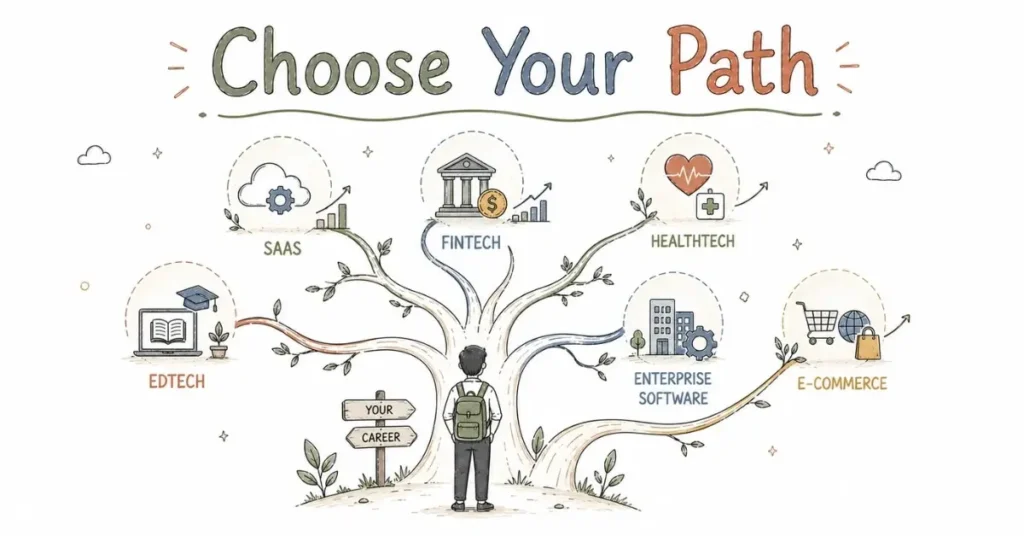
SaaS offers structured CS career paths. FinTech offers high compensation and complexity. HealthTech offers purpose and impact. EdTech combines education passion with tech careers. Enterprise offers strategic, high-value work.
Your move: Choose industry alignment strategically based on your background, interests, and career goals. Then develop industry-specific expertise that makes you invaluable in that ecosystem.
Industry specialization is powerful. Choose yours wisely.