
Cybersecurity & IT Infrastructure for E-commerce
Table of Contents
Introduction: Why E-commerce Security is a ₹100 Crore Mistake Away
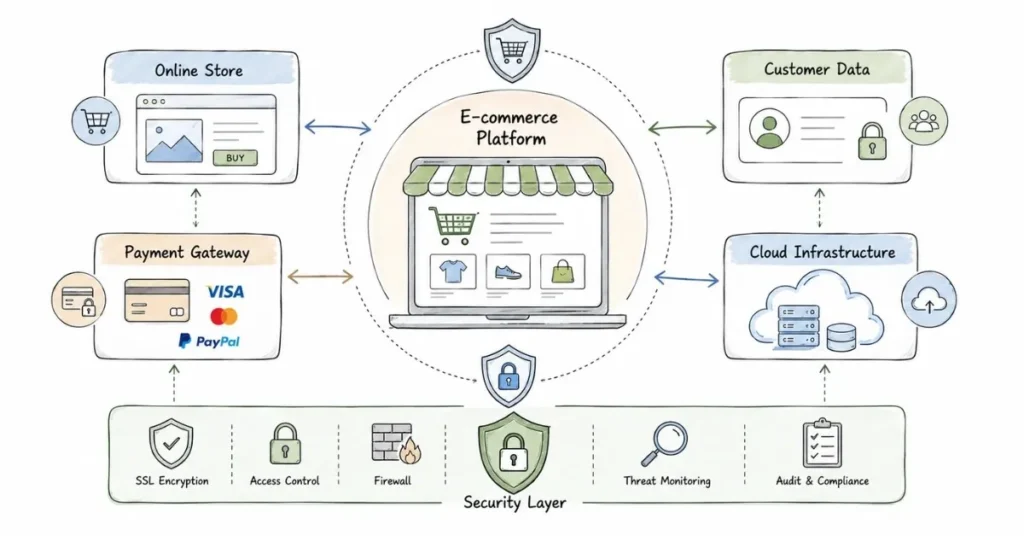
Let me tell you about what happened to a mid-sized Indian e-commerce company in 2024 (name withheld):
Day 1, 3:00 AM: Hackers breached their database through a vulnerability in an outdated plugin.
Day 1, 8:00 AM: Company discovered the breach. Customer data compromised: 2.3 lakh customer records including names, emails, phone numbers, and partial credit card details (last 4 digits).
Day 2: News leaked to media. “Major E-commerce Data Breach” headlines everywhere.
Week 1:
- RBI investigation started
- Legal notices from affected customers
- Customer trust evaporated (80% drop in daily orders)
- Payment gateway suspended their merchant account
Month 3:
- ₹15 crore in legal settlements
- ₹8 crore in lost revenue
- ₹5 crore spent on crisis management and security overhaul
- Permanent damage to brand reputation
Total cost of inadequate security: Over ₹100 crores (including long-term revenue loss).
This is why e-commerce cybersecurity isn’t just an IT department concern it’s existential. One security failure can destroy years of building.
And this is why cybersecurity professionals in e-commerce are among the highest-paid, most in-demand roles in the industry. You’re not just protecting systems; you’re protecting the entire business.
This guide shows you how to build a career protecting e-commerce platforms, customer data, and payment systems in India’s fast-growing digital economy.
Understanding the E-commerce Security Landscape
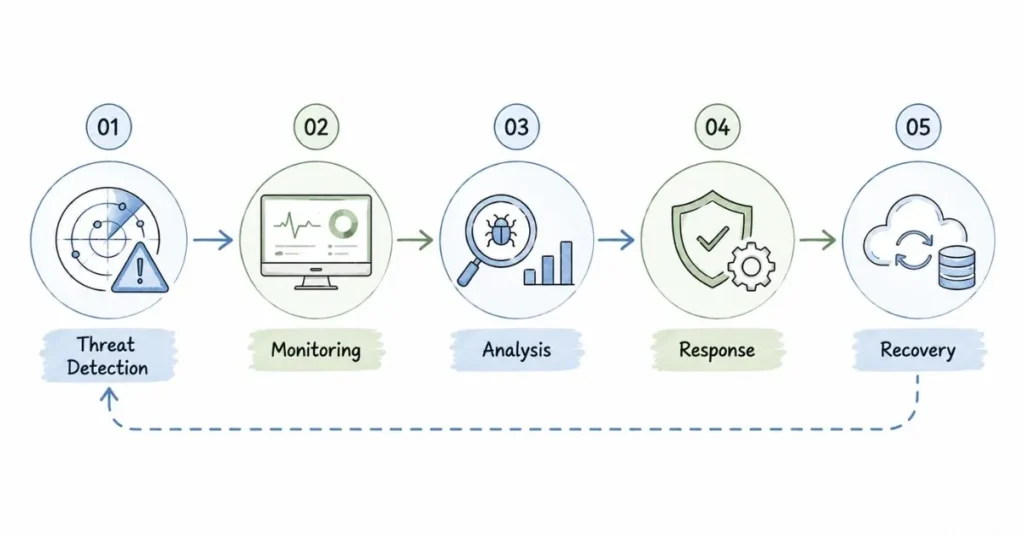
E-commerce platforms are attractive targets for hackers because they have:
Financial data: Credit card information, bank account details, UPI IDs
Personal data: Names, addresses, phone numbers, emails (valuable for phishing, identity theft)
Transaction data: Purchase patterns, behavior data
Business intelligence: Pricing strategies, supplier information, sales data
Common threats facing Indian e-commerce:
Payment fraud:
- Stolen credit card testing (hackers use your checkout to test if stolen cards work)
- COD fraud (fake orders to receive products without payment)
- Refund fraud (buy, claim product not delivered, get refund, keep product)
Data breaches:
- Hacking into databases to steal customer information
- SQL injection attacks
- Phishing attacks on employees to gain access
Account takeovers:
- Hackers accessing customer accounts using stolen passwords
- Credential stuffing (trying passwords leaked from other websites)
DDoS attacks (Distributed Denial of Service):
- Overwhelming website with traffic to crash it
- Often used by competitors or for ransom (“Pay us or we’ll keep your site down”)
API vulnerabilities:
- E-commerce sites integrate with payment gateways, logistics partners, CRMs
- Each integration is a potential vulnerability if not secured properly
Insider threats:
- Employees with access to systems misusing data
- Accidentally exposing data due to negligence
Malicious bots:
- Scraping pricing data
- Inventory hoarding (adding products to cart to make them unavailable to real customers)
- Fake reviews and ratings
Cybersecurity Roles in E-commerce
Information Security Analyst: The Threat Detective
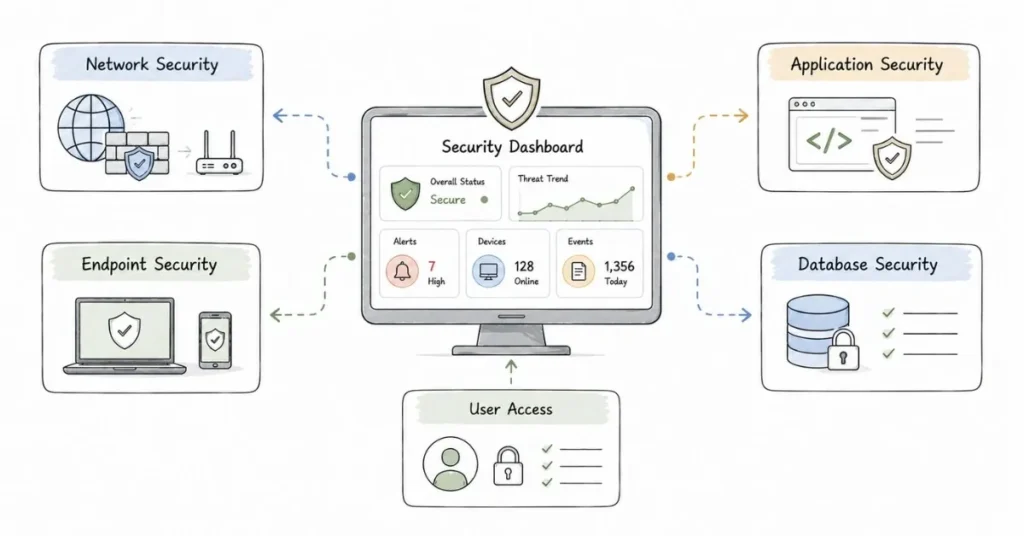
What you actually do:
You’re continuously monitoring systems for security threats, responding to incidents, and implementing security measures.
Key responsibilities:
Security monitoring:
- Using SIEM (Security Information and Event Management) tools to monitor all system activities
- Identifying unusual patterns (login from unusual location, multiple failed login attempts, unusual database queries)
- Investigating potential security incidents
Incident response:
- When security incident occurs (data breach, hack attempt, DDoS attack), you’re the first responder
- Containing the threat (isolating affected systems)
- Investigating how breach occurred
- Coordinating with teams to fix vulnerability
- Post-incident reporting and learning
Vulnerability management:
- Regular security assessments to find vulnerabilities
- Penetration testing (ethical hacking to find weaknesses)
- Ensuring software and systems are updated with security patches
- Scanning for vulnerabilities in code, infrastructure, applications
Security policy implementation:
- Creating and enforcing security policies (password policies, access controls, data handling procedures)
- Security awareness training for employees
- Compliance with regulations (PCI DSS for payments, data privacy laws)
A typical week for Arjun, Security Analyst at a D2C company in Bangalore:
Monday:
- Review weekend security logs (automated monitoring alerts)
- Found 15 failed login attempts on admin panel from suspicious IP (probably bot attack)
- Block IP range, implement rate limiting
- Document incident
Tuesday:
- Quarterly vulnerability assessment
- Using tools like Nessus, OWASP ZAP to scan website and systems
- Found: Outdated WordPress plugin with known vulnerability
- Create ticket for tech team to update immediately
Wednesday:
- Security awareness training session for new employees
- Topics: Phishing emails, password security, handling customer data, social engineering
- Make it engaging (use real examples, interactive quizzes)
Thursday:
- Reviewing access logs for admin panel
- Notice: Employee who left company 2 weeks ago still has system access (oversight)
- Immediately revoke access
- Create process improvement: Automated access removal when employee exits
Friday:
- Preparing monthly security report for management
- Metrics: Security incidents, vulnerabilities found and fixed, compliance status
- Recommendations for next month
Skills you need:
Technical skills:
Networking fundamentals:
- Understanding TCP/IP, HTTP/HTTPS, DNS
- Firewalls, VPNs, proxies
- How data moves across internet
Security tools:
- SIEM tools (Splunk, ELK Stack, IBM QRadar)
- Vulnerability scanners (Nessus, Qualys, OpenVAS)
- Penetration testing tools (Metasploit, Burp Suite, OWASP ZAP)
- Antivirus and anti-malware solutions
Operating systems:
- Linux security (most servers run Linux)
- Windows security
- Command-line proficiency
Web application security:
- Understanding OWASP Top 10 vulnerabilities (SQL injection, XSS, CSRF, etc.)
- Secure coding practices
- API security
Cloud security:
- AWS/Azure/GCP security features
- IAM (Identity and Access Management)
- Cloud monitoring and logging
Compliance knowledge:
PCI DSS (Payment Card Industry Data Security Standard):
- Mandatory for any e-commerce accepting credit/debit cards
- 12 requirements covering network security, data protection, access control, monitoring
- Regular audits required
Data privacy regulations:
- India’s Digital Personal Data Protection Act
- GDPR (if serving EU customers)
- Understanding data handling, storage, deletion requirements
IT Act 2000 and amendments:
- Legal framework for cybersecurity in India
- Liability and penalties for data breaches
Analytical and soft skills:
Threat intelligence:
- Staying updated on latest threats
- Understanding hacker techniques
- Following security research communities
Problem-solving:
- Security incidents need quick thinking
- Balancing security with usability (too much security frustrates users)
Communication:
- Explaining technical security issues to non-technical stakeholders
- Writing clear security policies
- Training employees
Attention to detail:
- Security is in the details
- One overlooked vulnerability can be catastrophic
Salary expectations:
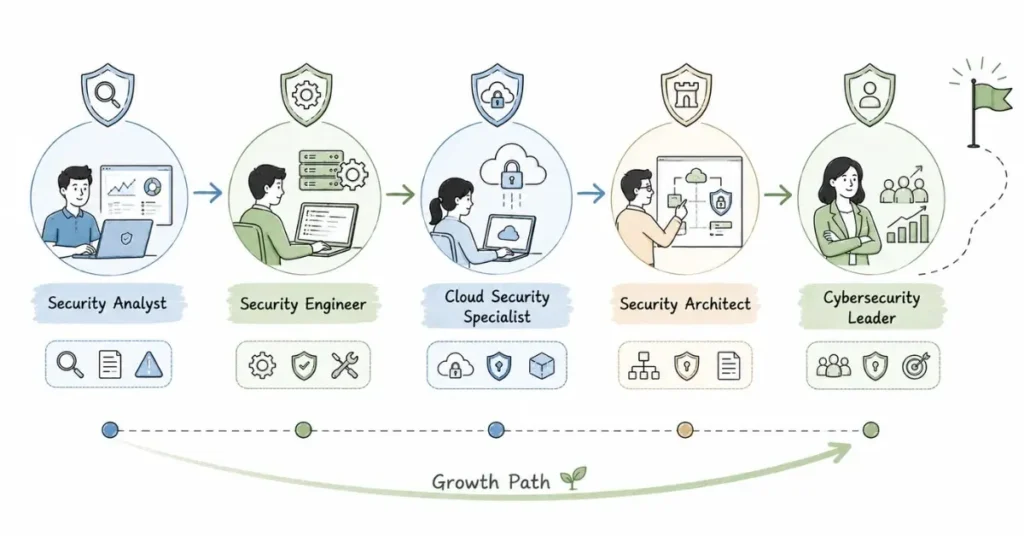
Entry level – Security Analyst (0-2 years): ₹5-9 LPA
Mid level – Senior Security Analyst (3-5 years): ₹10-18 LPA
Senior – Security Lead/Manager (6-9 years): ₹20-35 LPA
Leadership – CISO/Head of Security (10+ years): ₹40-80 LPA
Security professionals earn 20-30% more than equivalent roles in other domains due to high demand and critical nature of work.
IT Infrastructure Manager: The Reliability Guardian
What you actually do:
You ensure the e-commerce platform is always available, fast, and reliable. You manage servers, databases, networks, cloud infrastructure.
Key responsibilities:
Infrastructure management:
- Managing servers (physical or cloud-based)
- Database administration (MySQL, PostgreSQL, MongoDB)
- Network infrastructure
- CDN (Content Delivery Network) management
Performance optimization:
- Ensuring website loads fast (every second of delay loses customers)
- Optimizing database queries
- Implementing caching strategies
- Load balancing across multiple servers
Availability and uptime:
- Ensuring 99.9%+ uptime (e-commerce can’t afford to be down)
- Redundancy and backup systems
- Disaster recovery planning
- 24/7 monitoring
Scalability:
- Ensuring platform can handle traffic spikes (festival sales)
- Auto-scaling infrastructure (automatically adding servers during high traffic)
- Load testing before major sales
Security infrastructure:
- Firewalls, DDoS protection
- SSL/TLS certificates
- Secure server configurations
- Regular security updates and patches
Backup and disaster recovery:
- Regular automated backups
- Testing backup restoration (backup is useless if you can’t restore)
- Disaster recovery plans (what if primary data center fails?)
A typical day for Meera, Infrastructure Manager at an e-commerce marketplace in Mumbai:
9:00 AM: Check overnight monitoring alerts
- Website uptime: 99.98% (excellent)
- Average page load time: 1.2 seconds (target is under 2 seconds, we’re good)
- Database CPU usage spiked at 3 AM briefly (investigate later)
10:30 AM: Capacity planning meeting
- Big Billion Day equivalent sale in 6 weeks
- Expected traffic: 10x normal
- Planning: Scale from current 20 servers to 200 servers for sale period
- Budget approval needed
12:00 PM: Performance optimization
- Category page loading slow (3.5 seconds)
- Investigation: Database query inefficient, fetching unnecessary data
- Work with backend team to optimize query
- Implement query result caching
- New load time: 1.4 seconds (massive improvement)
2:00 PM: Infrastructure audit
- Reviewing all servers, databases, configurations
- Found: One backup job failing for 3 days (nobody noticed)
- Fix immediately, implement better alerting
4:00 PM: Vendor meeting
- CDN provider (Cloudflare/Akamai) discussing DDoS protection upgrade
- Negotiating pricing and features
5:30 PM: Documentation update
- Updating infrastructure architecture diagrams
- Documenting recent changes
Skills you need:
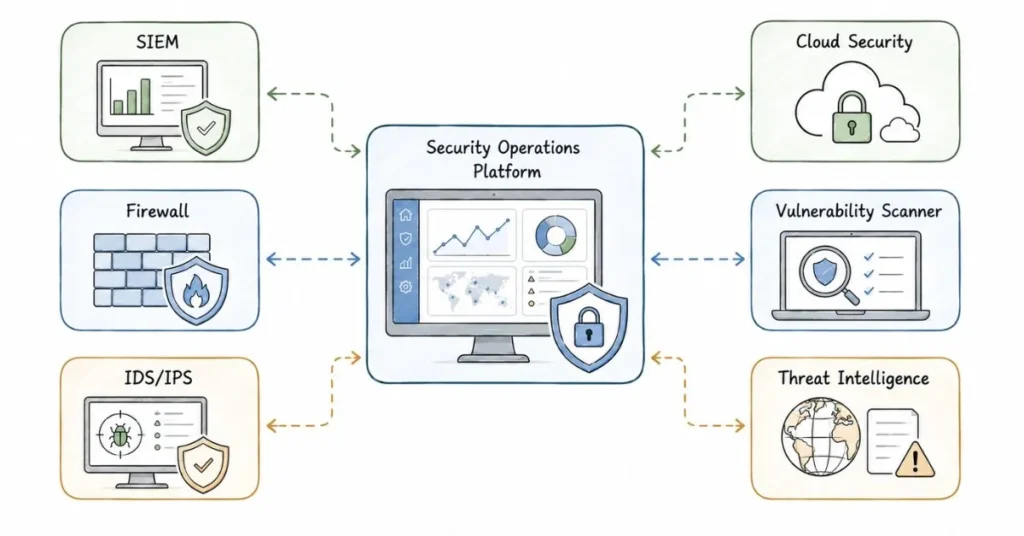
Cloud platforms:
AWS (Amazon Web Services) Most used in Indian e-commerce:
- EC2 (servers), S3 (storage), RDS (databases), CloudFront (CDN)
- Auto Scaling, Load Balancers
- CloudWatch (monitoring)
- AWS certifications valuable (Solutions Architect, SysOps Administrator)
Azure or Google Cloud Platform:
- Alternative cloud providers
- Similar concepts, different implementations
Server administration:
- Linux (most e-commerce runs on Linux)
- Windows Server (less common for web applications)
- Web servers (Nginx, Apache)
- Command-line proficiency (essential)
Database management:
- MySQL/PostgreSQL administration
- Query optimization
- Backup and recovery
- Replication and clustering
Networking:
- TCP/IP, DNS, Load balancing
- CDN configuration
- SSL/TLS certificates
Monitoring and logging:
- Monitoring tools (Nagios, Zabbix, Prometheus, Grafana)
- Log management (ELK Stack – Elasticsearch, Logstash, Kibana)
- Alerting systems
Scripting and automation:
- Bash scripting for Linux
- Python for automation
- Infrastructure as Code (Terraform, Ansible, CloudFormation
Salary expectations:
Entry level – System Administrator (0-2 years): ₹4-7 LPA
Mid level – Infrastructure Engineer (3-5 years): ₹8-16 LPA
Senior – Infrastructure Manager (6-9 years): ₹18-32 LPA
Leadership – VP Infrastructure/CTO (10+ years): ₹35-70 LPA
DevOps Engineer: The Automation Specialist
What you actually do:
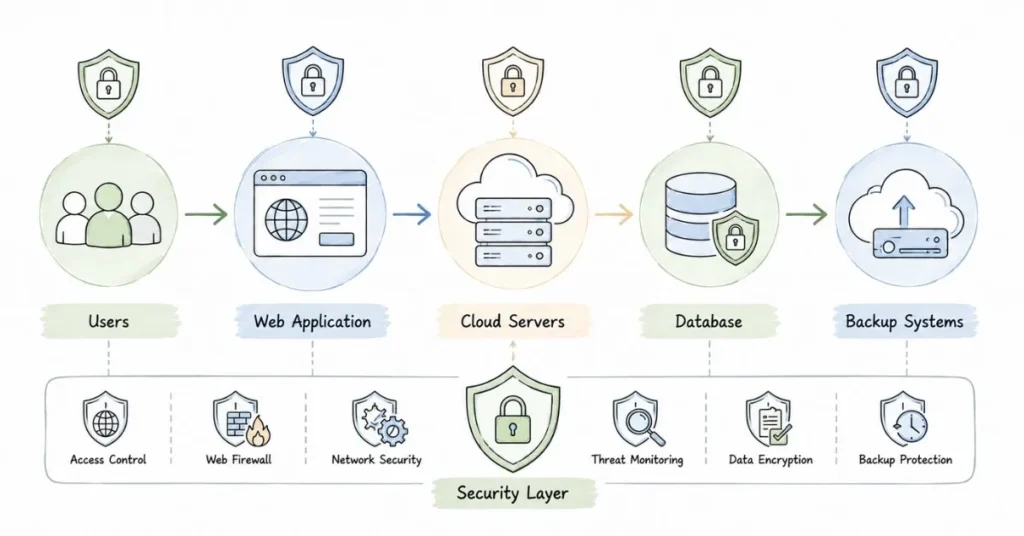
You bridge development and operations, automating deployment, ensuring smooth release cycles, maintaining CI/CD pipelines.
Key responsibilities:
CI/CD (Continuous Integration/Continuous Deployment):
- Automating code deployment (developer pushes code, it automatically tests and deploys)
- Ensuring new code doesn’t break existing functionality
- Fast, safe deployments (multiple deployments per day instead of monthly)
Infrastructure automation:
- Using Infrastructure as Code (IaC) tools
- Automating server setup, configuration
- Version controlling infrastructure
Monitoring and logging:
- Setting up comprehensive monitoring
- Ensuring quick detection and resolution of issues
- Creating dashboards for visibility
Containerization and orchestration:
- Using Docker (containers package applications with dependencies)
- Kubernetes (orchestrating containers at scale)
- Microservices architecture support
Skills you need:
- Linux, cloud platforms (AWS/Azure/GCP)
- CI/CD tools (Jenkins, GitLab CI, GitHub Actions)
- Containers (Docker, Kubernetes)
- Scripting (Python, Bash)
- Version control (Git)
- Infrastructure as Code (Terraform, Ansible
Salary expectations:
- Entry level (1-2 years): ₹6-10 LPA
- Mid level (3-5 years): ₹12-22 LPA
- Senior (6+ years): ₹25-45 LPA
DevOps is one of the highest-paying tech roles due to high demand and skill scarcity.
Payment Security Specialist: The Transaction Guardian
What you actually do:
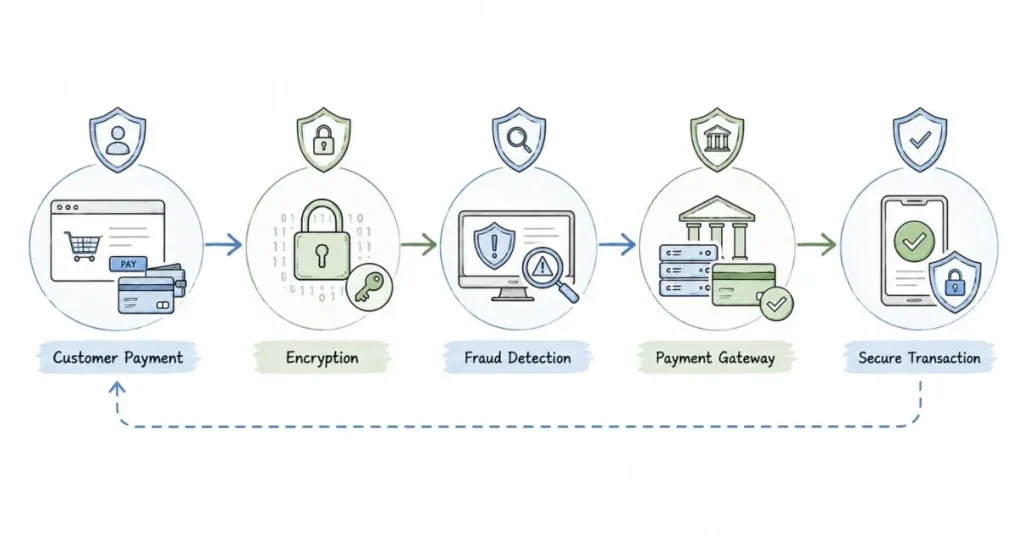
You specifically focus on securing payment processes the most critical and regulated part of e-commerce.
Key responsibilities:
PCI DSS compliance:
- Ensuring complete compliance with Payment Card Industry standards
- Regular audits and certifications
- Working with QSAs (Qualified Security Assessors)
Payment gateway security:
- Secure integration with Razorpay, PayU, CCAvenue, etc.
- Tokenization (storing token instead of actual card details)
- Encryption of payment data
Fraud prevention:
- Implementing fraud detection systems
- Monitoring suspicious transactions
- Blocking fraudulent payment attempts
- Working with payment gateways’ fraud prevention tools
Payment flow security:
- Securing checkout pages
- Ensuring payment data never touches your servers (direct gateway integration)
- 3D Secure implementation (additional authentication layer)
Indian payment landscape specific:
UPI security:
- Securing UPI integrations
- Understanding UPI fraud patterns
COD fraud prevention:
- Address verification
- Customer history analysis
- OTP verification before dispatch
Multiple payment methods:
- Cards, UPI, wallets, net banking, EMI, BNPL
- Each has different security considerations
Skills you need:
- Deep understanding of payment systems
- PCI DSS standards (expert level)
- Cryptography basics
- Fraud detection techniques
- API security
Salary expectations:
Mid level (3-5 years): ₹12-20 LPA
Senior (6+ years): ₹22-38 LPA
Specialized and highly valuable role.
Learning Path for E-commerce Security Careers
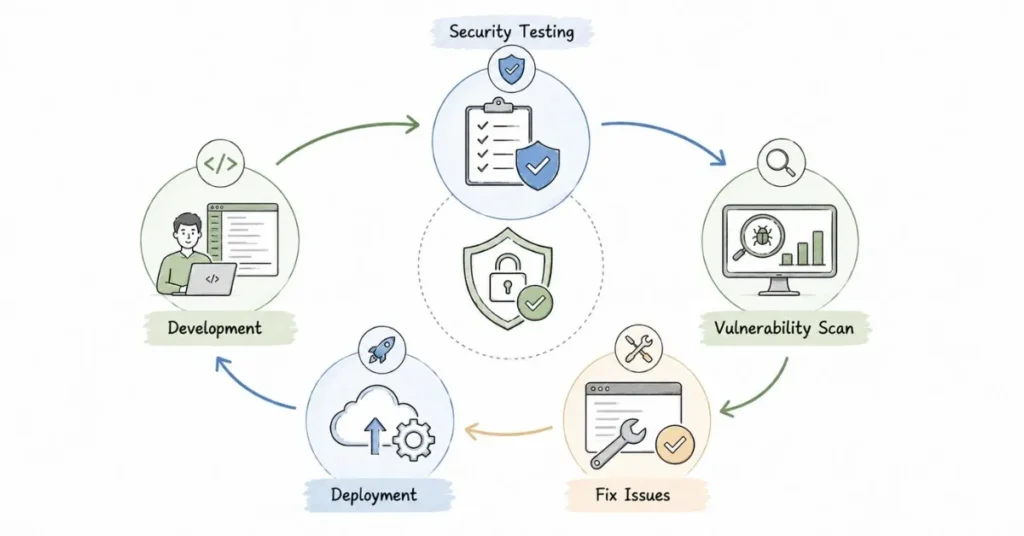
For Cybersecurity Analyst Path:
Months 1-3: Foundational knowledge
- Learn networking basics (free: NetworkChuck YouTube channel)
- Understand web technologies (HTML, HTTP, APIs)
- Learn Linux basics (free: Linux Journey website)
Months 4-6: Security fundamentals
- Study OWASP Top 10 vulnerabilities
- Learn basic ethical hacking (free: HackerSploit YouTube)
- Practice on platforms like HackTheBox, TryHackMe (₹500-1000/month)
Months 7-9: Tools and certifications
- Learn security tools (Burp Suite, Metasploit)
- Consider CompTIA Security+ certification (₹20,000-25,000)
- Or CEH (Certified Ethical Hacker) – more expensive but recognized
Months 10-12: Specialization and job prep
- Focus on web application security
- Learn cloud security (AWS security specialty)
- Build portfolio (bug bounty participation, security assessments of practice applications)
For IT Infrastructure Path:
Months 1-3: Linux and cloud basics
- Master Linux command line
- Learn cloud fundamentals (AWS/Azure)
- Understand networking
Months 4-6: Cloud deep dive
- AWS Solutions Architect Associate course and certification
- Hands-on practice (AWS free tier)
- Learn about EC2, S3, RDS, VPC, IAM
Months 7-9: Automation and DevOps
- Learn scripting (Python, Bash)
- CI/CD basics
- Docker basics
Months 10-12: Specialization
- Database administration
- Monitoring and logging tools
- Build projects and portfolio
Certifications Worth Getting
Security certifications:
CompTIA Security+:
- Entry-level security certification
- Cost: ~₹25,000 (including training)
- Good foundation, recognized globally
Certified Ethical Hacker (CEH):
- EC-Council certification
- Cost: ₹50,000-80,000 (including training)
- More advanced, focuses on penetration testing
CISSP (Certified Information Systems Security Professional):
- Senior-level certification
- Requires 5 years experience
- Cost: ~₹40,000 (exam fee)
- Very prestigious, significantly boosts salary
Infrastructure certifications:
AWS Certified Solutions Architect – Associate:
- Most valuable cloud certification
- Cost: ₹10,000 (exam fee)
- Self-study possible, training courses ₹15,000-30,000
AWS Certified SysOps Administrator:
- Operations-focused
- Good for infrastructure roles
Google Cloud or Azure certifications:
- Alternative to AWS, same concepts
Linux certifications:
- RHCSA (Red Hat Certified System Administrator)
- CompTIA Linux+
My honest recommendation:
For security roles: CompTIA Security+ first, then CEH if budget allows, CISSP after 5 years experience.
For infrastructure roles: AWS Solutions Architect Associate is must-have. Linux certification helpful but not essential.
Don’t start with certifications: Build foundational knowledge first through free resources, then certify to validate.
Real Success Stories
Vikram's security journey:
- Background: B.Tech ECE (not CS), working in networking support (₹3.5 LPA)
- Self-studied cybersecurity evenings and weekends (6 months)
- Got CompTIA Security+ certification
- Moved to Security Analyst role in e-commerce (₹6 LPA)
- Year 3: Senior Security Analyst (₹12 LPA)
- Year 6: Security Manager (₹24 LPA)
- His edge: Combining networking knowledge with security
Anjali's infrastructure career:
- Background: B.Tech CS, started as software developer (₹5 LPA)
- Interested in how systems run, not just coding
- Volunteered to help DevOps team
- Learned AWS, got Solutions Architect certification
- Moved to Infrastructure Engineer role (₹9 LPA)
- Year 4: Senior Infrastructure Engineer (₹17 LPA)
- Year 7: Infrastructure Manager (₹28 LPA)
- Her advantage: Understanding both development and operations
Challenges and Rewards
Challenges:
High pressure: Security incidents don’t wait for office hours. You might get 3 AM calls.
Constant learning: New threats emerge constantly. You’re always studying.
Invisible when things work: Nobody notices security until something breaks.
Balancing act: Security vs. usability (strong security can frustrate users).
Rewards:
High salaries: Among the highest in tech.
Job security: Demand far exceeds supply. You’re always employable.
Meaningful work: You’re protecting customers, businesses, economy.
Intellectual stimulation: Constantly solving puzzles, staying ahead of attackers.
Respect: You’re the guardian. People recognize your importance.
Is Security/Infrastructure Right for You?
You’ll love this if:
- You enjoy problem-solving and detective work
- You like staying updated with technology
- You’re detail-oriented and methodical
- You handle pressure well
- You enjoy learning continuously
You might struggle if:
- You prefer 9-5 without interruptions
- You dislike constantly studying new things
- You need immediate visible results (security is often preventive)
- You prefer creative work over technical work
Your Starting Point
Today:
- Install Linux (dual boot or virtual machine)
- Start learning command line basics
- Follow cybersecurity/DevOps content on YouTube
This month:
- Complete one free security/infrastructure course
- Set up AWS free tier account, explore
- Join communities (Reddit r/cybersecurity, r/sysadmin)
This quarter:
- Build small projects (secure a basic web application, set up a server)
- Decide: Security or Infrastructure focus
- Plan certification path
- Start applying for entry-level roles/internships
Final Thoughts
E-commerce security and infrastructure aren’t glamorous. You’re not building flashy features or creating viral marketing campaigns. But you’re the foundation. Without you, nothing else matters.
Every smooth shopping experience, every safe transaction, every time a website stays up during massive traffic that’s you.
The career is challenging, demanding continuous learning, but incredibly rewarding both financially and in terms of impact.
India’s digital economy is booming. Every business moving online needs security and infrastructure professionals. The opportunity is massive and growing.
Your security/infrastructure career starts with one VM, one command, one vulnerability assessment. Begin today.