
Human Resources Career Guide: HR & Talent Management Jobs
Table of Contents
Introduction
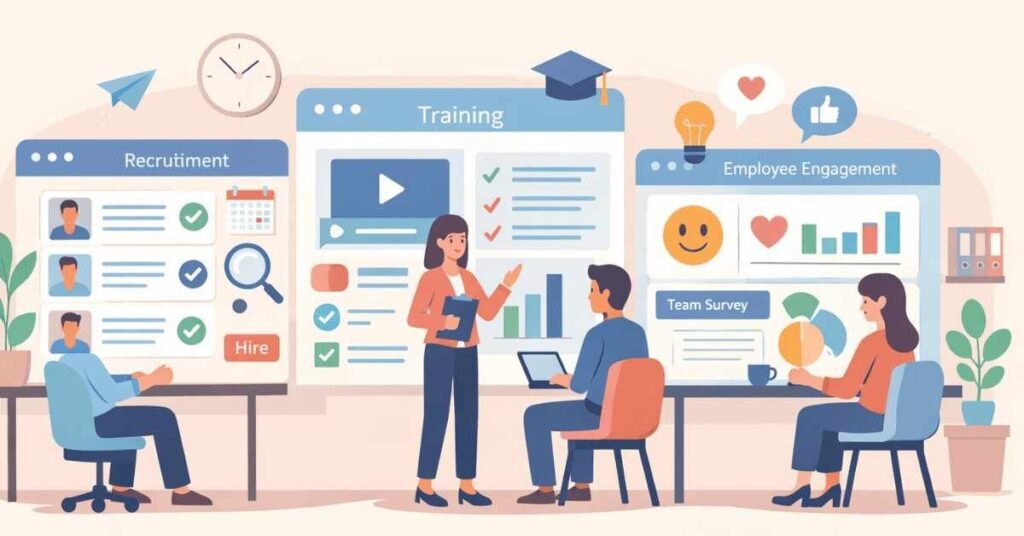
Think about any successful organization you know—whether it’s a tech giant like Infosys, a startup unicorn, or even your local favorite company. Behind every thriving business stands a strong Human Resources team making sure the right people are hired, developed, and retained. If you’ve ever wondered how to build a meaningful career helping organizations grow while shaping employee experiences, you’re in the right place.
Human Resources isn’t just about hiring and firing anymore. Today’s HR professionals are strategic partners who use data analytics, understand employment laws, design learning programs, and even leverage technology to make workplaces better. With India’s corporate sector expanding rapidly and companies recognizing that their people are their greatest asset, HR careers offer stability, growth, and the satisfaction of making real impact.
This comprehensive guide walks you through everything you need to know about building an HR career in India—from entry-level positions to senior leadership roles, certifications that matter, realistic salary expectations, and the skills that will set you apart.
Why Choose an HR Career in 2026?
The human resources field in India is experiencing remarkable growth. Companies across sectors—from IT and e-commerce to manufacturing and healthcare—are investing heavily in their HR functions. Here’s why HR makes sense as a career choice right now:
Job Security and Demand: Unlike some functions that face outsourcing risks, HR requires contextual understanding and relationship-building that necessitates organizational presence. Even during economic downturns, HR functions remain essential, though hiring volumes may fluctuate.
Multiple Career Paths: HR offers diverse specializations including talent acquisition, learning and development, compensation planning, HR technology, employee relations, and strategic business partnering. You can choose paths that align with your natural strengths—whether you’re analytical, people-oriented, tech-savvy, or strategically minded.
Competitive Compensation: HR professionals in India earn competitive salaries that increase significantly with experience and specialization. Entry-level HR executives start around ₹15,000-25,000 monthly, while experienced HR managers earn ₹12-22 lakhs annually, and senior leaders like CHROs command packages of ₹25-45 lakhs or more.
Impact and Purpose: Few careers offer the satisfaction of directly improving people’s work lives. HR professionals help candidates find their dream jobs, develop employee skills, resolve workplace conflicts, and create inclusive cultures where everyone can thrive.
Transferable Skills: The skills you build in HR—communication, negotiation, conflict resolution, data analysis, and strategic thinking—serve you well throughout your career and even in personal life.

Understanding Modern HR Roles
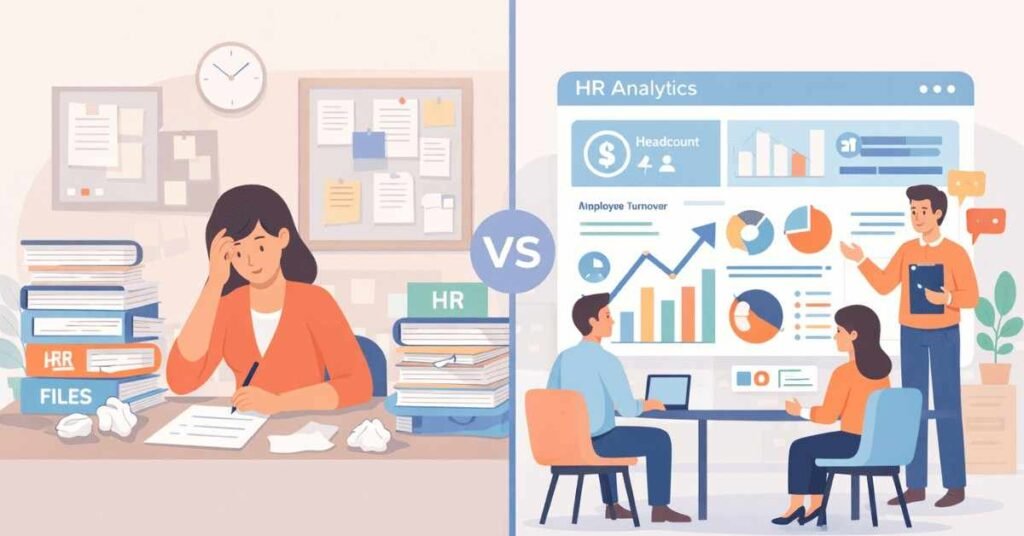
Today’s HR professionals wear many hats. Gone are the days when HR simply maintained employee files and processed payroll. Modern HR has evolved into a strategic function that drives business outcomes.
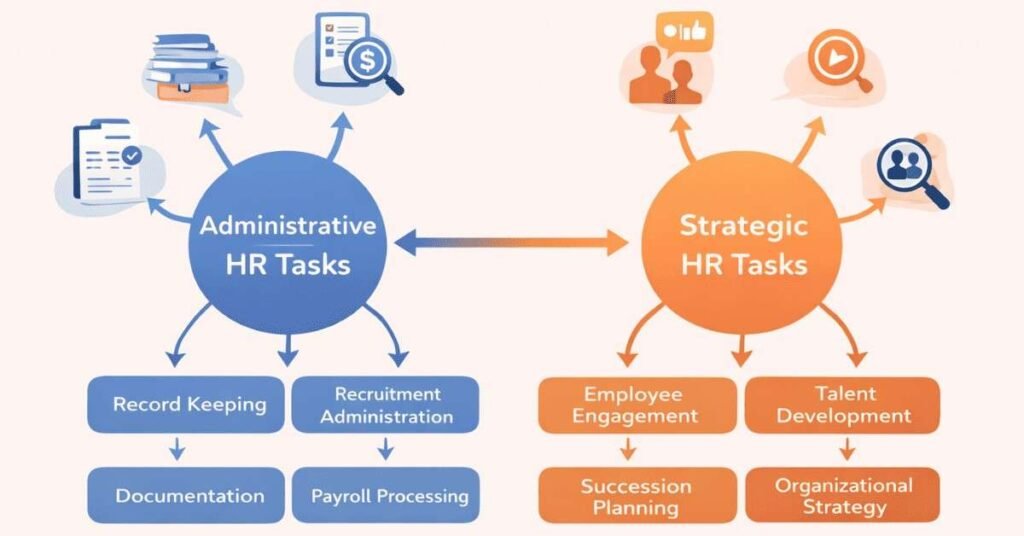
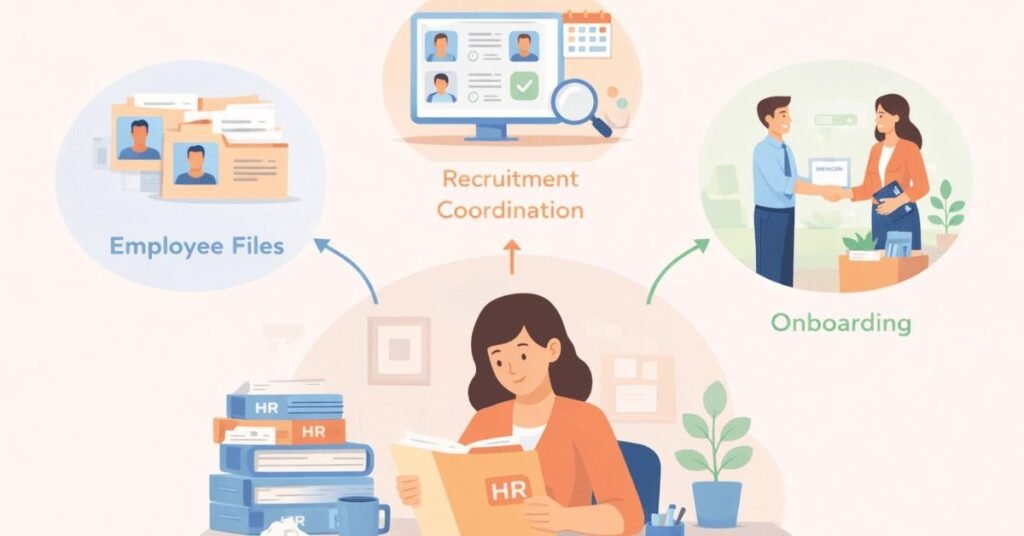
Administrative HR: This includes essential but tactical work like maintaining employee records, processing documentation, managing attendance and leave, handling payroll coordination, and ensuring regulatory compliance. While entry-level roles focus heavily on these responsibilities, automation is gradually reducing the time spent on pure administration.
Strategic HR: This involves workforce planning aligned with business goals, organizational design and restructuring, talent strategy and succession planning, culture building and change management, and using HR analytics to inform business decisions. Mid-level to senior HR professionals spend increasing time on strategic work.
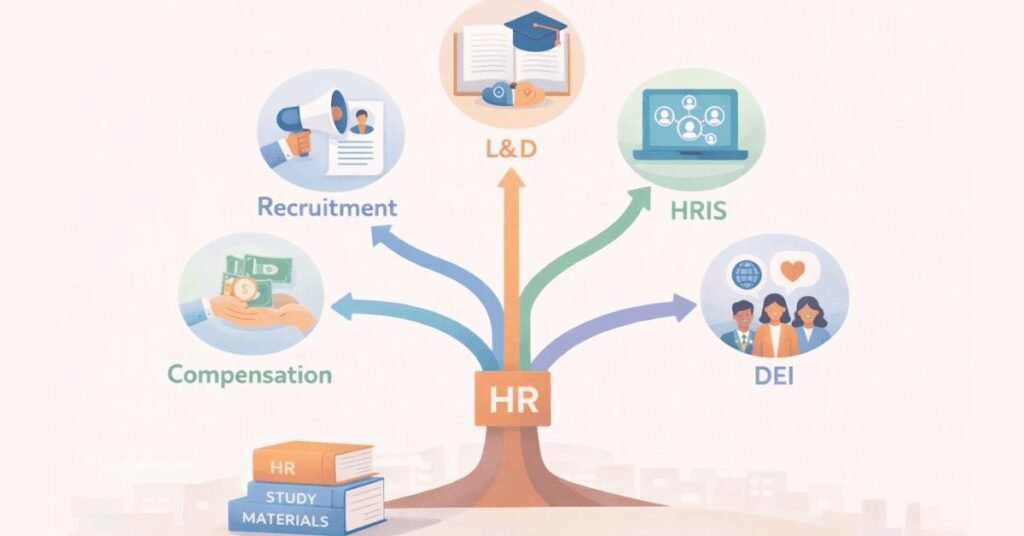
Specialized HR: As organizations grow, HR becomes more specialized with dedicated professionals focusing on specific areas. Talent acquisition teams handle all aspects of recruiting, learning and development specialists design training programs, compensation and benefits experts structure pay and reward systems, HRIS analysts manage HR technology platforms, employee relations specialists handle workplace conflicts and compliance, and DEI professionals build inclusive workplace cultures.
The path you choose depends on your interests, strengths, and career goals. Some professionals prefer staying specialized and becoming deep experts, while others pursue generalist roles that offer broader exposure across all HR functions.
HR Career Progression Timeline
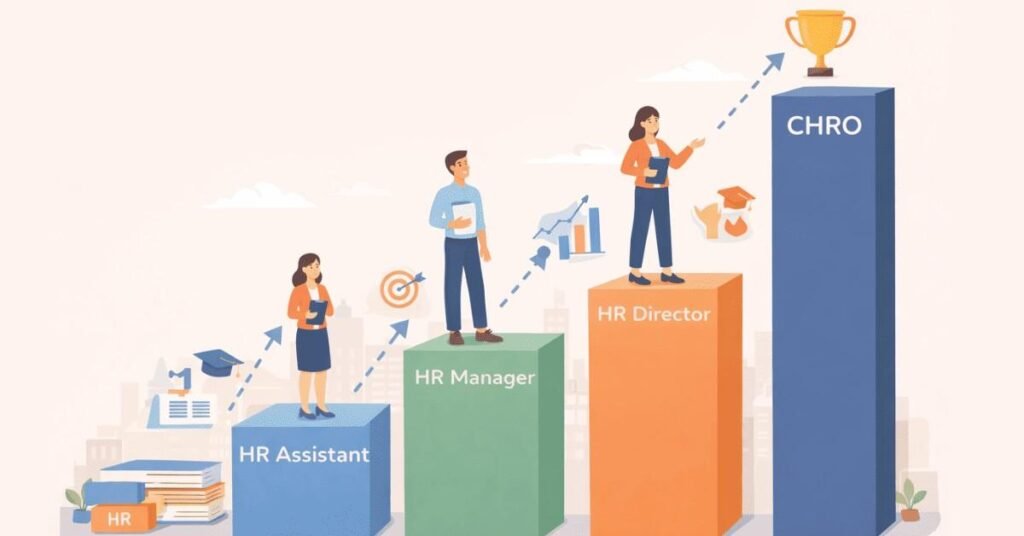
Understanding the typical career trajectory helps you set realistic expectations and plan your professional development. Here’s how HR careers typically progress in India:
Years 0-2 (Entry Level): You’ll likely start as an HR Assistant, HR Executive, or Junior Recruiter with a monthly salary of ₹15,000-25,000. At this stage, your focus is on learning HR processes, supporting senior team members, handling administrative tasks, and building foundational knowledge of employment laws and HR practices. Common roles include HR Assistant, Recruitment Coordinator, HR Executive, and Payroll Executive.
Years 2-5 (Early Career): With some experience, you’ll move into roles like HR Generalist, Senior Recruiter, or Specialist positions earning ₹6-10 lakhs annually. You’ll start managing specific HR functions independently, handling employee relations issues, leading small projects, and developing deeper expertise in your chosen area. Typical roles include HR Generalist, Talent Acquisition Specialist, L&D Coordinator, and Compensation Analyst.
Years 5-10 (Mid-Career): This is when many HR professionals move into HR Manager, HR Business Partner, or Senior Specialist roles with salaries of ₹12-22 lakhs annually. You’ll lead HR functions for departments or locations, partner with business leaders on strategy, manage teams of HR professionals, and drive significant HR initiatives. Common positions include HR Manager, HRBP, Talent Acquisition Manager, L&D Manager, and Senior Compensation Specialist.
Years 10-15 (Senior Level): At this stage, you might become Senior HR Manager, HR Head for a business unit, or Director-level positions earning ₹18-35 lakhs. You’ll set HR strategy for large divisions, influence senior leadership decisions, manage multiple HR teams, and drive organization-wide people initiatives. Roles include Senior HR Manager, HR Head, Director of Talent Acquisition, and Director of HR Operations.
Years 15+ (Leadership): The pinnacle roles include VP of HR or Chief Human Resources Officer (CHRO) with compensation packages of ₹25-45 lakhs or significantly more in large organizations. You’ll shape overall people strategy, serve on executive leadership teams, represent the employee perspective in business decisions, and build the organization’s talent and culture. These are the ultimate HR leadership positions.
This timeline is approximate—exceptional performers advance faster, while career breaks or industry changes may extend timelines. The key is continuous learning and demonstrating impact at each level.
Essential Skills for HR Success
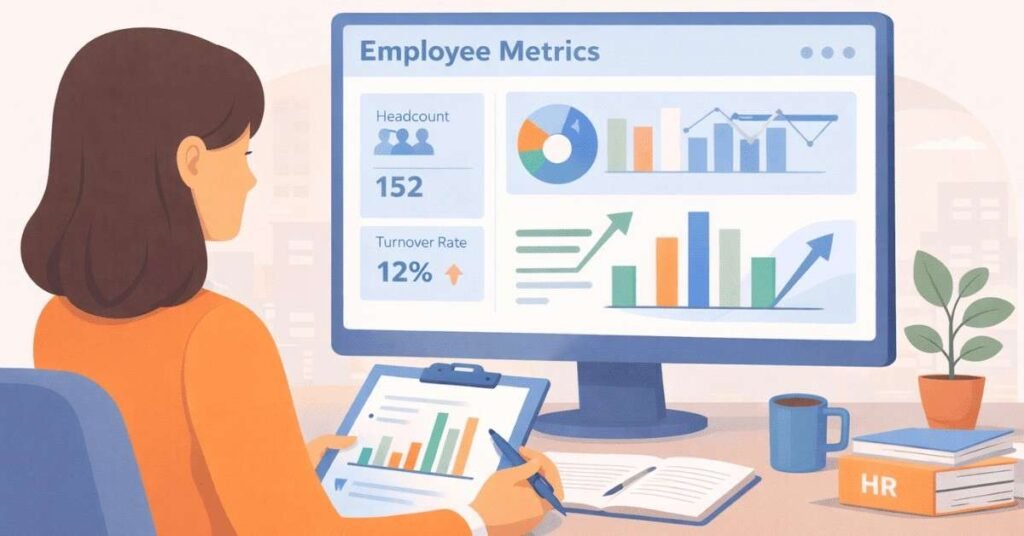
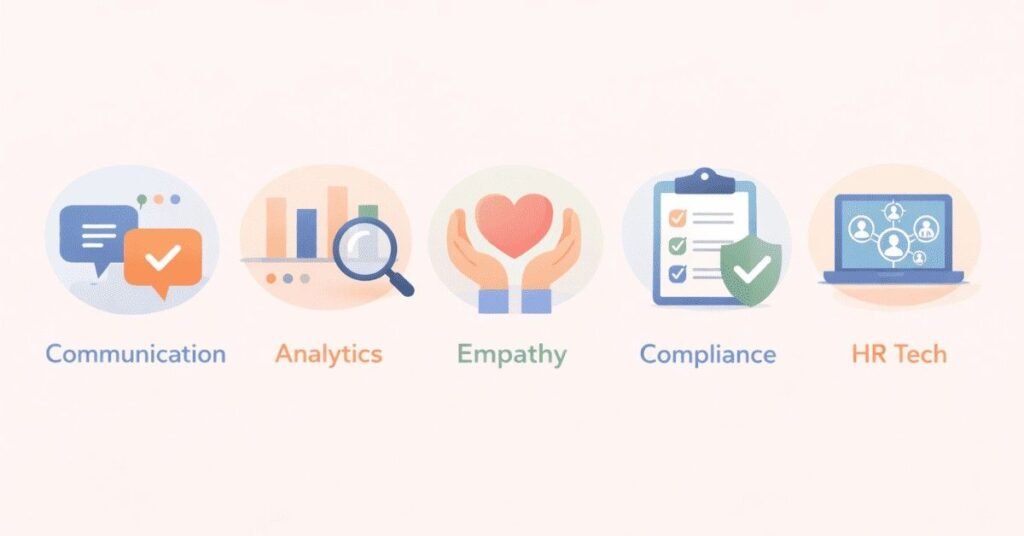
To thrive in HR, you’ll need a combination of soft skills, technical knowledge, and business acumen. Here’s what matters most:
Communication Skills: HR professionals must communicate clearly with everyone from entry-level employees to C-suite executives. You’ll need to write clear policies and emails, deliver presentations to large groups, have difficult conversations with empathy, and actively listen to understand people’s concerns. Strong communication is perhaps the single most important HR skill.
Interpersonal and Emotional Intelligence: HR deals with people at their best and worst moments. You need the ability to build trust quickly with diverse individuals, remain neutral in conflicts, show empathy while maintaining professional boundaries, read unspoken emotional cues, and navigate office politics wisely.
Analytical and Data Skills: Modern HR is increasingly data-driven. Comfort with Excel for analysis and reporting, understanding HR metrics like turnover rates and time-to-fill, basic knowledge of statistics to spot trends, and familiarity with data visualization tools become increasingly important as you advance.
Business Acumen: Especially for HRBP and senior roles, you need to understand how businesses make money, how your industry works and its competitive dynamics, basic financial metrics and business operations, and how HR decisions impact business outcomes. This business understanding separates tactical HR practitioners from strategic partners.
Legal and Compliance Knowledge: HR must ensure organizations follow laws and regulations including labor laws (Industrial Disputes Act, Shops and Establishments Act), employment regulations (PF, ESI, Gratuity, minimum wages), workplace safety requirements, and anti-discrimination and harassment laws.
Technology Proficiency: HR increasingly relies on technology tools including HRIS platforms (SAP SuccessFactors, Workday, Zoho People, Darwinbox), applicant tracking systems (ATS) for recruitment, learning management systems (LMS), Microsoft Office especially Excel, and increasingly familiarity with HR analytics tools.
Project Management: HR professionals constantly manage initiatives like implementing new performance management systems, rolling out company-wide training programs, managing organizational restructuring, and conducting engagement surveys. Basic project management skills help you deliver these successfully.
The good news is that you don’t need all these skills on day one. Build them progressively through formal education, on-the-job experience, certifications, and continuous learning.
HR Education Pathways
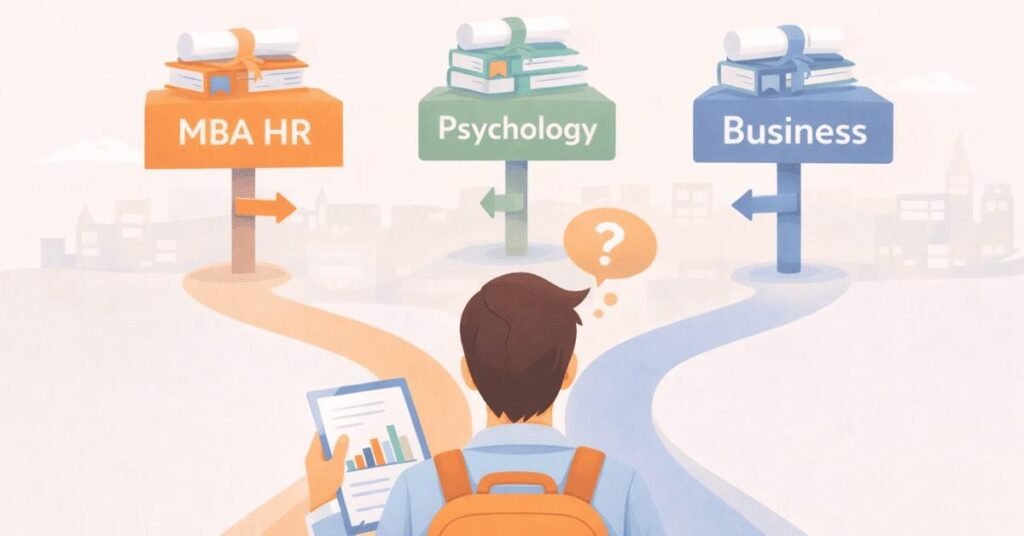
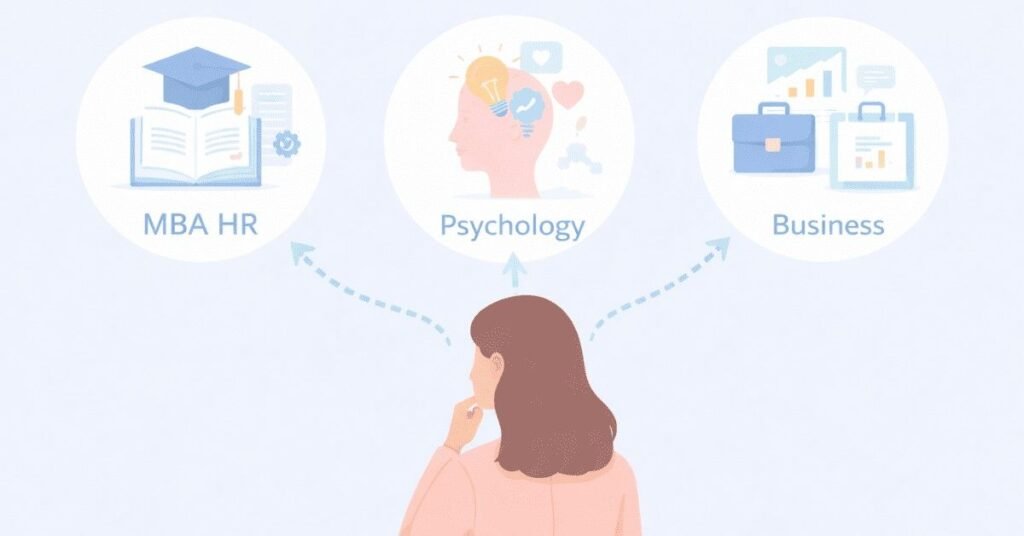
There’s no single “correct” educational background for HR. Successful HR professionals come from various academic paths:
Undergraduate Degrees: Many HR professionals start with a BBA or MBA in HR, which provides dedicated HR coursework, exposure to business fundamentals, and often internship opportunities. Others come from BA in Psychology or Sociology, which develops understanding of human behavior and research methods. Some enter from any bachelor’s degree (Engineering, Commerce, Arts) and transition into HR through specialized courses or entry-level roles.
Postgraduate Education: An MBA in HR/HRM from tier-1 institutes commands higher starting salaries (₹30,000-40,000 monthly for freshers) and faster career progression. These programs offer comprehensive HR curriculum, strong industry connections and placement support, networking with peers and alumni, and credibility for quicker advancement. Tier-1 institutes include XLRI, TISS, MDI, SCMHRD, and IIMs.
Professional Certifications: Certifications demonstrate commitment and expertise. SHRM-CP (Certified Professional) costs $335-510 depending on membership and timing, covers behavioral competencies and technical knowledge, and is recognized globally including in India. PHR (Professional in Human Resources) from HRCI costs $395 plus $100 application fee, focuses on technical and operational aspects of HR, and is also internationally recognized. Other valuable certifications include CIPD from UK (for international HR careers), specialized certificates in talent acquisition or compensation, and Indian certifications from NIPM or other professional bodies.
Online Learning: Platforms like Coursera, LinkedIn Learning, and Udemy offer flexible, affordable HR courses. Many working professionals upskill through online programs while maintaining their jobs.
Practical Experience Matters Most: Ultimately, practical experience often matters more than degrees alone. Internships during college, project work solving real HR problems, volunteer work managing people or events, and even part-time jobs in customer service all build relevant skills.
Major HR Specializations
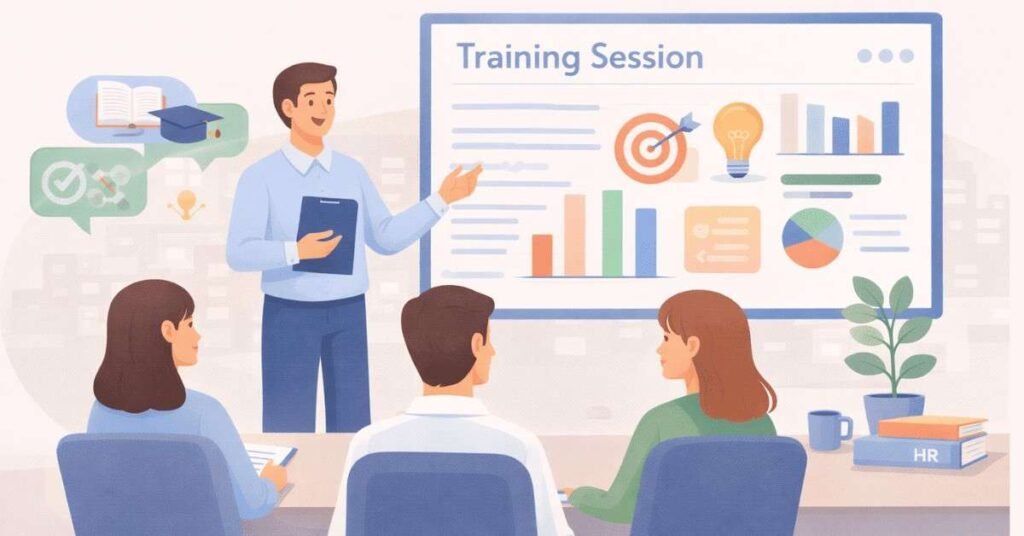
As you progress in your HR career, you’ll likely specialize in one or more areas. Here’s an overview of the major HR specializations available:
Talent Acquisition and Recruitment
Talent acquisition professionals are responsible for finding, attracting, and hiring the best candidates for their organizations. This specialization involves sourcing candidates through job boards, social media, referrals, and networking, screening resumes and conducting initial assessments, coordinating and conducting interviews, managing candidate experience throughout the hiring process, and negotiating offers and closing candidates.
In India, talent acquisition specialists earn an average of ₹20.6 lakhs annually, with salaries ranging from ₹15 lakhs to ₹50 lakhs based on experience and company. Talent Acquisition Leads earn around ₹15.6 lakhs, while Heads of Talent Acquisition in high-growth companies can earn ₹25-45 lakhs.
This specialization suits people who enjoy networking and relationship-building, can sell opportunities persuasively, work well under pressure with hiring targets, and understand various roles across different functions.
Learning and Development (L&D)
L&D professionals focus on building employee capabilities and organizational effectiveness through identifying training needs across the organization, designing learning programs and curricula, delivering training sessions or coordinating external trainers, implementing learning management systems (LMS), measuring training effectiveness and ROI, and developing leadership development programs.
L&D Managers in India typically earn ₹13 lakhs annually, with growth potential as you move into senior roles. This field attracts those who are passionate about teaching and developing others, can design engaging learning experiences, understand adult learning principles, enjoy measuring impact through data, and can balance strategic planning with hands-on delivery.

Compensation and Benefits (C&B)
Compensation specialists design and manage pay structures and benefits programs through conducting salary benchmarking and market research, designing salary structures and pay grades, managing benefits programs (health insurance, leave policies, retirement plans), handling equity compensation and stock options in startups, ensuring pay equity and compliance with regulations, and conducting compensation analysis and reporting.
Compensation and Benefits Managers earn around ₹14-20 lakhs annually in India. This specialization requires strong analytical and Excel skills, attention to detail and accuracy, understanding of financial concepts, knowledge of labor laws and compliance requirements, and discretion in handling sensitive compensation data.
HR Information Systems (HRIS)
HRIS professionals manage HR technology platforms and data through implementing and configuring HRIS systems (Workday, SAP SuccessFactors, Zoho, Darwinbox), managing HR data integrity and security, creating reports and dashboards for HR metrics, integrating HR systems with payroll and other platforms, training HR teams on system usage, and troubleshooting technical issues.
HR Technology Analysts in India earn an average of ₹13.6 lakhs, ranging from ₹7.4 lakhs to ₹80.6 lakhs depending on experience and company. Those with broader HR Technology skills earn around ₹25.8 lakhs. This field suits technically-minded individuals who can bridge HR and IT, are comfortable with databases and reporting, can learn new systems quickly, and have strong problem-solving abilities.
Employee Relations and Compliance
Employee Relations specialists handle workplace relationships, conflicts, and legal compliance by managing employee grievances and complaints, conducting workplace investigations, handling disciplinary actions and terminations, ensuring compliance with labor laws and regulations, managing union relations in unionized environments, developing and implementing HR policies, and maintaining positive employee relations climate.
HR Compliance professionals earn around ₹17.8-24.7 lakhs annually in India. This specialization requires strong interpersonal skills and impartiality, thorough knowledge of employment laws, ability to handle difficult conversations, investigation and documentation skills, and emotional resilience to handle workplace conflicts.
HR Business Partner (HRBP)
HRBPs serve as strategic partners to business leaders, aligning HR strategy with business goals through partnering with business unit leaders on people strategy, providing guidance on organizational design and restructuring, managing change management initiatives, advising on talent and succession planning, using HR data to solve business problems, and balancing employee advocacy with business needs.
HRBPs in India earn ₹12-22 lakhs on average, reflecting the strategic value they create. Many CHROs built their careers through HRBP roles that developed comprehensive business acumen. This role suits those with strong business understanding beyond HR, ability to influence senior leaders, strategic thinking and problem-solving skills, relationship-building across all levels, and comfort with ambiguity and complexity.
People Analytics
People Analytics professionals use data to inform HR decisions and strategy by analyzing workforce metrics (turnover, engagement, performance, diversity), building predictive models for hiring, retention, and performance, creating dashboards and visualizations for HR insights, conducting employee surveys and analyzing results, presenting data-driven recommendations to leadership, and identifying trends and patterns in workforce data.
HR Data Analysts with 4-6 years of experience are in high demand, typically using tools like Power BI, Fusion HCM, Excel, and SQL. This emerging specialization attracts those who are analytical and enjoy working with data, can tell stories with data visualizations, have some programming knowledge (SQL, Python, R), understand statistical concepts, and can translate data insights into business recommendations.
Diversity, Equity, and Inclusion (DEI)
DEI specialists focus on building inclusive workplace cultures through developing and implementing DEI strategies, conducting unconscious bias and inclusion training, analyzing diversity metrics and setting goals, supporting employee resource groups (ERGs), advising leadership on inclusive practices, managing diversity recruiting initiatives, and measuring DEI program effectiveness.
While still an emerging field in India, Diversity and Inclusion Specialists earn around ₹12 lakhs, with senior DEI Directors and Chief Diversity Officers earning significantly more. This specialization requires passion for equity and social justice, change management and influence skills, cultural competence and empathy, data analysis to track diversity metrics, and ability to have difficult conversations about bias and privilege.
PART 2: MASTER GUIDE
HR Salary Guide: What Can You Earn?
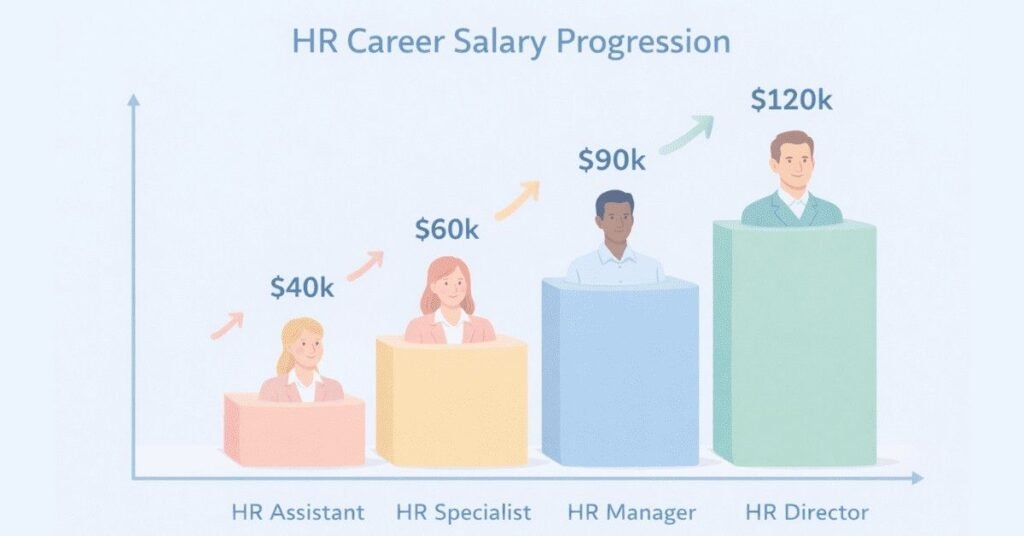
Understanding realistic salary expectations helps you plan your career and negotiate effectively. HR salaries in India vary significantly based on experience, specialization, location, company size, and industry. Here’s a comprehensive breakdown:
Entry-Level HR Salaries (0-2 Years)
Fresh graduates entering HR can expect starting salaries of ₹15,000-25,000 per month (₹1.8-3 lakhs annually) in smaller companies or tier-2/3 cities. In metropolitan areas like Mumbai, Bangalore, Delhi NCR, and Pune, entry-level salaries range from ₹20,000-35,000 monthly (₹2.4-4.2 lakhs annually).
MBA graduates from tier-1 institutes command premium salaries of ₹30,000-40,000 monthly (₹3.6-4.8 lakhs annually), with top performers at premier institutes receiving offers of ₹6-8 lakhs annually. Positions at this level include HR Assistant, HR Executive, Recruitment Coordinator, Payroll Executive, and HR Trainee.
The key at this stage isn’t maximizing immediate salary but rather joining organizations that offer structured training, exposure to diverse HR functions, good mentorship from senior HR professionals, and opportunities for rapid learning and growth.
Mid-Career HR Salaries (2-7 Years)
With 2-5 years of experience, HR professionals typically earn ₹6-10 lakhs annually as HR Generalists, Talent Acquisition Specialists, L&D Coordinators, or HR Officers. Those with 5-7 years of experience and proven track records move into manager-level roles earning ₹12-22 lakhs annually.
Specialized roles often command premiums during this phase. Talent Acquisition specialists with strong sourcing skills earn ₹15-25 lakhs, especially in high-growth tech companies and startups. HRIS Analysts and HR Technology specialists earn ₹7.4-15 lakhs as they develop technical expertise. Compensation and Benefits Analysts earn ₹8-14 lakhs with strong analytical capabilities.
At this career stage, your specialization choice significantly impacts earning potential. Tech-focused roles (HRIS, People Analytics) and business-critical functions (Talent Acquisition, Compensation) generally pay more than generalist or administrative positions.
Senior HR Salaries (7-15 Years)
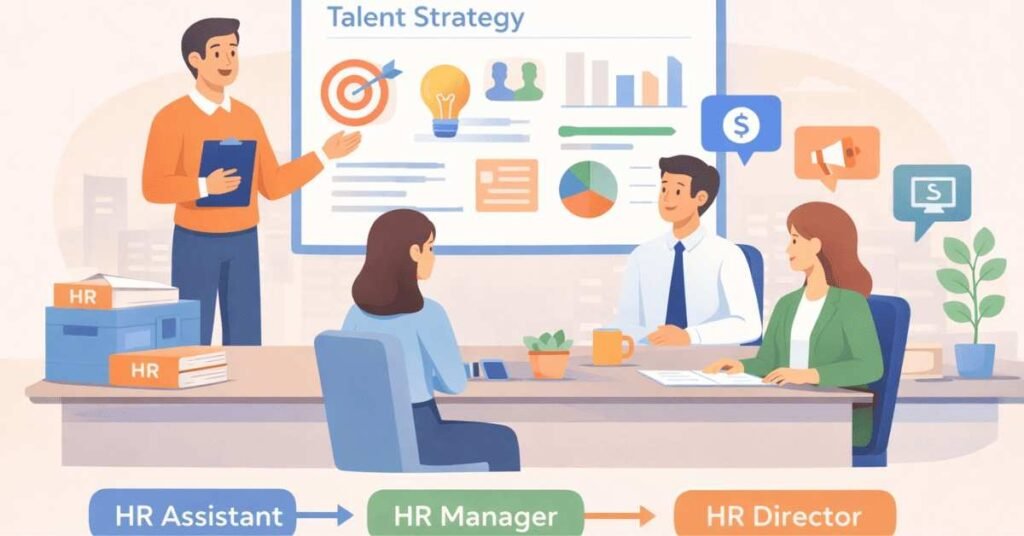
Senior HR professionals with 7-12 years of experience earn ₹15-30 lakhs as HR Managers, Senior HRBPs, or function heads. Those progressing to Director level with 12-15 years typically earn ₹22-40 lakhs annually.
Specific senior roles show significant earning potential. Talent Acquisition Leads and Heads earn ₹25-50+ lakhs in competitive markets. HR Technology leads with expertise in platforms like Workday or SAP SuccessFactors earn ₹30-80+ lakhs. Senior L&D Managers overseeing enterprise-wide learning programs earn ₹18-28 lakhs. HR Compliance and Employee Relations Heads earn ₹18-30 lakhs.
At senior levels, your industry and company size matter enormously. HR Directors at large MNCs or successful startups earn significantly more than counterparts at mid-sized Indian companies, even with similar responsibilities.
Executive HR Salaries (15+ Years)
VPs of HR and CHROs with 15+ years of experience earn ₹25-45 lakhs in mid-to-large companies, with top-tier organizations and unicorns paying ₹50 lakhs to over ₹1 crore for exceptional leaders. At this level, compensation packages often include variable pay tied to business performance, stock options or equity (especially in startups), retention bonuses and long-term incentives, comprehensive benefits including car allowances and club memberships, and sometimes board seats or advisory roles.
The jump to executive compensation reflects the strategic importance of these roles. CHROs directly influence organizational culture, drive talent strategy affecting thousands of employees, manage significant HR budgets, and shape workforce decisions that impact business outcomes.
Location Impact on Salaries
Geography significantly affects HR salaries in India. Metropolitan cities like Bangalore, Mumbai, Gurgaon, Pune, and Hyderabad offer 30-50% higher salaries than tier-2 cities. However, cost of living differences often offset higher salaries in metros.
Remote work has begun changing this dynamic. Some companies now offer location-agnostic pay, allowing HR professionals in smaller cities to earn metro-equivalent salaries while enjoying lower living costs. This trend particularly benefits specialized roles like HRIS Analysts and People Analytics professionals whose work doesn’t require physical presence.
Industry Variations
Industry choice impacts earning potential significantly. Technology companies and startups generally pay 20-40% more than traditional sectors, often including equity compensation that can multiply your total earnings if the company succeeds. Consulting firms offer competitive base salaries plus performance bonuses that can add 15-30% to total compensation. Financial services and banking provide stable, above-average salaries with structured progression.
Manufacturing and FMCG companies offer moderate salaries but excellent job stability and strong learning opportunities. Non-profits and education sectors typically pay 30-50% less than corporate sector but offer meaningful work and often better work-life balance.
HR Certifications That Matter
Professional certifications validate your expertise, increase your marketability, and often lead to salary increases of 15-25%. Here are the most valuable certifications for HR professionals in India:
SHRM Certifications
The Society for Human Resource Management (SHRM) offers globally recognized certifications that are increasingly valued in India.
SHRM-CP (Certified Professional) targets early-to-mid career HR professionals with 0-5 years of experience. The exam costs $335 for SHRM members ($495 for non-members), with Indian pricing sometimes higher due to currency conversion. The exam covers behavioral competencies (leadership, relationship management, consultation, business acumen) and technical knowledge areas (people, organization, workplace).
Eligibility requires either a bachelor’s degree plus one year HR experience, or four years HR experience without a degree. The exam includes 160 questions over 4 hours, mixing situational judgment and knowledge-based questions. Study materials cost approximately $300-400, including learning system access, practice tests, and study guides.
SHRM-SCP (Senior Certified Professional) targets experienced HR professionals who develop strategies and lead initiatives. The exam and preparation costs are similar to SHRM-CP, but the content focuses more on strategic decision-making and organizational leadership. Eligibility requires higher experience levels—typically a bachelor’s degree plus 4 years HR experience, or master’s degree plus 3 years experience.
SHRM certifications require recertification every three years through continuing education, ensuring professionals stay current with evolving HR practices.

HRCI Certifications
The HR Certification Institute (HRCI) offers certifications that have been industry standards for over 40 years.
PHR (Professional in Human Resources) focuses on technical and operational aspects of HR management including business management, talent planning and acquisition, learning and development, total rewards, and employee and labor relations. The exam costs $395 for HRCI members ($495 for non-members), plus a $100 application fee.[hrci]
Eligibility requires at least one year of professional-level HR experience with a master’s degree, two years with a bachelor’s degree, or four years with a high school diploma. The exam includes 150 scored questions (plus 25 pretest questions) over 3 hours
SPHR (Senior Professional in Human Resources) targets senior-level HR professionals who develop strategies, policies, and initiatives. Requirements and costs are similar to PHR but require more extensive experience—typically 4-7 years depending on education level.
GPHR (Global Professional in Human Resources) focuses on international HR management for professionals working across borders. This certification is valuable if you’re targeting multinational companies or global HR roles.
Other Valuable Certifications
CIPD (Chartered Institute of Personnel and Development) from the UK is particularly valuable for HR professionals targeting international careers or MNCs with British connections. Various levels are available from foundation to chartered membership.
ATD (Association for Talent Development) certifications like CPTD (Certified Professional in Talent Development) are excellent for L&D specialists. These focus specifically on training design, delivery, and development program management.
WorldatWork certifications are ideal for compensation and benefits specialists, covering compensation management, benefits programs, work-life effectiveness, and total rewards strategy.
Certification ROI: Most HR professionals report 15-25% salary increases after earning major certifications like SHRM-CP or PHR. Beyond salary, certifications enhance your resume for job applications, demonstrate commitment to the profession, provide structured learning of best practices, offer networking opportunities through certification communities, and build confidence in your HR knowledge and decision-making
Choosing the Right Certification
For early-career professionals (0-5 years), SHRM-CP or PHR provide strong foundations in HR principles recognized globally. Mid-career professionals (5-10 years) should consider SHRM-SCP or SPHR to validate strategic capabilities, or specialized certifications aligned with their focus area (ATD for L&D, WorldatWork for compensation).
Consider certifications that align with your career goals. If you’re targeting global roles or MNCs, choose SHRM or HRCI certifications with international recognition. If you’re focusing on a specific specialization, specialized certifications often provide deeper expertise than generalist credentials.
Building Your HR Career: Practical Steps
Understanding HR careers conceptually is one thing; actually building one requires concrete action. Here’s your roadmap:
For Students and Fresh Graduates
During College: Pursue internships in HR departments, even unpaid ones, to gain practical experience that makes your resume stand out. Join HR clubs or student chapters of professional organizations like SHRM to attend events and network. Take on leadership roles in college clubs, events, or student government—managing volunteers develops skills directly transferable to HR. Consider HR certifications like SHRM-CP preparation during your final year if you have relevant project work or internships.
Choosing Your First Job: Prioritize learning over salary in your first role. Look for organizations offering structured HR training programs, exposure to multiple HR functions rather than narrow roles, good mentors who will invest in your development, and reputable brand names that strengthen your resume.
Large companies with formal HR training programs (like MNCs, major Indian conglomerates, or established startups) often provide better foundational training than small businesses where you might handle everything but learn less systematically.
Building Foundations: Your first 2-3 years should focus on understanding end-to-end HR processes, learning employment laws and compliance requirements, developing proficiency in HRIS and HR tools, observing how senior HR professionals handle complex situations, and building relationships across departments to understand the business.
For Career Changers
Many successful HR professionals started in other fields. If you’re considering an HR transition, leverage transferable skills from your current role—customer service experience translates to employee relations, sales skills apply to recruiting and employer branding, teaching or training background fits L&D roles perfectly, and analytical roles prepare you for people analytics or compensation.
Consider transitioning through internal moves within your current organization. Companies often prefer developing internal candidates who already understand their culture and business. Alternatively, start with HR-adjacent roles like recruitment coordinator or HR assistant that are more accessible for career changers, then progress into core HR functions.
Invest in education through short-term HR certificates or diploma programs from institutions like XLRI, TISS, or online platforms that provide structured learning without requiring a full MBA. Network actively at SHRM events, LinkedIn HR communities, and local HR meetups to learn from practitioners and discover opportunities.
Developing Key Skills
Communication Excellence: Practice clear, professional writing through email correspondence and documentation. Develop presentation skills by volunteering to present at team meetings or conferences. Learn to have difficult conversations—practice delivering feedback, handling complaints, and managing conflicts with empathy but directness.
Analytical Capabilities: Build Excel proficiency beyond basic formulas—learn pivot tables, VLOOKUP, data analysis tools, and visualization. Understand key HR metrics like turnover rate, time-to-fill, cost-per-hire, and training ROI. Experiment with data visualization tools like Tableau or Power BI that are increasingly valued in HR.
Business Acumen: Read business news to understand how companies operate and compete. Learn to read financial statements—basic understanding of P&L and balance sheets helps you speak the language of business leaders. Understand your industry’s dynamics, trends, and competitive landscape.
Technology Adoption: Get hands-on experience with popular HRIS platforms. Many offer free trials or demo environments where you can explore features. Learn applicant tracking systems used in recruiting. Stay current with HR technology trends like AI in recruiting, chatbots for employee queries, and people analytics platforms.
Networking and Professional Community
HR is a relationship-driven field where your network significantly impacts your career trajectory. Join professional associations like SHRM India, NIPM chapters, or regional HR networks that organize regular events. Attend HR conferences, workshops, and seminars to learn from industry leaders and meet peers facing similar challenges.
Build your LinkedIn presence by sharing insights about HR practices, commenting thoughtfully on HR content, and connecting with HR professionals in your industry and region. Find mentors who can guide your career decisions, introduce you to opportunities, and provide candid feedback on your development areas.
Participate in HR online communities through LinkedIn groups focused on HR topics, Reddit’s r/humanresources community, and specialized forums for your HR focus area. These communities offer advice, answer questions, and share job opportunities.
Continuous Learning
HR evolves constantly with changing laws, technologies, and workplace trends. Successful HR professionals commit to lifelong learning through reading HR publications and blogs like SHRM’s resources, People Matters, and HR Katha for Indian context. Take online courses on platforms like Coursera, LinkedIn Learning, and Udemy to build specific skills.
Attend workshops and webinars on emerging topics like remote work management, DEI best practices, and HR analytics. Consider advanced education like specialized HR certifications or even executive education programs from business schools as you advance.
HR Across Different Industries
The industry you choose shapes your HR experience significantly. Each sector has unique characteristics, challenges, and opportunities:
Technology and Startups
Tech companies and startups offer the highest HR salaries and equity compensation with significant upside potential. The work environment is fast-paced with rapid growth requiring constant hiring and scaling. You’ll gain exposure to modern HR practices and cutting-edge HR technology.
Challenges include high-pressure environments with aggressive growth targets, managing rapid organizational changes and potential layoffs during downturns, and relatively less structured HR processes compared to established companies. This sector suits those who thrive in dynamic environments, want to build HR functions from scratch, value innovation and experimentation, and are comfortable with ambiguity and change.
IT Services and Consulting
Companies like TCS, Infosys, Wipro, Cognizant, and consulting firms offer very high hiring volumes providing extensive recruiting experience and structured HR processes and training programs. There are clear career paths with defined progression.The challenges include high attrition requiring constant replacement hiring, project-based staffing creating workforce planning complexity, and work-life balance concerns during peak hiring or project cycles. This industry works well for early-career professionals seeking structured learning, those interested in talent acquisition at scale, and professionals valuing process and systems.
Banking and Financial Services
Banks and financial institutions provide above-average salaries with stability, strong focus on compliance and regulatory knowledge, and comprehensive benefits packages. The career progression is structured and predictable.
Challenges include conservative cultures with slower adoption of innovative practices, heavy compliance burden with strict regulations, and often formal work environments with traditional expectations. This sector suits risk-averse professionals valuing job security, detail-oriented individuals who enjoy compliance and process, and those interested in compensation and benefits specialization.
Healthcare and Pharmaceuticals
Healthcare organizations provide meaningful work improving patient care through people management, growing sector with increasing healthcare demand, and unique challenges like shift work management and clinical staff.
Challenges include complex compliance with healthcare regulations, need to balance clinical and non-clinical workforce needs, and often 24/7 operations requiring flexible HR support. This sector works for those passionate about healthcare’s social impact, professionals interested in specialized workforce management, and individuals comfortable with compliance-heavy environments.
E-commerce and Retail
E-commerce and retail offer exposure to large-scale operations and logistics, high-volume hiring especially seasonal, and mix of corporate and frontline employee populations.
Challenges include managing high employee turnover in frontline roles, significant seasonal variations in hiring needs, and need to support distributed workforce across locations. This industry suits those interested in operations and logistics, professionals who enjoy solving high-volume challenges, and individuals comfortable with fast-paced retail environments.
Future of HR: Emerging Trends
The HR profession is evolving rapidly. Understanding future trends helps you prepare for tomorrow’s opportunities:
Technology and Automation
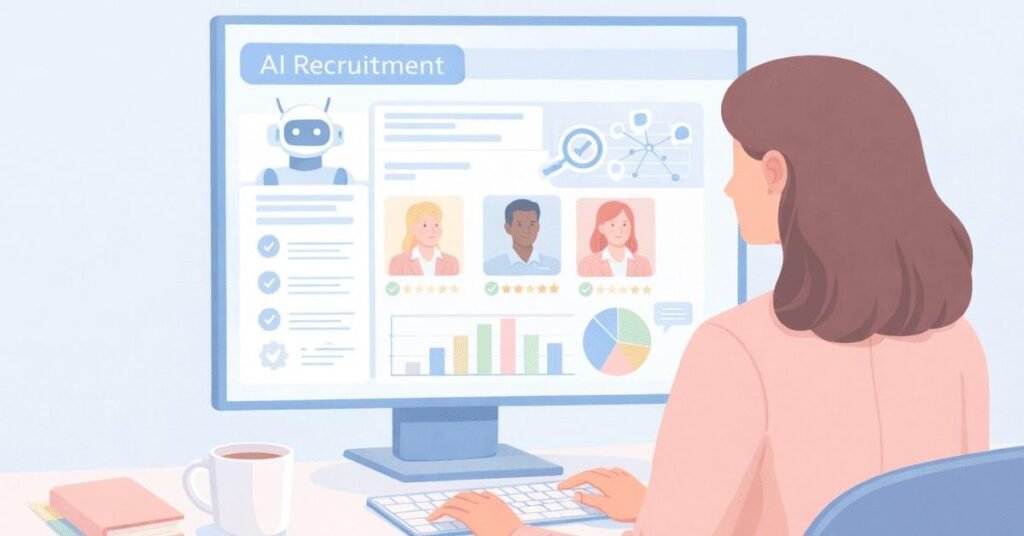
AI and machine learning are automating resume screening and candidate matching, answering routine employee queries through chatbots, predicting employee flight risk through analytics, and personalizing learning recommendations. This automation frees HR professionals to focus on strategic work requiring human judgment—complex problem-solving, relationship building, change management, and creative solutions to people challenges.
HR professionals need to embrace technology rather than fear it. Develop digital literacy with HR tech platforms, learn to work alongside AI tools effectively, focus on building skills machines can’t replicate, and understand data and analytics to leverage AI insights.
Employee Experience Focus
Organizations increasingly recognize that employee experience directly impacts business results. HR professionals are designing end-to-end employee journeys from candidate to alumni, creating moments that matter throughout the employee lifecycle, personalizing experiences based on employee needs and preferences, and measuring and improving employee experience continuously.
This shift elevates HR from administrative function to experience architects, requiring design thinking skills, empathy and understanding of diverse employee needs, ability to map journeys and identify pain points, and creativity in designing engaging experiences.
Remote and Hybrid Work
Remote work has permanently changed how organizations operate. HR must now manage distributed teams across locations, maintain culture and connection without physical proximity, design effective virtual onboarding and training, and rethink performance management for remote contexts.
HR professionals who develop expertise in remote work best practices, virtual engagement strategies, distributed team management, and technology enabling remote collaboration will have competitive advantages in the evolving workplace.
Wellbeing and Mental Health
Organizations increasingly recognize holistic employee wellbeing as business critical. HR professionals are implementing mental health support programs, creating cultures where seeking help is destigmatized, providing resources for physical, mental, and financial wellness, and training managers to recognize and support struggling employees.
This trend creates opportunities for HR professionals passionate about employee wellbeing to specialize in wellness program design and implementation.
DEI as Business Imperative
Diversity, equity, and inclusion have moved from nice-to-have to business imperative. Companies recognize diverse teams drive innovation and better decisions. HR professionals are embedding DEI into all people processes, measuring and holding leaders accountable for diversity goals, addressing systemic barriers to equity, and creating inclusive cultures where everyone can thrive.
DEI specialists with expertise in building inclusive cultures, measuring diversity impact, facilitating difficult conversations, and driving systemic change will be increasingly sought after.
Skills-Based Talent Management
Organizations are shifting from credential-based to skills-based approaches, focusing on what people can do rather than degrees or job titles. HR professionals are building skills taxonomies and inventories, matching people to opportunities based on skills, creating internal mobility based on skill development, and helping employees understand and develop their skills.
This shift requires HR professionals to understand workforce skills, work with learning teams to build capability, and use technology to track and match skills.
Common Questions About HR Careers
Do I need an MBA to succeed in HR?
No. While MBAs from good institutes provide advantages like higher starting salaries, structured learning, and strong networks, many successful HR leaders built careers without MBAs. Practical experience, professional certifications, and continuous learning can compensate for lack of formal degrees. However, an MBA may help break into HR at higher levels or in competitive markets.
Is HR a good career for introverts?
Yes, though some HR roles suit introverts better than others. Behind-the-scenes roles like HRIS, compensation analysis, HR policy development, and people analytics involve more independent work and data analysis than constant interaction. Even in roles requiring interaction, HR involves plenty of one-on-one conversations and small meetings where many introverts thrive, rather than constant large group facilitation.
Can I work remotely in HR?
Increasingly, yes. While some HR activities require in-person presence (conducting certain investigations, some aspects of employee relations, hands-on training delivery), many HR functions work well remotely including recruiting and talent acquisition, HRIS and HR technology management, compensation and benefits analysis, learning and development (designing and delivering virtual training), and HR analytics and reporting. Many organizations now offer hybrid arrangements where HR professionals work partly remote and partly on-site.
How do I choose between specializing and staying a generalist?
Both paths have merits. Specialists develop deep expertise in specific areas, often command higher salaries for that expertise, become go-to experts highly valued in their niche, and find opportunities in large organizations needing dedicated functions. Generalists maintain broad exposure across HR functions, have flexibility to pivot between different HR areas, better understand how HR functions interconnect, and suit smaller organizations needing versatile HR professionals.
Early in your career, exposure to multiple areas helps you discover your strengths and preferences. As you progress, natural specialization often occurs based on what energizes you and where you excel. You can always pivot—many HR leaders specialized mid-career then returned to generalist leadership roles.
Is HR stressful?
HR can be emotionally demanding. You handle difficult situations like terminations, investigations, and conflicts, manage confidential information creating stress, balance competing demands from employees and business, and sometimes face pressure during crises like restructuring.
However, stress levels vary significantly by role, organization, and how you manage boundaries. Many HR professionals find the work meaningful and rewarding despite challenges. Developing resilience, maintaining boundaries between work and personal life, building support networks of HR peers, and practicing self-care help manage stress effectively.
What’s the job security like in HR?
HR generally offers good job security. Every organization needs HR functions, though specific roles vary by company size. During downturns, organizations may reduce hiring (affecting recruiting roles) or delay training (impacting L&D), but core HR functions like payroll, compliance, and employee relations remain essential.
Strategic HR professionals who demonstrate clear business impact through metrics and outcomes, develop skills that are difficult to replace, and build strong relationships across the organization typically enjoy strong job security even during challenging times.
Your Next Steps
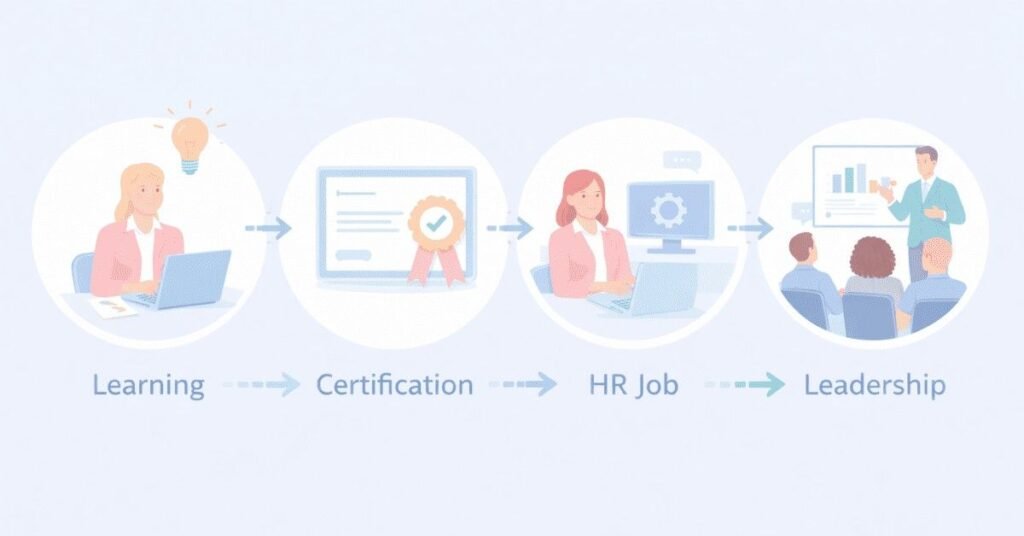
Building an HR career is a journey, not a destination. Whether you’re a student considering HR, a professional planning to enter the field, or an early-career HR practitioner looking to specialize, the path forward involves continuous learning, relationship building, and demonstrating impact.
Start by exploring the specialized topics in this career guide—each area of HR offers unique challenges and rewards. Assess your natural strengths and interests against different specializations. Connect with HR professionals in your network or LinkedIn to learn about their experiences. Take practical steps like pursuing relevant certifications, building key skills, and seeking opportunities to gain hands-on HR experience.
The HR profession in India is thriving, with organizations increasingly recognizing that their people are their most valuable asset. By investing in your HR knowledge and capabilities, you’re positioning yourself for a career that combines meaningful impact, continuous learning, intellectual challenge, and strong earning potential.
Your HR career starts now. What will your first step be?