
HRIS AND HR TECHNOLOGY CAREERS
Table of Contents
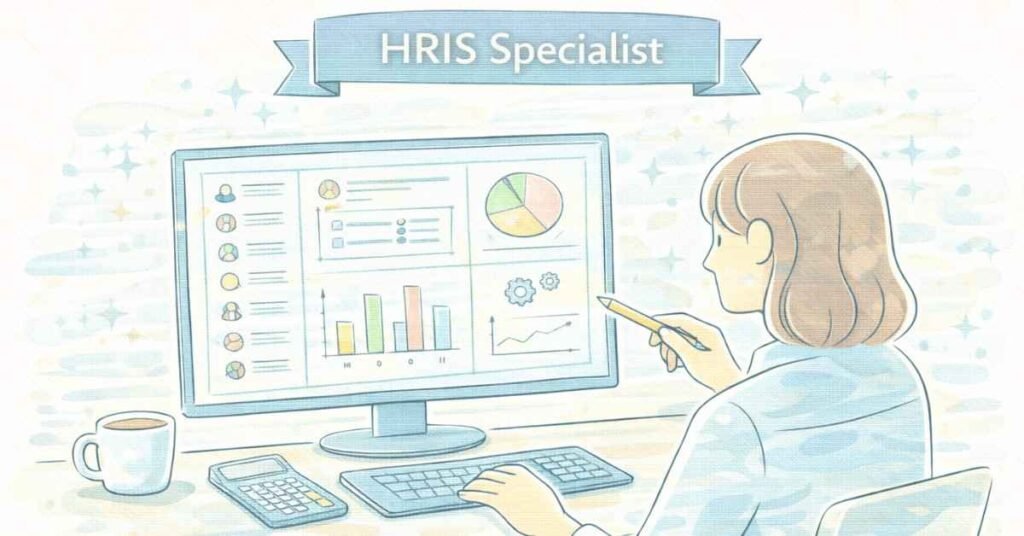
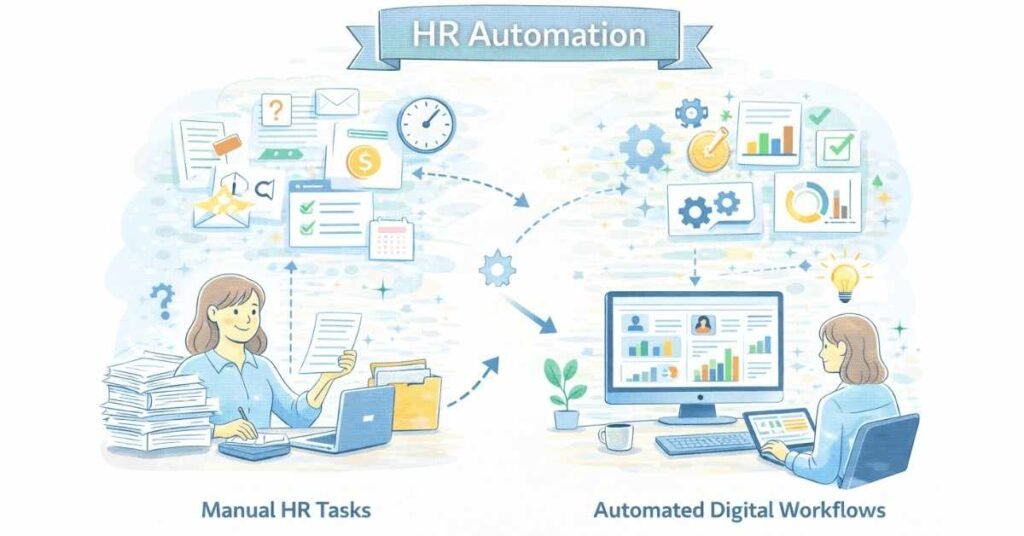
Imagine this scenario: An organization with 5,000 employees processes payroll manually using Excel spreadsheets. HR assistants spend entire weeks calculating salaries, updating employee records, and generating reports. Errors are common, compliance is risky, and strategic HR work gets neglected because everyone is drowning in administrative tasks. Then an HRIS implementation happens. Within months, payroll processing time drops from weeks to days. Employees access their information through self-service portals. HR analytics that once took days to compile now appear instantly on dashboards. The HR team transforms from paper-pushers to strategic partners.
Behind this transformation stands an HRIS professional who selected the right technology, configured it to organizational needs, managed the implementation, trained users, and continuously optimizes the system. If you’re someone who loves technology, enjoys solving complex puzzles, appreciates systematic problem-solving, and wants to enable HR effectiveness through digital solutions, HRIS might be your ideal career path.[6figr]
This comprehensive guide explores what HRIS professionals actually do, the unique blend of technical and HR knowledge required, realistic salary expectations in India (which are among the highest in HR), and how to build a successful career in this fast-growing, high-demand specialization.
What is HRIS?
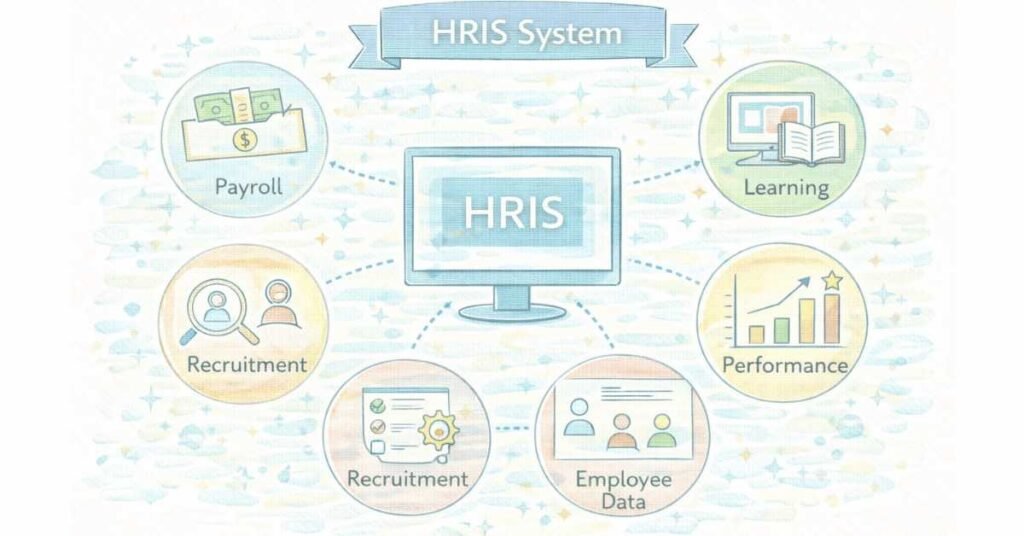
HRIS stands for Human Resources Information System—the technology platforms and databases that manage all HR data and automate HR processes. Modern HRIS platforms (also called HCM – Human Capital Management systems) handle virtually all HR functions including employee data management (demographics, job information, compensation), payroll processing and tax calculations, benefits administration and enrollment, time and attendance tracking, performance management processes, recruitment and applicant tracking, learning and development programs, succession planning and talent management, HR analytics and reporting, and employee self-service portals.
HRIS Professionals are the specialists who implement, configure, maintain, and optimize these systems. They bridge the gap between HR’s functional needs and IT’s technical capabilities, serving as translators who understand both worlds.
Think of HRIS professionals as the architects and engineers of HR’s digital infrastructure. Without them, HR departments would struggle with manual processes, lack data for decision-making, and spend countless hours on administrative work that technology could handle.
Why HRIS is Strategic and High-Value
HRIS might sound purely technical or administrative, but it’s actually strategically critical:
Operational Efficiency: HRIS automation saves thousands of hours of HR administrative work, allowing HR teams to focus on strategic activities rather than data entry and paperwork. In large organizations, effective HRIS can reduce HR headcount needs by 30-40% while improving service quality.
Data for Decisions: HRIS platforms centralize all people data, enabling analytics that drive better decisions—identifying turnover patterns, predicting flight risks, analyzing compensation trends, tracking diversity metrics, and measuring program effectiveness.
Compliance and Risk Management: HRIS ensures accurate record-keeping for legal compliance, automates statutory reporting, maintains audit trails of HR decisions and actions, and reduces errors that create legal exposure.
Employee Experience: Modern HRIS provides self-service capabilities where employees update their information, view payslips, apply for leaves, access learning resources, and manage benefits—all without HR intervention. This improves satisfaction while reducing HR workload.
Cost Impact: HRIS implementations often involve investments of ₹50 lakhs to ₹5 crores depending on organization size and system sophistication. Managing these investments effectively and ensuring ROI is critical business responsibility.
This strategic importance explains why HRIS professionals earn premium salaries—₹13.6 lakhs average, with experienced professionals earning ₹30-80+ lakhs annually. Organizations recognize that effective HRIS management directly impacts HR effectiveness, operational efficiency, and business results.
The HRIS Landscape in India
Understanding the Indian HRIS context helps you navigate career opportunities:
Technology Adoption: Indian organizations are rapidly digitizing HR, driven by growing workforce sizes, increasing regulatory complexity, desire for data-driven decision making, and competition for talent requiring modern HR experiences.
Large IT services companies, banks, MNCs, and progressive startups lead adoption with sophisticated HRIS platforms. Mid-sized companies increasingly implement cloud-based solutions. Even smaller companies (100-500 employees) now use basic HRIS rather than manual processes.
Major HRIS Platforms in India:
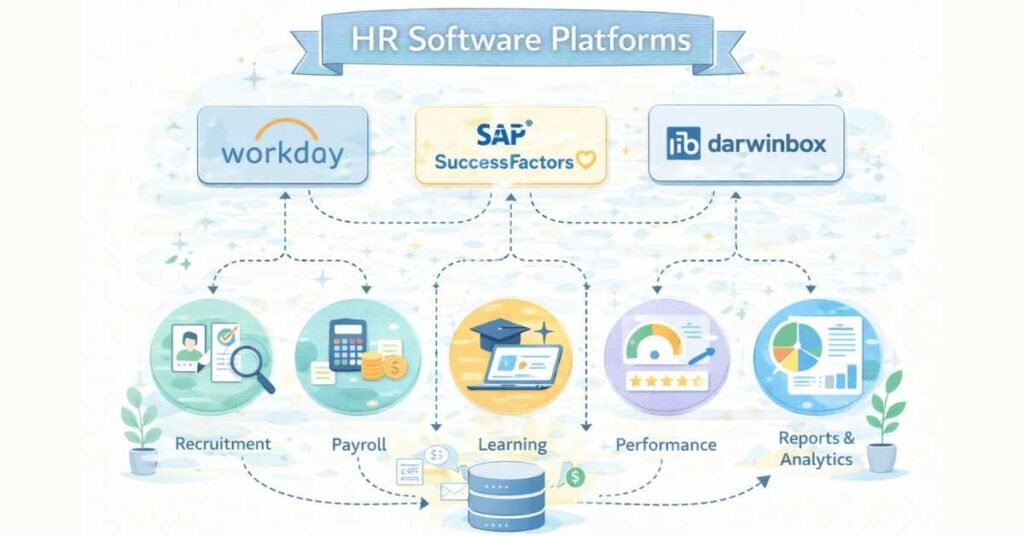
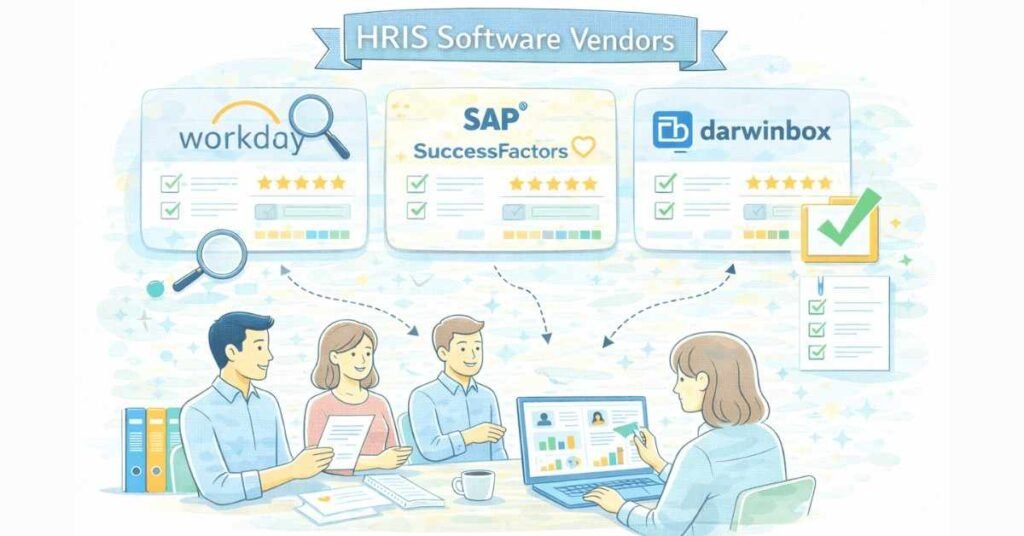
Enterprise Solutions (Large Organizations): SAP SuccessFactors, Workday HCM, Oracle HCM Cloud, ADP Workforce Now, and PeopleSoft
Mid-Market Solutions: Darwinbox (Indian platform gaining traction), Zoho People, BambooHR, Namely, and Paylocity
Specialized Solutions: Keka (payroll and attendance), greytHR (compliance-focused), and sumHR (SMB-focused)
Each platform has different strengths, user bases, and market positioning. HRIS professionals often specialize in specific platforms (becoming “Workday experts” or “SuccessFactors specialists”), though foundational HRIS knowledge transfers across systems.
Indian-Specific Requirements: HRIS in India must handle complex requirements including state-specific labor laws and compliance, EPF, ESI, and gratuity calculations, professional tax variations by state, Form 16 and TDS reporting, multiple leave types (earned, casual, sick, etc.), and multi-location, multi-entity structures common in Indian companies.
International HRIS platforms require India-specific localization, creating opportunities for HRIS professionals who understand both the technology and Indian regulatory requirements.
Growing Demand: HRIS roles are among the fastest-growing in HR. Organizations implementing new systems, upgrading legacy platforms, and expanding HR technology capabilities create consistent demand for HRIS expertise. The combination of technical skills and HR knowledge is relatively scarce, giving qualified professionals significant leverage.
Core HRIS Responsibilities
What does HRIS work actually involve? Let’s explore key responsibilities:
System Selection and Evaluation
When organizations decide to implement or replace HRIS, you lead the evaluation process including conducting needs assessment with HR and business stakeholders, researching available HRIS platforms and vendors, preparing RFPs (Request for Proposals) and evaluating responses, conducting vendor demonstrations and reference checks, analyzing costs including implementation, licensing, and ongoing maintenance, and recommending the best-fit solution based on requirements, budget, and organizational context.
System selection decisions impact organizations for 5-10 years and involve investments of lakhs to crores. Getting this right requires understanding both technology capabilities and organizational needs.
System Implementation and Configuration
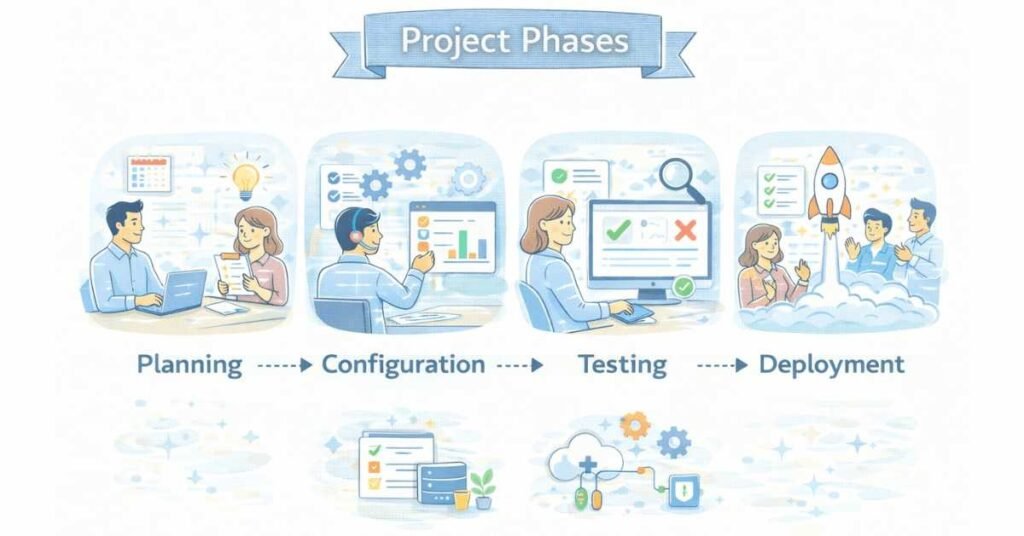
Once a system is selected, you manage the implementation including leading the HRIS implementation project team, configuring the system to organizational requirements (workflows, approvals, rules), migrating data from legacy systems to new platform, building integrations with other systems (payroll, finance, time tracking), configuring security and access controls, conducting user acceptance testing (UAT), and managing go-live and transition from old to new systems.
HRIS implementations are complex, multi-month projects typically taking 6-18 months depending on organization size and system complexity. Project management capabilities are as important as technical skills.
Challenge: Implementations commonly face scope creep, data quality issues, resistance from users accustomed to old ways, timeline pressures from business needs, and technical complications during integration. Successful HRIS professionals navigate these challenges through careful planning, stakeholder management, and technical problem-solving.
System Administration and Maintenance
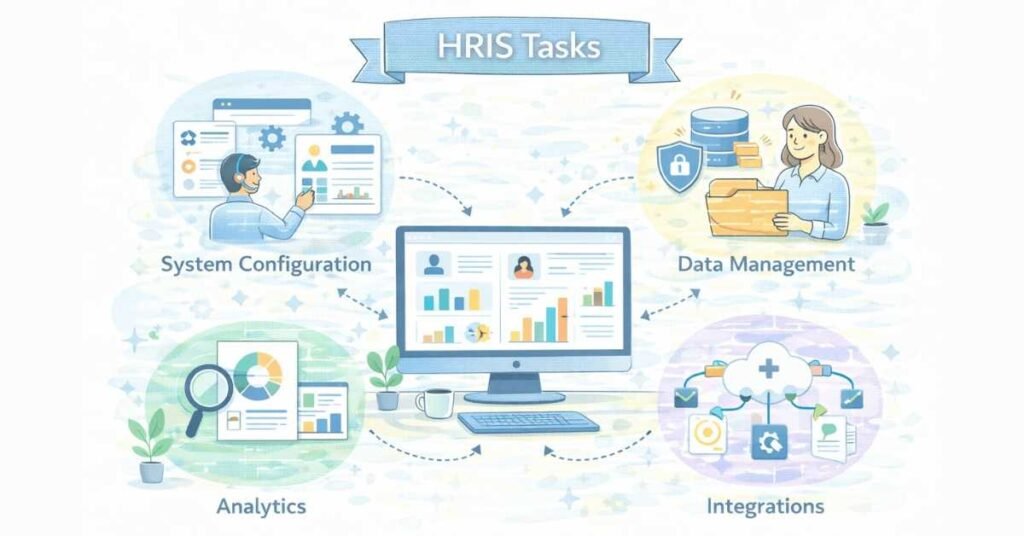
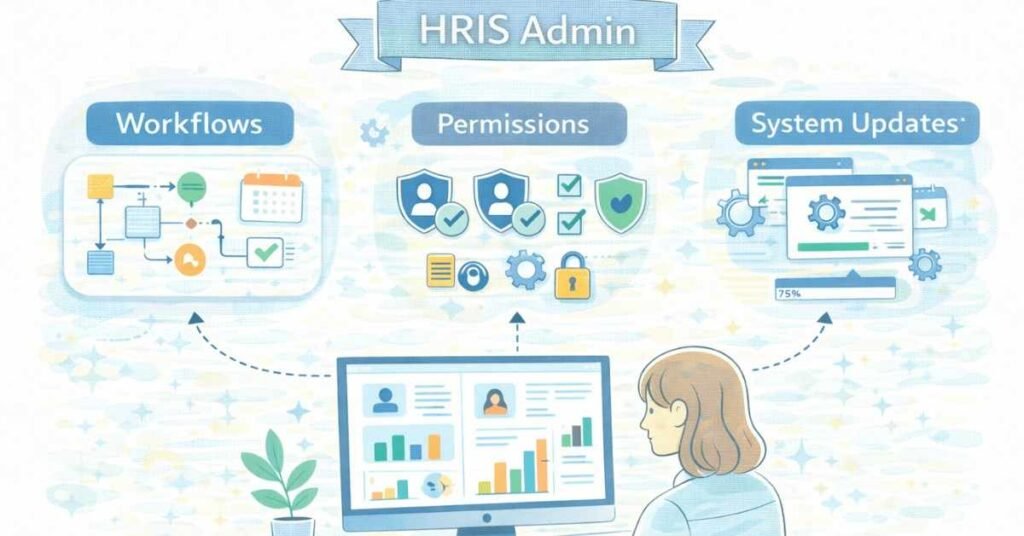
Once systems are live, you handle ongoing administration including managing user accounts and access permissions, configuring new workflows and business processes, updating system configurations as policies change, maintaining system documentation, monitoring system performance and issues, coordinating with vendors on support and issues, managing system upgrades and patches, and ensuring data integrity and security.
System administration requires understanding the platform deeply—how different modules interconnect, where configuration changes impact multiple areas, and how to troubleshoot when things go wrong.
HR Data Management
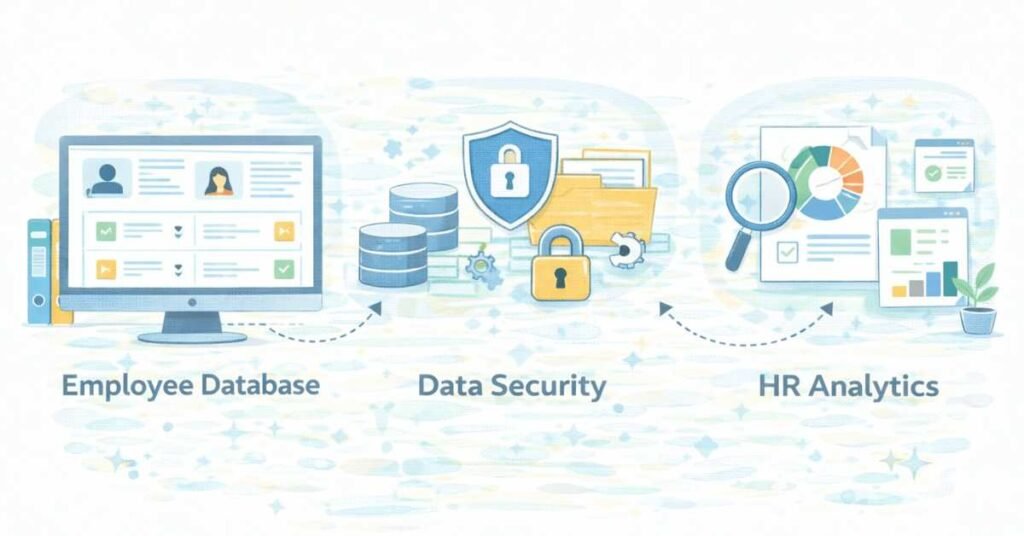
You serve as custodian of HR data including defining data standards and governance policies, ensuring data quality, accuracy, and consistency, auditing data regularly to identify and correct errors, managing master data (job codes, locations, departments, cost centers), archiving and purging data per retention policies, ensuring compliance with data privacy regulations (increasingly important), and managing data security and access controls.
Poor data quality undermines everything HRIS enables—analytics are wrong, reports are inaccurate, and users lose trust. Data management, while unglamorous, is foundational to HRIS value.
Reports and Analytics
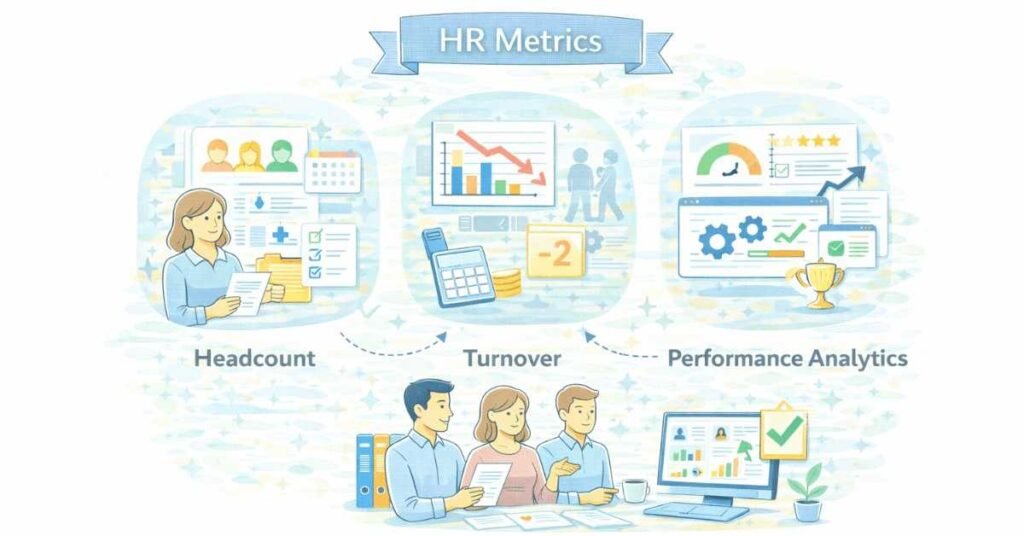
HRIS platforms contain massive amounts of data. You make it useful through creating standard reports for regular business needs, building custom reports for specific requests, designing dashboards visualizing key HR metrics, developing self-service reporting for managers and employees, conducting ad-hoc analysis to answer business questions, identifying trends and insights from HR data, and teaching others to use reporting tools effectively.
Strong HRIS professionals don’t just run reports—they analyze data to surface insights that drive decisions.
Integrations Management
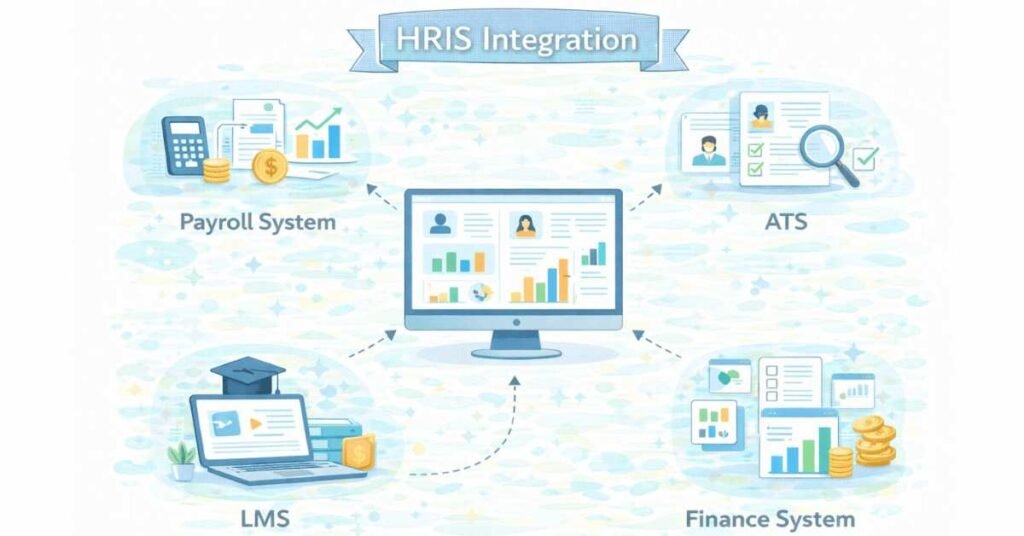
HRIS rarely stands alone. You manage connections with other systems including payroll systems (Greytip, Zoho Payroll, ADP), time and attendance systems (biometric, web-based time tracking), benefits administration platforms, learning management systems (LMS), recruitment systems (ATS), performance management tools, finance/ERP systems for cost allocation, and background verification providers.
Integrations require understanding APIs (Application Programming Interfaces), data mapping between systems, error handling, and troubleshooting when data doesn’t flow correctly.
Training and Change Management
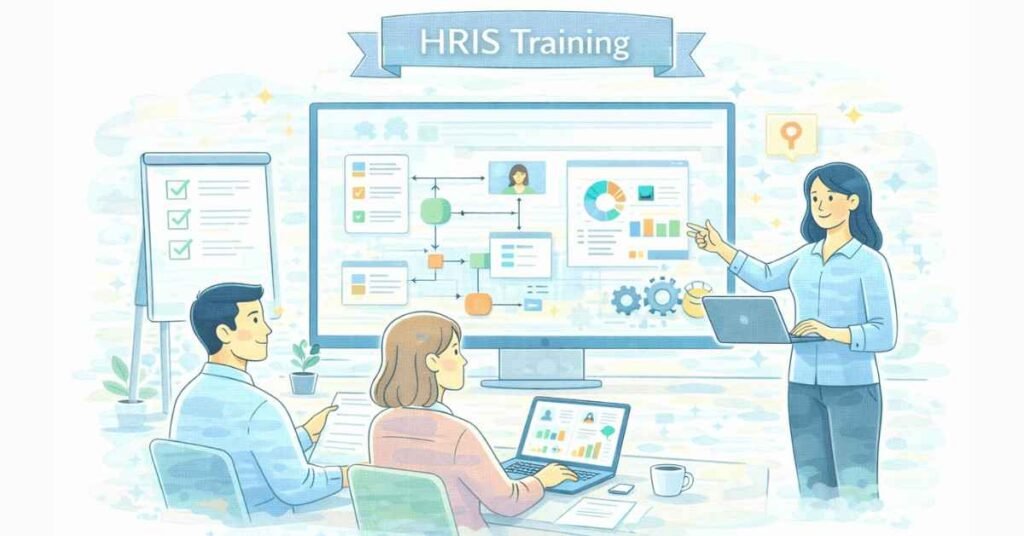
Technology is only valuable if people use it effectively. You develop and deliver training including creating training materials and documentation, conducting training sessions for HR teams, employees, and managers, providing ongoing support and troubleshooting user issues, managing change to drive adoption of new processes and technology, and gathering feedback to improve system usability and training.
Resistance to new technology is common—people comfortable with old processes resist change. Effective HRIS professionals are change agents who help organizations adapt.
Process Improvement and Optimization
You continuously improve how HR technology supports the business through identifying inefficiencies in current HR processes, recommending process improvements and automation, configuring new capabilities as business needs evolve, staying current on platform enhancements and new features, benchmarking against best practices in HR technology, and demonstrating ROI of HRIS investments.
The best HRIS professionals don’t just maintain systems—they proactively find opportunities to add value.
Vendor Management
You manage relationships with HRIS vendors and partners including negotiating contracts and pricing, managing service level agreements (SLAs), coordinating support for issues and enhancements, managing consultant relationships for implementations, evaluating vendor performance, and staying informed about product roadmaps and future capabilities.
Strong vendor management ensures you get value from substantial technology investments and that issues get resolved quickly.
Compliance and Audit Support
HRIS must support compliance requirements including maintaining records per legal retention requirements, providing audit trails of changes and decisions, supporting internal and external audits, ensuring system security and access controls, managing data privacy and protection, generating statutory reports (EPF, ESI, tax forms), and documenting system controls for compliance frameworks.
During audits, HRIS professionals are called upon to demonstrate that systems appropriately track and protect data.
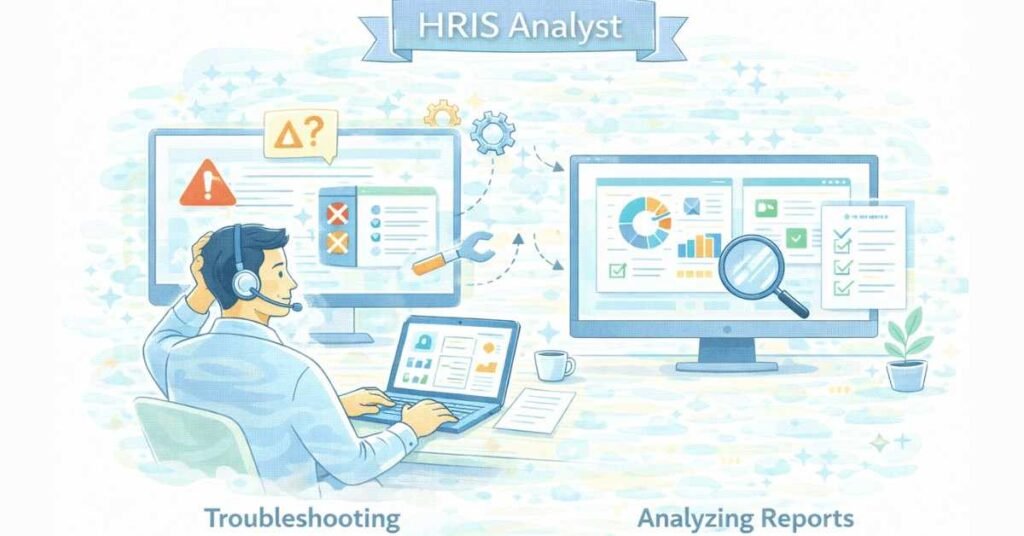
A Day in the Life of an HRIS Analyst
What does this look like practically? Let’s walk through a typical day:
Morning (9:00 AM – 12:00 PM): Your day starts responding to urgent tickets in the HRIS support queue. An employee can’t access their payslip—you investigate and discover their manager accidentally removed their system access during a team reorganization. You restore access and show the manager how to correctly update team structure.
A hiring manager reports that approval workflow for a requisition is stuck. You investigate the workflow configuration and find that the approver’s role was recently changed, breaking the approval chain. You quickly reconfigure the workflow and process the stuck requisition.
You have a meeting with the payroll team about next month’s upgrade to the payroll module. The vendor is releasing new features for calculating professional tax across different states. You review the release notes, discuss implications, and plan testing before deploying to production. This requires careful coordination since payroll can’t have errors.
You spend an hour building a dashboard requested by the head of HR showing real-time headcount, new hires, exits, and open requisitions by department. Using the HRIS reporting tool, you create visualizations that update automatically and configure it so the HR head can access it anytime.
Midday (12:00 PM – 2:00 PM): Over lunch, you review documentation for a new employee self-service feature the company is implementing next quarter. Employees will be able to update their banking information directly rather than submitting forms to HR. You make notes about security considerations and approval workflows needed.
After lunch, you troubleshoot an integration issue between the HRIS and the time-and-attendance system. Employee attendance data isn’t flowing correctly, causing payroll calculation problems. You examine the API logs, identify that the attendance system changed its data format, update the integration mapping, and test to confirm data flows correctly.
Afternoon (2:00 PM – 6:00 PM): You have a two-hour meeting with the HR transformation project team. The organization is implementing a new performance management module. As the HRIS lead, you’re responsible for configuring the system to support the new process. You discuss requirements including goal-setting workflows, mid-year review processes, year-end rating calibration, and integration with compensation planning.
After the meeting, you begin configuring a test environment for the performance management module. This involves setting up competency frameworks, defining rating scales, configuring approval workflows, and building role-based access so employees see their goals, managers see their team’s goals, and executives see the full organization.
You conduct a training session for five new HR team members on how to use the HRIS for employee data management. You walk through common tasks—adding new employees, processing transfers, updating compensation, and running standard reports. You emphasize data accuracy and provide them with reference guides.
Late Afternoon (4:30 PM – 6:00 PM): Before ending your day, you review a vendor proposal for an add-on analytics platform that would enhance the HRIS’s reporting capabilities. You analyze the costs (₹12 lakhs annually), evaluate the proposed benefits, and prepare questions for a demo scheduled next week.
You respond to emails including answering questions from managers about system functionality, coordinating with IT about server capacity for upcoming usage growth, and updating your project plan for the performance management implementation.
This represents a moderately complex day. Some days are consumed by major projects like system upgrades or implementations. Other days are mostly troubleshooting and support. The variety and constant problem-solving keep HRIS work engaging.
Essential Skills for HRIS Success
What capabilities distinguish successful HRIS professionals?
Technical Proficiency
HRIS work requires solid technical foundation including deep knowledge of at least one major HRIS platform (Workday, SAP SuccessFactors, etc.), understanding of databases and data structures, familiarity with APIs and system integrations, basic SQL for database queries and custom reports, understanding of system security and access controls, comfort learning new technologies quickly, and troubleshooting and problem-solving skills.
You don’t need computer science degree, but comfort with technology and willingness to dive into technical details is essential. The best HRIS professionals enjoy the technical challenge.
HR Domain Knowledge
HRIS professionals must understand HR to configure systems effectively including knowledge of HR processes (hiring, onboarding, performance, compensation, etc.), understanding of employment laws and compliance requirements, familiarity with payroll and benefits administration, grasp of how different HR functions interconnect, and appreciation for HR stakeholder needs and challenges.
Pure IT professionals struggle in HRIS roles because they lack HR context. Conversely, HR professionals intimidated by technology also struggle. HRIS requires bridging both worlds.
Analytical and Problem-Solving Skills
HRIS work constantly involves analysis and problem-solving through diagnosing system issues with incomplete information, analyzing data to identify root causes of problems, designing system configurations that meet complex requirements, troubleshooting integrations when data doesn’t flow correctly, and identifying process improvements through data analysis.
Strong logical thinking and systematic problem-solving distinguish great HRIS professionals from adequate ones.
Project Management
HRIS implementations and enhancements are projects requiring planning complex initiatives with multiple workstreams, managing timelines and deliverables, coordinating diverse stakeholders (HR, IT, business leaders, vendors), managing risks and issues, communicating status and managing expectations, and ensuring successful delivery within time and budget.
Many HRIS professionals pursue PMP (Project Management Professional) or similar certifications to formalize project management expertise.
Communication and Translation Skills
HRIS professionals bridge technical and non-technical worlds, requiring ability to explain technical concepts to HR and business stakeholders, translate HR requirements into technical specifications, document processes and configurations clearly, train diverse audiences on system usage, present to senior leadership about strategy and investments, and facilitate discussions between technical and functional teams.
You’re constantly translating between different languages—HR speaks in processes and policies, IT speaks in databases and APIs, and business leaders speak in costs and outcomes.
Attention to Detail and Quality Focus
HRIS manages critical data and processes where errors have significant consequences. Success requires meticulous testing before implementing changes, careful documentation of configurations and processes, systematic quality assurance approaches, double-checking work before deploying to production, and maintaining organized records and documentation.
A configuration error affecting payroll calculations can cost lakhs and damage employee trust. Systematic accuracy is non-negotiable.
Vendor and Relationship Management
HRIS professionals work with many vendors and partners including managing vendor relationships productively, negotiating contracts and pricing, escalating issues effectively to get resolution, understanding vendor roadmaps and capabilities, and evaluating new technologies and solutions.
Strong vendor relationships ensure you get value from technology investments and priority support when issues arise.
Change Management and Training
Technology changes how people work, requiring skills in managing resistance to change, designing effective training approaches, communicating changes to drive adoption, providing patient support as users adapt, gathering feedback to improve systems and processes, and celebrating wins to build enthusiasm.
The best HRIS implementations fail if people don’t adopt the technology. Change management capabilities are as important as technical skills.
Business Acumen
Strategic HRIS work requires understanding how the business operates and creates value, which HR capabilities are strategically critical, how HRIS investments support business objectives, how to demonstrate ROI of technology investments, and how to prioritize initiatives based on business impact.
HRIS professionals who speak the language of business gain credibility and influence
Career Progression in HRIS
Understanding the typical HRIS career trajectory helps you plan professional development:
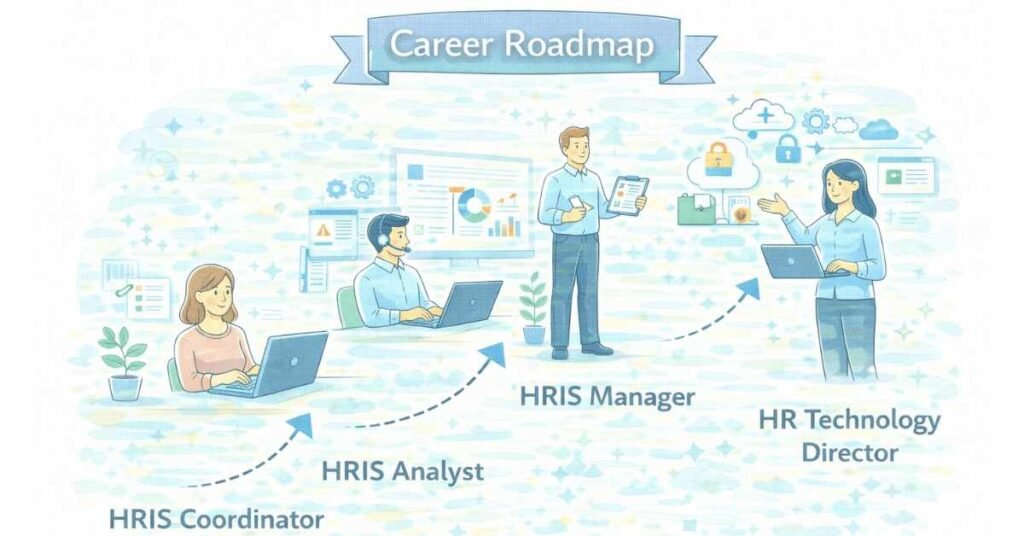
Entry Level: HRIS Coordinator / Junior HRIS Analyst (0-2 Years)
Salary Range: ₹3-6 lakhs annually (₹25,000-50,000 monthly)
Responsibilities: At this level, you support senior HRIS professionals by maintaining employee data in the HRIS, processing routine system transactions, responding to basic user questions and issues, running standard reports, assisting with testing during system changes, maintaining documentation, and learning system functionality and configuration.
This role builds foundational HRIS knowledge. Focus on learning the system deeply, understanding HR processes, and developing technical skills.
Early Career: HRIS Analyst (2-5 Years)
Salary Range: ₹6-12 lakhs annually
Responsibilities: You now handle more complex work independently including configuring system workflows and processes, creating custom reports and analytics, managing user access and security, troubleshooting more complex system issues, supporting system implementations and upgrades, conducting user training sessions, documenting system configurations and processes, and managing integrations with guidance.
You’re building credibility as a capable HRIS professional who can be trusted with important configurations and projects.
Mid-Career: Senior HRIS Analyst / HRIS Specialist (5-9 Years)
Salary Range: ₹10-20 lakhs annually
Responsibilities: As a senior analyst, you own significant HRIS areas including leading system enhancement projects, designing complex configurations and workflows, managing critical integrations and APIs, conducting advanced analytics and data modeling, serving as subject matter expert for system modules, optimizing system performance and functionality, mentoring junior HRIS team members, and representing HRIS in cross-functional projects.
You’re recognized as an HRIS expert who can handle sophisticated technical challenges.
Management: HRIS Manager (9-14 Years)
Salary Range: ₹15-28 lakhs annually
Responsibilities: You transition to management, leading HRIS teams including managing HRIS team (typically 2-6 people depending on organization size), developing HRIS strategy aligned with HR and business needs, owning the HRIS roadmap and prioritizing enhancements, managing vendor relationships and contracts, overseeing system implementations and major upgrades, ensuring system security, compliance, and data governance, managing HRIS budget and investments, partnering with HR and business leaders, and reporting HRIS metrics and outcomes.
This level requires developing leadership and strategic capabilities beyond technical expertise.
Senior Management: Senior HRIS Manager / HR Technology Manager (14-18 Years)
Salary Range: ₹22-38 lakhs annually
Responsibilities: You lead HRIS for large, complex organizations including developing organization-wide HR technology strategy, managing multiple HRIS platforms or large teams, driving HR digital transformation initiatives, representing HR technology in executive discussions, managing substantial technology budgets, partnering with IT on infrastructure and architecture, evaluating and implementing emerging HR technologies, and owning all HRIS outcomes and service levels.
You’re a strategic leader whose decisions affect thousands of employees’ daily experiences with HR technology.
Executive: Director of HRIS / VP of HR Technology (18+ Years)
Salary Range: ₹30-80+ lakhs annually, with top professionals in tech companies and large MNCs at the higher end
Responsibilities: As the most senior HRIS leader, you own HR’s entire technology ecosystem, set overall HR technology vision and strategy, build and lead comprehensive HR technology organizations, partner with CIO and C-suite on digital strategy, manage multi-crore technology investments, drive innovation through emerging technologies (AI, analytics, automation), represent the organization in industry forums, and own all HR technology outcomes and value delivery.
Some organizations title this Chief HR Technology Officer, reflecting strategic importance. This level exists primarily in large enterprises with thousands of employees and sophisticated technology needs.
HRIS Salary Factors in India
Why do HRIS salaries vary so dramatically? Several factors influence compensation:
Experience and Technical Depth: Years matter, but proven expertise matters more. HRIS professionals with deep platform knowledge, successful implementation track records, or specialized technical capabilities (APIs, complex integrations, advanced analytics) command significant premiums.
Platform Specialization: Expertise in enterprise platforms commands higher salaries. Workday specialists can earn ₹25-45 lakhs with 8-12 years experience. SAP SuccessFactors experts earn similar premiums. These platforms are complex, and expertise is scarce relative to demand.
Industry and Company Type: Technology companies, financial services, and consulting firms pay highest HRIS salaries—typically 30-50% above manufacturing or traditional sectors. Organizations dependent on HR technology invest more in HRIS capabilities.
Company Size and Complexity: Large organizations with thousands of employees need sophisticated HRIS expertise and pay accordingly. Multinationals with global implementations need professionals who can manage complexity across countries.
Technical Skills: Strong technical capabilities—SQL, APIs, programming, advanced reporting—earn 20-30% premiums over HRIS professionals with basic technical skills. The more technical depth, the more valuable you become.
Project Experience: HRIS professionals with successful implementation experience (leading system implementations from selection through go-live) earn significantly more than those with only system administration experience.
Geography: Bangalore, Pune, and Gurgaon (tech and services hubs) pay 35-50% more than tier-2 cities for HRIS roles. However, remote HRIS work is increasingly common, making location less determinative.
Certifications: Platform certifications (Workday HCM Certification, SAP SuccessFactors certification, etc.) typically add ₹3-8 lakhs to compensation packages. These certifications demonstrate deep platform expertise.
HRIS Specializations and Career Paths
As you progress, you might focus on specific areas:
HRIS Implementation Specialist
Implementation specialists focus on deploying new HRIS platforms including leading full-cycle implementations from requirements through go-live, configuring systems to organizational requirements, managing data migration from legacy systems, building complex integrations, conducting testing and user acceptance, and training users and administrators.
Implementation specialists are in high demand. Many work as consultants with firms like Deloitte, Accenture, or platform-specific consulting partners, implementing systems across multiple clients. Consultant compensation can reach ₹25-55 lakhs with 8-15 years experience.
HRIS Reporting and Analytics Specialist
Analytics specialists focus on extracting insights from HR data including building advanced analytics and predictive models, creating executive dashboards and visualizations, developing self-service reporting capabilities, conducting workforce analytics to answer business questions, using statistical analysis and data science techniques, and teaching others to use data effectively.
This specialization blends HRIS expertise with data science capabilities. As organizations demand more sophisticated people analytics, these skills are increasingly valuable.
HRIS Integration Specialist
Integration specialists focus on connecting HRIS with other systems including designing and building APIs and integrations, managing middleware and integration platforms, troubleshooting data flow between systems, ensuring data consistency across platforms, and optimizing integration performance and reliability.
Integration work is highly technical, requiring understanding of APIs, data formats (XML, JSON), error handling, and sometimes programming. Technical integration specialists can earn ₹18-40 lakhs depending on complexity.
Platform-Specific Consultant
Some HRIS professionals specialize deeply in specific platforms including becoming certified experts in Workday, SAP SuccessFactors, Oracle, etc., focusing on specific modules (recruiting, compensation, learning, etc.), working as consultants implementing the platform for multiple clients, staying current on platform enhancements and roadmaps, and sometimes working directly for platform vendors.
Platform specialization creates career portability—Workday experts are in demand globally, not just in one organization or city.
HR Technology Strategist
Senior HRIS professionals often evolve into strategic technology roles including evaluating emerging HR technologies, developing long-term HR technology roadmaps, driving digital transformation of HR, partnering with business on technology-enabled improvements, managing technology vendor ecosystem, and advising leadership on HR technology investments.
This strategic role requires blending deep HRIS knowledge with business acumen and emerging technology awareness.
Major HRIS Platforms and Career Implications
Understanding different platforms helps you make career choices:
Enterprise Platforms
Workday HCM: Cloud-based platform popular with large enterprises and growing rapidly in India. Known for modern user interface, strong analytics, and unified data model. Workday specialists are in very high demand.
SAP SuccessFactors: Market leader in India, especially among large organizations. Modular platform covering all HR functions. Deep expertise in SuccessFactors opens many opportunities.
Oracle HCM Cloud: Strong in large enterprises, particularly those using Oracle’s broader ERP ecosystem. Comprehensive capabilities across HR functions.
Career Implication: Specializing in these enterprise platforms offers strong earning potential and numerous opportunities, but requires significant investment in learning complex systems.
Mid-Market Platforms
Darwinbox: Fast-growing Indian HRIS platform popular with mid-market companies. Strengths in India-specific compliance and user experience.
Zoho People: Part of Zoho’s suite, popular with SMBs. More affordable than enterprise platforms.
BambooHR: Popular in mid-market, especially with companies wanting simple, user-friendly HRIS.
Career Implication: These platforms offer good opportunities, particularly in India’s large mid-market segment, though typically at lower compensation than enterprise platforms.
Specialized Systems
ATS (Applicant Tracking Systems): Greenhouse, Lever, Workday Recruiting, SuccessFactors Recruiting
LMS (Learning Management Systems): Cornerstone, SuccessFactors Learning, Moodle
Performance Management: 15Five, Lattice, ClearCompany
Career Implication: Specializing in functional modules (recruiting, learning, performance) rather than full HRIS platforms is another viable path.
Tools and Technologies HRIS Professionals Use
Beyond the core HRIS platform, you’ll work with:
Database and Query Tools
- SQL for querying databases and creating custom reports
- Database management systems (Oracle, SQL Server, MySQL)
- ETL (Extract, Transform, Load) tools for data migration
Integration and Middleware
- Integration platforms (Dell Boomi, MuleSoft, Informatica)
- API development and management tools
- File transfer protocols (SFTP, APIs)
Analytics and Reporting
- Business intelligence tools (Tableau, Power BI, Looker)
- Advanced Excel with PowerPivot and PowerQuery
- Sometimes Python or R for advanced analytics
Project Management
- Project management software (MS Project, Jira, Asana)
- Documentation tools (Confluence, SharePoint, Google Docs)
- Testing and QA tools
Development and Configuration
- Workday Studio (for Workday development)
- SAP SuccessFactors configuration tools
- Sometimes programming languages (Java, JavaScript, Python) for customizations
Challenges in HRIS Careers
Understanding common challenges helps you prepare:
Keeping Current: HR technology evolves rapidly with constant platform updates and new features, emerging technologies (AI, automation, chatbots), changing integration standards and approaches, and new vendors and solutions. Continuous learning is mandatory—what you know today becomes partially obsolete within 2-3 years.
Balancing Technical and Functional: HRIS professionals must constantly balance technical excellence with business needs, system capabilities with organizational processes, standardization with customization requests, and IT requirements with HR usability. Finding the right balance requires judgment developed through experience.
Managing Expectations: Stakeholders often have unrealistic expectations about what systems can do, how quickly changes can be implemented, costs of customizations and enhancements, and ease of integrations. Managing expectations requires communication skills and sometimes saying no diplomatically.
Data Quality Battles: HRIS depends on data quality, but data entry is often inconsistent, legacy data migration reveals massive quality issues, different stakeholders define data elements differently, and users resist data governance requirements. You’ll spend significant time on data quality when you’d rather work on strategic initiatives.
24/7 Pressure: HRIS is mission-critical infrastructure. System issues affecting payroll, preventing managers from approving time-off, or blocking business processes create urgent pressure. Some HRIS roles involve on-call responsibilities and occasional weekend work during implementations or critical issues.
Vendor Dependence: You rely on vendors for platform enhancements, bug fixes, support, and documentation. Poor vendor support frustrates users and reflects poorly on HRIS teams even when issues aren’t your fault.
Proving Value: Like much of HR, quantifying HRIS ROI can be challenging. How do you prove that the new system saved X hours or improved retention? Yet leaders expect evidence that substantial technology investments deliver value.
Why Choose an HRIS Career?
Despite challenges, HRIS offers compelling rewards:
High Earning Potential: HRIS professionals earn among the highest salaries in HR—average ₹13.6 lakhs, with experienced specialists earning ₹25-80+ lakhs. The blend of technical and HR skills is relatively scarce, driving premium compensation.
Strong Job Demand: Organizations continually need HRIS expertise for implementations, upgrades, maintenance, and optimization. HRIS professionals enjoy strong job security and numerous opportunities.
Blend of Technical and People Work: If you enjoy technology but also want to work with people and business processes, HRIS offers an ideal blend. You’re not purely programming, but you’re also not purely in meetings.
Visible Impact: HRIS enables everything HR does. When you implement an effective system, the efficiency gains and capabilities are obvious. Your work directly improves how thousands of employees experience HR.
Continuous Learning: Technology evolution means you’re constantly learning new capabilities, platforms, and approaches. If you love learning, HRIS keeps you intellectually stimulated.
Transferable Skills: HRIS builds capabilities—technical proficiency, project management, analytics, business process understanding—that transfer to various technology and business roles.
Career Flexibility: HRIS expertise is portable. You can work in any industry (all organizations need HRIS), move between corporate roles and consulting, relocate geographically (HRIS skills are valuable everywhere), and sometimes work remotely.
Strategic Influence: Senior HRIS leaders shape how organizations leverage technology for HR and business effectiveness. You’re not just maintaining systems but driving digital transformation.
Getting Started in HRIS
How do you break into HRIS?
Educational Backgrounds: Many HRIS professionals studied HR, IT/Computer Science, MIS (Management Information Systems), Business Administration, or Engineering. What matters more than specific degree is combining HR interest with technical aptitude.
Entry Paths: Common routes into HRIS include starting as HRIS coordinator or analyst, transitioning from HR operations or generalist roles with system responsibilities, moving from IT into HR technology, joining HRIS implementation projects as team member, starting in payroll systems then expanding to broader HRIS, and joining consulting firms doing HRIS implementations.
Build Relevant Skills: While preparing for HRIS roles, develop proficiency in Excel (advanced level), basic database concepts and SQL, understanding of HRIS platforms (explore Workday, SuccessFactors demos), foundational HR knowledge, project management capabilities, and technical problem-solving mindset.
Certifications to Consider: Platform-specific certifications (Workday HCM, SAP SuccessFactors, Oracle) are most valuable. SHRM-CP or PHR for HR foundations. PMP or CAPM for project management. SQL or database certifications demonstrate technical skills. Some universities offer HRIS or HR Technology certificates.
Get Hands-On Experience: Volunteer for HRIS projects in your current role, even if not your primary responsibility. Offer to help with system testing, report building, or user training. This builds experience and demonstrates interest.
Network in HRIS: Connect with HRIS professionals on LinkedIn, join HRIS-focused groups and communities, attend HR technology conferences and webinars, follow HR technology blogs and thought leaders, and learn from practitioners about platforms and career paths.
Start with Entry-Level Roles: Most HRIS careers begin with coordinator or junior analyst positions. These roles offer training ground to learn platforms, processes, and technical skills before advancing to more complex work.
Future of HRIS and HR Technology
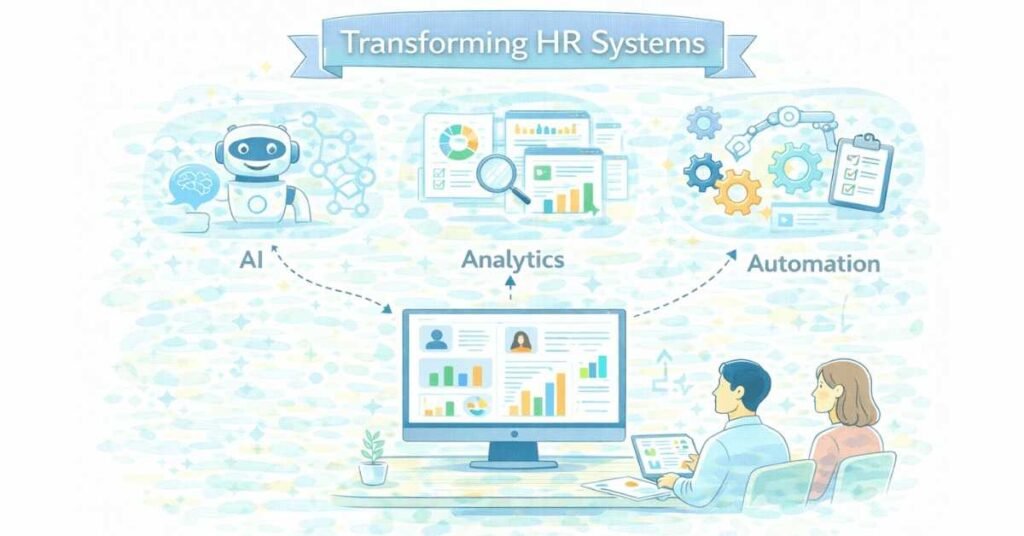
HRIS is evolving rapidly with technological advancement:
AI and Machine Learning: AI increasingly powers HR technology through predictive analytics (flight risk, performance predictions), chatbots handling routine employee queries, resume screening and candidate matching, personalized learning recommendations, and automated process optimization.
HRIS professionals must understand AI capabilities, limitations, and ethical considerations as these technologies integrate into platforms.
Employee Experience Platforms: Modern HRIS emphasizes user experience with consumer-grade interfaces, mobile-first design, personalized experiences, and integration of work tools. The lines between HRIS, collaboration tools, and workplace platforms blur.
Platform Consolidation: Organizations increasingly prefer unified platforms rather than best-of-breed point solutions, reducing integration complexity. HRIS professionals increasingly manage comprehensive platforms rather than multiple specialized systems.
Analytics and Insights: HR analytics evolves from descriptive reporting to predictive and prescriptive insights. HRIS professionals need deeper analytical capabilities and data science literacy.
API Economy: Modern HRIS platforms expose APIs allowing easy integration and customization. HRIS professionals increasingly leverage APIs rather than building custom integrations from scratch.
Cloud and SaaS Dominance: Cloud-based HRIS is now standard, eliminating on-premise systems and reducing infrastructure management. HRIS roles focus more on configuration and optimization than infrastructure.
Skills-Based Architecture: As organizations shift to skills-based talent management, HRIS must track skills, build skills taxonomies, and enable skills-based matching. This requires new data models and system capabilities.
HRIS offers a fulfilling career for technically-minded individuals who want to apply technology to solving human and organizational challenges. You’ll combine technical problem-solving with business impact, systematic thinking with creative solutions, and independent work with collaborative projects.
The most successful HRIS professionals balance technical expertise with business understanding, attention to detail with strategic vision, and love of systems with empathy for users. They’re lifelong learners who embrace technology evolution and translators who bridge HR, IT, and business perspectives.
If you enjoy technology and problem-solving, want to enable organizational effectiveness, appreciate seeing tangible results from your work, and value strong earning potential—HRIS might be your calling. The field offers clear career progression, strong demand, and the satisfaction of building digital infrastructure that empowers thousands of employees and enables strategic HR.