
Game Streaming Career in India: How to Start, Grow & Earn on YouTube & Twitch (2026)
Table of Contents
Introduction:
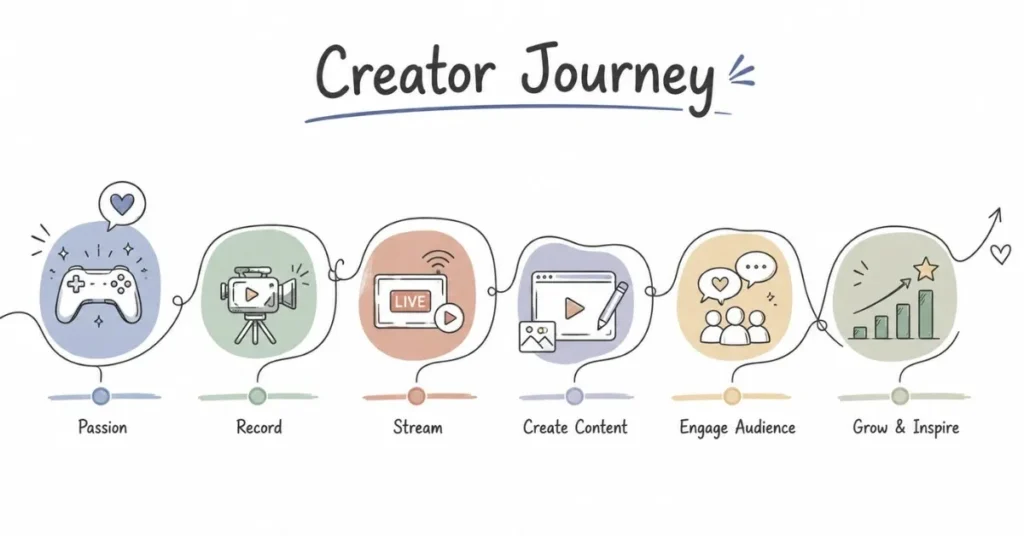
Every week, someone in India sets up OBS, hits “Go Live,” and waits for an audience that does not arrive. Six months later, they quit convinced that streaming does not work in India, that the market is too saturated, that only people who already have audiences can build audiences.
The reality is more specific than that. Streaming in India works. It just does not work the way most beginners think it does. The income structure is different from Western markets. The growth timeline is longer than YouTube tutorials suggest. And the skills that matter most have nothing to do with how well you play the game.
This guide covers the honest picture what streaming in India actually looks like financially, which platform makes more sense for Indian creators, the exact setup to start with, and how growth realistically happens over 12–18 months.
Streaming in India vs the West: The Critical Difference
Before anything else, understand this: India is a low-CPM market.
CPM stands for Cost Per Mille the amount advertisers pay per 1,000 views or impressions. In the United States, YouTube gaming CPMs average $3–8 per 1,000 views. In India, they average $0.40–0.50 per 1,000 views. That is an 8–15x difference.
What this means practically: an Indian gaming channel with 1 million views per month earns roughly ₹25,000–35,000 from YouTube ad revenue. A US channel with identical viewership earns ₹2,50,000–5,00,000 from the same ads.
This is not a reason to avoid streaming. It is a reason to build your income model correctly from the start. Indian streamers who earn well do not depend on ad revenue. They earn primarily through:
- Brand deals and sponsorships gaming peripherals, energy drinks, mobile apps, fantasy sports platforms
- Super Chats and channel memberships direct audience payments during live streams
- Merchandise branded clothing, accessories, limited drops
- Tournament prize money for creators who also compete
- Affiliate commissions Amazon, Flipkart, and gaming peripheral affiliate programmes
Top Indian streamers earn ₹1 lakh to ₹5 lakh per month and almost none of that comes from platform ad revenue alone.
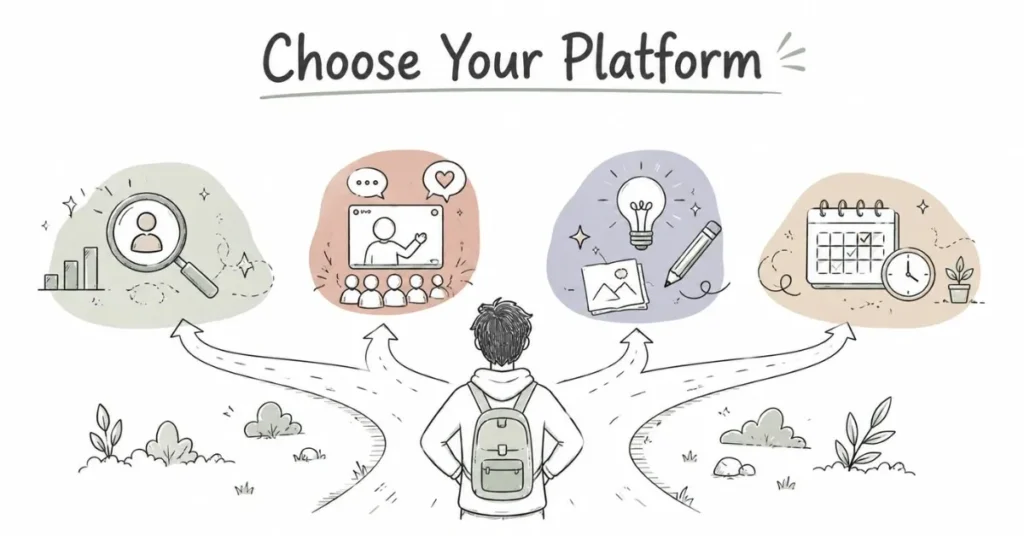
YouTube vs Twitch: Which Platform for Indian Streamers?
This is the first real decision, and it shapes everything that follows.
YouTube Gaming:
YouTube’s search-driven discovery is the single biggest advantage for Indian streamers. A video titled “How to rank up in BGMI tips for beginners” will get found by people searching that exact phrase days, months, and years after you upload it. This compounding search traffic is why most successful Indian gaming creators are primarily on YouTube.
YouTube also pays higher than Twitch in India for the limited ad revenue that does come through. The YouTube Partner Programme (YPP) threshold 1,000 subscribers and 4,000 watch hours is achievable within 6–12 months for creators who post consistently.
The downside: YouTube’s algorithm rewards watch time over live streaming hours. A 10-minute edited highlights video often performs better than a 3-hour live stream on YouTube.
Twitch:
Twitch is built entirely around live streaming. Its community features raids, hosts, subscriptions, Bits are designed to build tight-knit communities. For creators whose strength is live personality and real-time interaction with viewers, Twitch can build deep loyalty faster than YouTube.
The problems in the Indian context: Twitch’s payout rates in India are lower than YouTube’s already-low rates. Twitch affiliate and partner thresholds are achievable but the subscriber revenue (typically $2.50–$3.50 per subscriber after Twitch’s cut) converts poorly at Indian audience purchasing power. Brand deals on Twitch are less common for India-based creators than for YouTube creators.
The recommendation for most Indian beginners:
Start on YouTube. Post edited highlights and shorter gaming videos alongside VOD uploads of your streams. Use YouTube Shorts (60-second gaming clips) to accelerate early discovery. Once you build a YouTube audience, simulcast to Twitch if the community model appeals to you.
Most Indian creators who earn consistently do exactly this: YouTube is their primary platform, Twitch is their community hub.
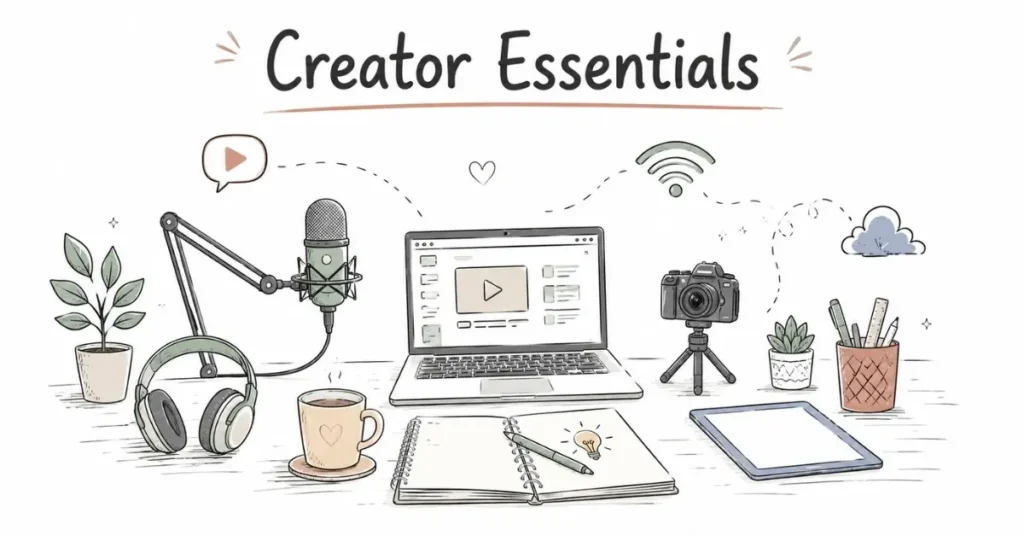
What Equipment Do You Actually Need?
The single biggest mistake new streamers make is buying the wrong equipment in the wrong order. Here is the priority sequence based on what actually affects viewer retention.
Priority 1: Audio (₹3,000–8,000)
Viewers tolerate average video quality. They do not tolerate bad audio. A tinny, echoey microphone makes even great gameplay unwatchable. Your first equipment purchase should be a condenser microphone.
Good options in India:
- HyperX SoloCast- ₹4,500–5,500, USB, plug-and-play, clean audio
- Maono AU-A04 -₹3,000–4,000, good entry-level USB mic
- Fifine K669B- ₹2,500–3,000, the budget floor that still sounds professional
Priority 2: Stable Internet (₹700–1,500/month)
Stream quality is entirely dependent on upload speed. For a 1080p stream at 6,000 kbps (standard quality), you need a minimum 10 Mbps upload speed consistently, not just during speed tests. Most Indian broadband plans (Jio Fiber, ACT Fibernet, Airtel Xstream) provide this at their mid-tier plans.
Priority 3: PC or Console (what you already have)
Start with what you have. A mid-range gaming PC (i5/Ryzen 5, 8GB RAM, GTX 1060 or equivalent) handles streaming and gaming simultaneously. If you are on console, PlayStation and Xbox have built-in streaming features. Mobile streaming via a decent Android phone (Snapdragon 7-series or better) works for BGMI and Free Fire content.
Do not buy a new PC before you know streaming is something you will do consistently for six months.
Priority 4: Webcam (₹3,000–8,000) Optional Early
Face camera adds personality and watch time for most creators. But many successful Indian gaming channels operate without a webcam in their first year. This is a month-6 purchase, not a month-1 purchase.
Software (Free):
- OBS Studio – handles streaming and recording, free, industry standard
- DaVinci Resolve – free video editing for post-stream highlights
- StreamElements – free overlay and alert management for live streams
- Canva – free thumbnail creation (thumbnails significantly affect click-through rate)
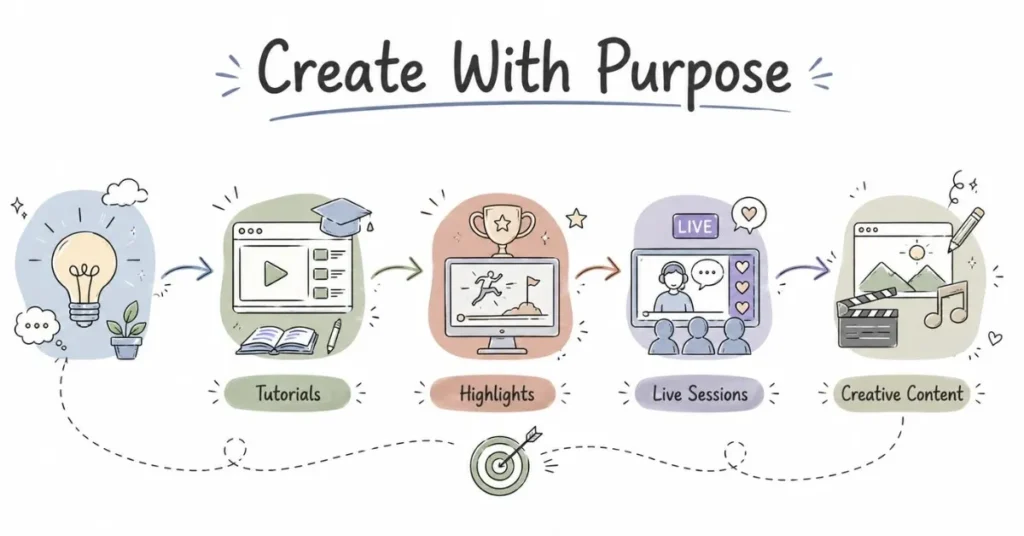
The Content Strategy That Actually Grows Channels in India
Most beginners stream whatever they feel like playing and wonder why nobody watches. Growth on YouTube Gaming is strategic, not random.
The content mix that works:
40% Tutorial and tips content
“How to rank up in BGMI Conqueror tier,” “Best settings for Valorant on low-end PC,” “BGMI sensitivity guide for mobile players” these are search-driven videos that get found by people actively looking for help. This content works even when you have zero subscribers.
30% Highlights and funny moments
Short, edited compilations of your best plays, funny moments, or intense clutches. These spread through shares and Shorts. Keep them under 8 minutes. Tight editing no dead time, no filler determines whether people watch to the end.
20% Live stream VODs
Full stream uploads for your existing audience. These do not grow your channel, but they reward loyal viewers and build community.
10% Trending / timely content
New game releases, patch updates, game tier lists. High traffic potential but short shelf life.
The posting frequency that builds momentum:
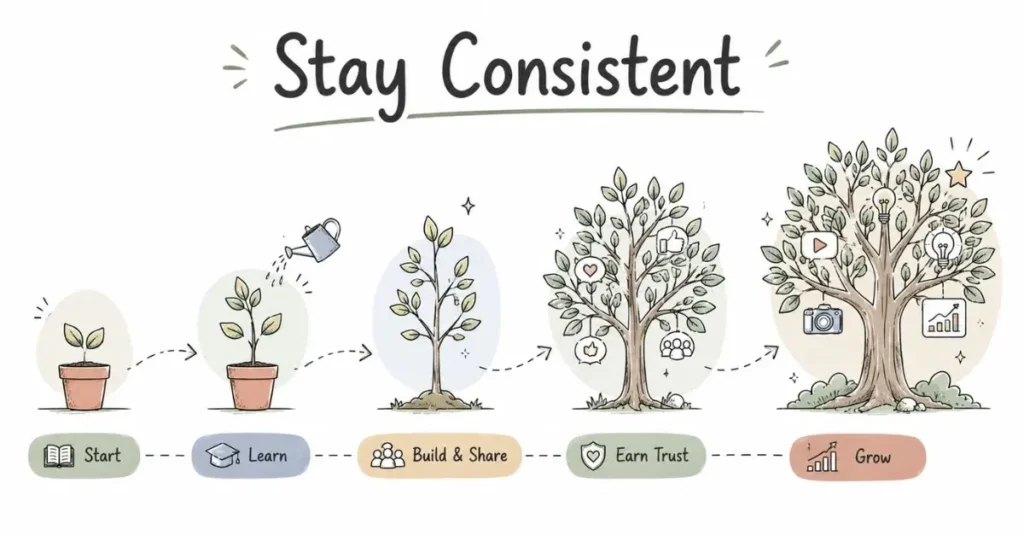
Three pieces of content per week minimum. This does not mean three full streams. It means three uploads one tutorial, one highlights video, one stream VOD or Shorts compilation. Consistency matters more than production quality in the first six months.
One video per week will not build the algorithmic momentum needed to grow in a competitive market. Three per week, for six months straight, is the minimum real investment.
The Realistic Growth and Income Timeline
This is where honest content separates from hype.
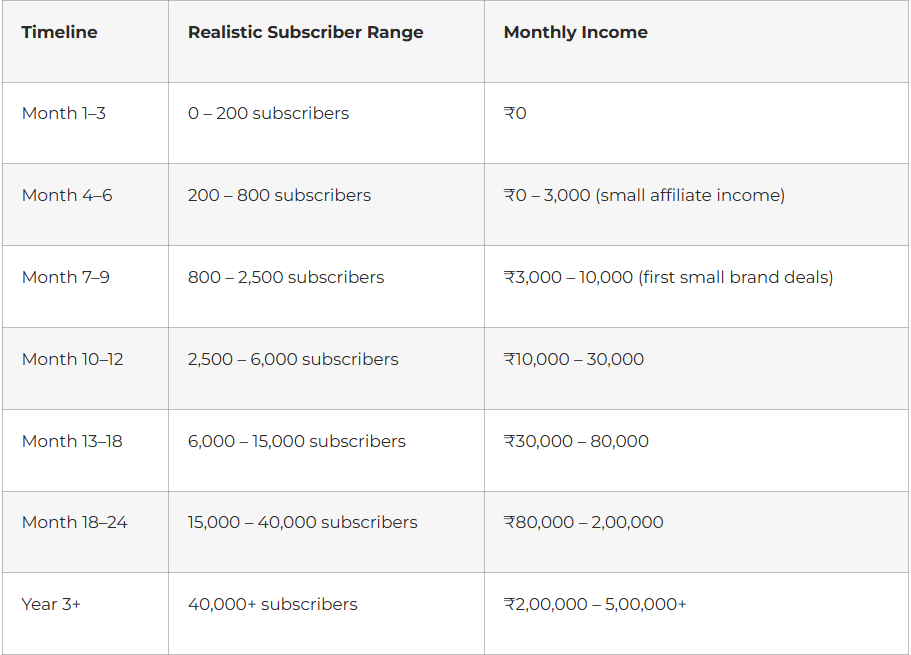
These figures assume consistent posting (3x/week), improving content quality over time, and active brand deal outreach starting at month 7–9. Channels that post once a week and wait for organic growth take significantly longer.
The number that most beginners do not expect: months 1–6 typically generate zero income. This is normal. It is not a sign that the channel is failing. It is the compulsory patience tax of building an audience.
How to Land Brand Deals as an Indian Gaming Creator
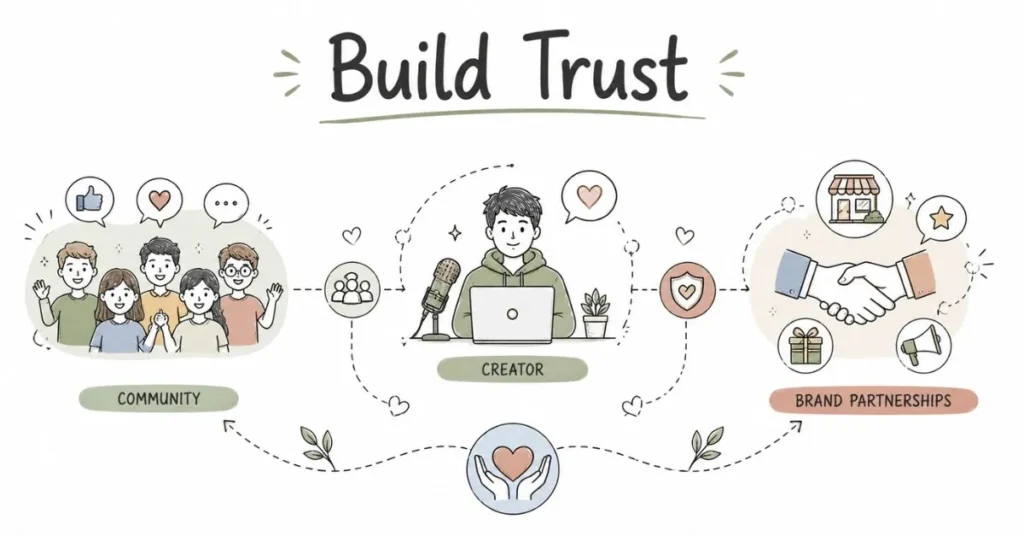
Brand deals are the primary income source for most Indian gaming creators. Here is how they work at different audience sizes.
Under 5,000 subscribers:
Organic brand outreach rarely works at this size. Instead, focus on:
- Amazon and Flipkart affiliate links for gaming peripherals you genuinely use add these to every video description from day one
- Gaming peripheral brands with micro-influencer programmes Cosmic Byte, Zebronics, Redgear, and HP Gaming all have India-specific creator programmes that accept channels with 1,000+ subscribers
- App-based promotions fantasy sports, gaming VPN services, and mobile gaming apps frequently sponsor small creators on a cost-per-install basis
5,000–20,000 subscribers:
You are now attractive to mid-tier brand campaigns. Reach out directly via email to the marketing contacts of:
- Gaming peripheral brands (Logitech India, Razer India, HyperX India)
- Energy drink brands (Red Bull India, Monster India actively sponsor gaming creators)
- Mobile gaming titles looking for promotion in India
- Gaming chairs and furniture brands (Green Soul, Ant Esports)
Standard rates at this level: ₹5,000–25,000 per sponsored video or integration.
20,000+ subscribers:
At this point, brands begin reaching out to you. Inbound deal volume increases as your channel grows. Consider joining an MCN (Multi-Channel Network) like Qyuki or Collective Artists Network they negotiate brand deals on your behalf and take 15–20% commission in exchange for access to brand relationships you cannot reach independently.
The Tax Reality Indian Streamers Miss
This section is genuinely important and almost nobody covers it.
Income from YouTube AdSense, brand deals, Super Chats, and sponsorships is taxable in India under “Income from Other Sources” or “Profits and Gains from Business” depending on your income level and how you file.
When you cross ₹20 lakh in annual income from streaming, GST registration becomes mandatory. Brand deals paid by companies also attract TDS (Tax Deducted at Source) typically 10% under Section 194J.
Keep records of every payment received. Use a separate bank account for streaming income from month one. Consult a CA (chartered accountant) once your monthly income crosses ₹30,000 the cost of a CA is significantly less than the cost of incorrect tax filing.
This is not meant to overwhelm you. It is practical information that most streaming guides skip entirely
The Five Habits That Separate Growing Channels from Stalled Ones
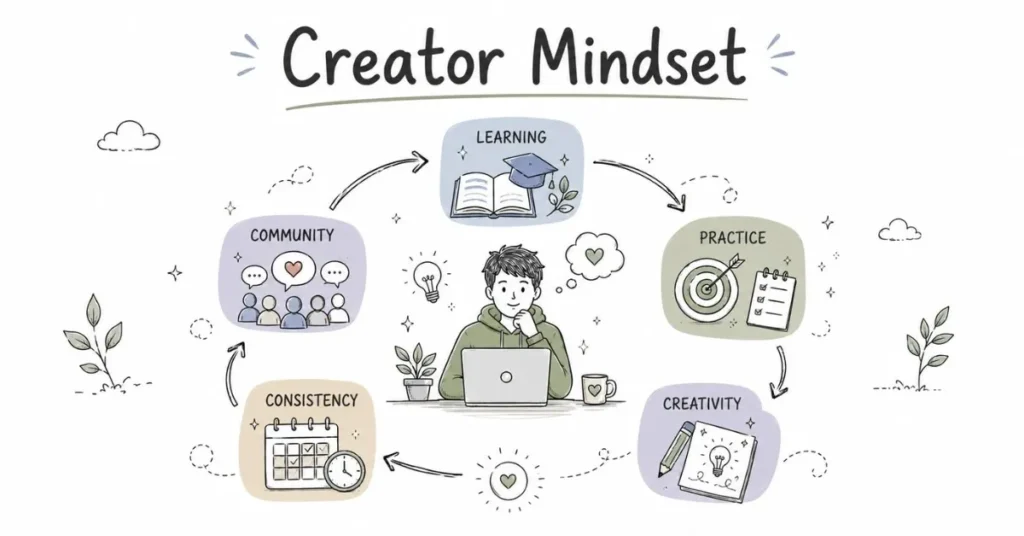
Study your analytics weekly. YouTube Studio shows you exactly which videos people watched, how long they stayed, and where they dropped off. One hour of analytics review per week tells you more about what to make next than any course on content strategy.
Watch your own videos critically. Most creators cannot sit through their own content. Force yourself to. Note every moment that feels slow, every section where you fumble, every thumbnail that does not match the video’s best moment. Then fix those things in the next video.
Build community before you have an audience. Start a Discord server at 100 subscribers, not 10,000. The people who join early become your most loyal viewers, your word-of-mouth engine, and your feedback loop for what content works.
Collaborate with creators at your level. Collaborations with creators who have similar audience sizes create genuine cross-audience discovery. The instinct to only collaborate with bigger creators rarely works they have nothing to gain. Creators your size are interested in mutual growth.
Treat the first year as a learning investment, not an income source. The creators who quit at month four were not failing they were in the normal growth phase and interpreted it as failure. The ones who built careers treated year one as the cost of tuition, not a job that should already be paying salary.
The Most Common Mistake: Chasing the Wrong Game
BGMI, Free Fire, Valorant, and GTA V have the largest Indian viewer bases. Many beginners start streaming those games purely because of their audience size even if they do not enjoy them.
The problem: competition in popular game categories is brutal. A new BGMI channel competes with hundreds of established creators with years of content and hundreds of thousands of subscribers.
The better approach: stream a game you genuinely love playing AND where you have a competitive skill edge. A smaller game with a passionate Indian community chess, strategy games, indie titles can build a loyal niche audience faster than a mediocre BGMI channel drowning in competition.
Authenticity is not a soft skill. In streaming, it is a growth strategy. Viewers can tell the difference between someone who loves what they are playing and someone performing enthusiasm for a popular game they find boring. The former builds communities. The latter churns viewers.