
CONTENT CREATION & DIGITAL MEDIA CAREERS
Table of Contents
Introduction
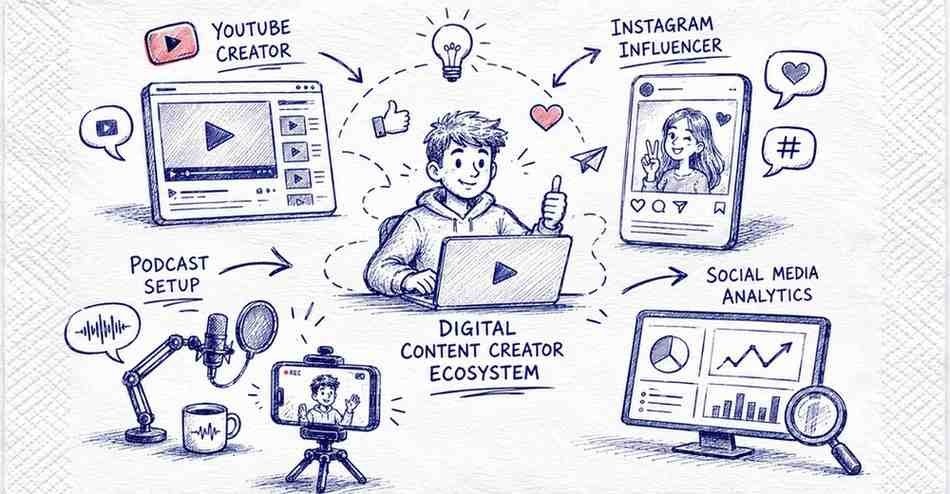
Imagine waking up each morning to create content about your passion—cooking, gaming, comedy, education, fashion, or technology. Your office is wherever you choose—your home studio, a coffee shop, or traveling locations. Your audience numbers in thousands or millions, engaging with your content, sharing their stories, and supporting your work financially. Your income comes from multiple streams—ad revenue, brand partnerships, affiliate marketing, and your own products or courses.
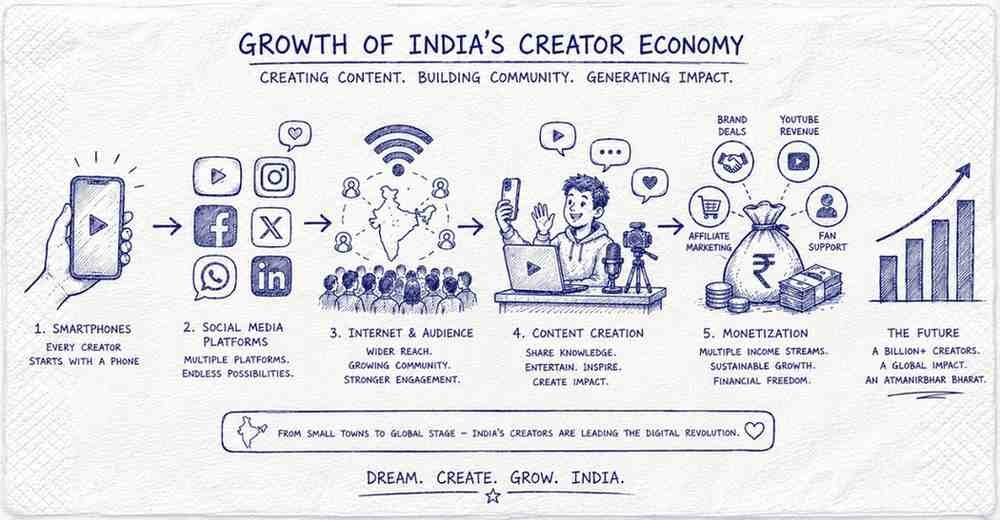
This isn’t fantasy—it’s the reality for thousands of digital content creators across India who’ve built sustainable careers on platforms like YouTube, Instagram, and other social media channels. The digital content creation industry in India is booming, with over 800 million internet users and rapidly growing consumption across all demographics. Content creators in India earn anywhere from ₹3-10 lakhs annually in employed positions, while successful independent creators earn significantly more through diversified income streams.
What makes this career path particularly exciting for young Indians is the democratic access. You don’t need film school degrees, expensive equipment, or industry connections to start. A smartphone, internet connection, and compelling ideas are enough to begin. Creators from tier-2 and tier-3 cities are building national and international audiences. Regional language content is thriving alongside English content. Niches from educational content to comedy, from tech reviews to spiritual guidance, from cooking to financial advice—all have found dedicated audiences.
This comprehensive guide explores digital content creation careers across platforms, content types, and monetization strategies. You’ll learn about YouTube content creation, Instagram influencing, podcast production, social media management, content strategy roles, and the practical skills, tools, and strategies needed to build sustainable careers in this dynamic field.
Understanding the Digital Content Ecosystem
The Shift to Digital Content Consumption
Traditional media consumption patterns have fundamentally transformed over the past decade. Indians increasingly consume content on smartphones rather than television, discover news and entertainment through social media rather than newspapers or TV channels, and follow individual creators rather than just established brands or celebrities.
This shift created opportunities for anyone with creativity, consistency, and understanding of platform algorithms. YouTube India has over 467 million users making it the largest market globally. Instagram boasts over 362 million Indian users, the largest country audience on the platform. These massive user bases create viable audiences for incredibly diverse content niches—from cooking in regional languages to tech tutorials, from comedy sketches to meditation guides, from financial literacy to gaming streams.
The democratization of content creation means barriers to entry are lower than ever before. Traditional media required gatekeepers—producers, editors, and executives who decided which voices reached audiences. Digital platforms let audiences decide directly. If your content resonates, algorithms amplify it regardless of your background, location, or formal credentials.
Types of Digital Content Creators
Digital content creation encompasses diverse formats and specializations.
Video creators produce content primarily for YouTube, Instagram Reels, or emerging short-form platforms. This includes long-form educational content, vlogs documenting daily lives, entertainment sketches, product reviews, tutorial videos, or documentary-style explorations. Video remains the highest-engagement content format.
Social media influencers build audiences across platforms—Instagram, Twitter, LinkedIn, or Facebook—sharing photos, short videos, stories, or written posts. They establish personal brands around lifestyles, expertise, or personalities that audiences want to follow and engage with.
Podcasters create audio content exploring topics through interviews, discussions, storytelling, or educational formats. Podcasting is growing rapidly in India as commuters, workers, and students adopt audio consumption habits.
Bloggers and writers create written content on websites, Medium, LinkedIn, or newsletters building audiences through articles, essays, how-to guides, or opinion pieces. While video dominates attention, quality writing still attracts dedicated audiences and monetizes well.
Live streamers broadcast in real-time on platforms like YouTube, Instagram, Twitch, or specialized gaming platforms, engaging directly with audiences during streams. Gaming content, educational streams, or entertainment broadcasts thrive in this format.
Platform Landscape in India
Different platforms serve different content types and audiences.
YouTube dominates long-form video content (8+ minutes) and serves audiences seeking in-depth tutorials, entertainment series, documentaries, or educational content. It offers the most established creator monetization program in India with clear revenue sharing.
Instagram excels at visual content—photos, short Reels (under 90 seconds), Stories, and increasingly long-form video. It’s particularly strong for lifestyle, fashion, food, travel, and personal brand building. Instagram’s algorithm favors consistent posting and high engagement.
LinkedIn has emerged as a powerful platform for professional content, career advice, industry insights, and B2B content. Thought leaders, educators, and professionals build influential followings sharing expertise.
Twitter/X serves news, real-time commentary, and conversation. Journalists, comedians, public figures, and thought leaders use Twitter building engaged communities through written posts and threads.
Emerging platforms like Instagram Threads, regional platforms, and niche communities continue emerging, creating early-adopter advantages for creators who establish presence quickly.
YouTube Content Creation Careers
Types of YouTube Channels and Content
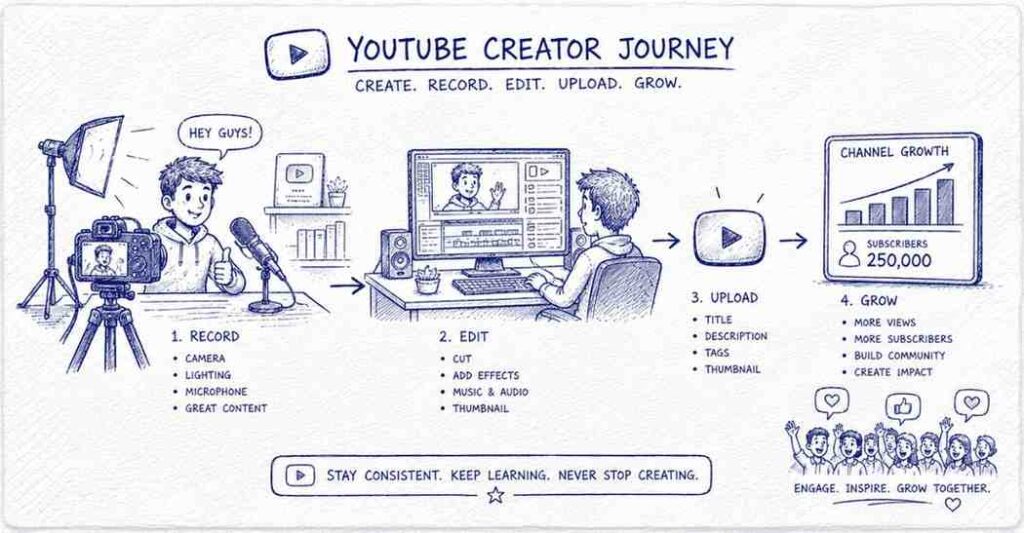
YouTube’s diversity allows creators to build channels around virtually any interest or expertise.
Educational content teaches skills, concepts, or knowledge—from academic subjects to professional skills, language learning to financial literacy. Educational creators like Khan Academy, Unacademy, Physics Wallah, and countless individual educators have built massive followings. Educational content performs particularly well in India where audiences actively seek learning resources.
Entertainment and comedy provides humor, sketches, parody, or storytelling. Creators like Ashish Chanchlani, Bhuvan Bam (BB Ki Vines), and Prajakta Koli (MostlySane) built multi-million subscriber channels through consistent entertaining content.
Tech reviews and tutorials cover gadgets, software, apps, and technology trends. Channels like Technical Guruji, Geeky Ranjit, and Trakin Tech serve India’s massive tech-interested audience.
Cooking and food content showcases recipes, cooking techniques, restaurant reviews, or food culture exploration. Channels in Hindi, Tamil, Telugu, and other regional languages thrive alongside English content.
Lifestyle and vlogging documents daily lives, travels, fashion, or personal journeys. Audiences connect with authentic personalities sharing their experiences.
Gaming content includes gameplay, walkthroughs, tips, game reviews, or live streaming. With India’s gaming industry exploding, gaming creators find growing audiences.
Finance and business advice educates audiences on investing, saving, entrepreneurship, or career development—meeting massive demand for financial literacy content.
YouTube Monetization: How Creators Earn
YouTube offers multiple revenue streams for creators who build consistent audiences.
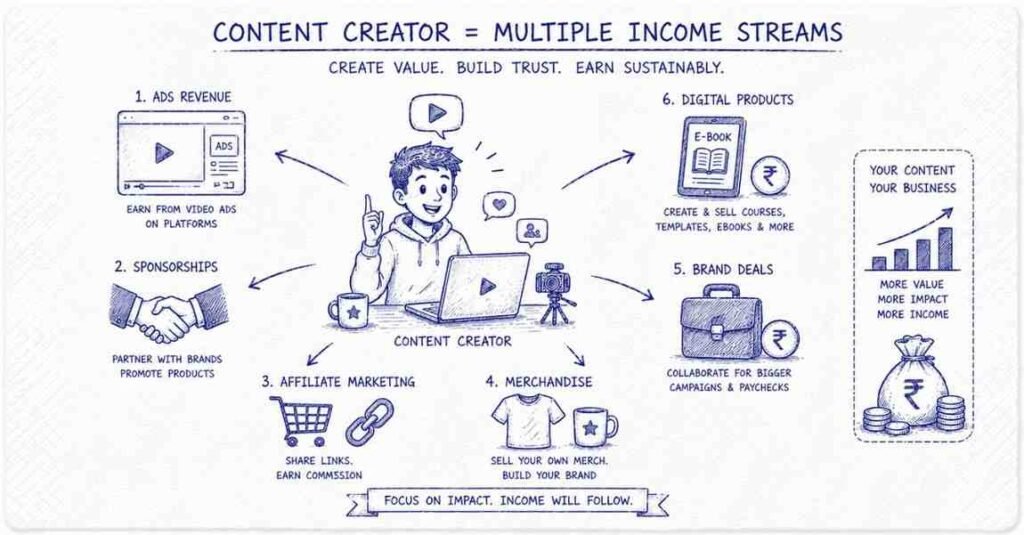
AdSense revenue is the most common monetization method. Once channels meet requirements (1,000 subscribers and 4,000 watch hours in the past year), they join the YouTube Partner Program earning money from ads displayed on videos. YouTube creators in India earn approximately ₹50-200 per 1,000 views depending on content niche, audience demographics, and ad engagement. This means a channel consistently getting 500,000 monthly views could earn ₹25,000-100,000 from ads alone.
However, earnings vary significantly by niche. Finance, technology, and business content attracts higher-paying ads (₹150-300 per 1,000 views) because advertisers pay more reaching those audiences. Entertainment or comedy content typically earns less per view (₹40-100 per 1,000 views) but often generates higher view counts compensating through volume.
Channel memberships let subscribers pay monthly fees (₹59-499) for exclusive perks like badges, emojis, members-only content, or community access. This works well for creators with highly engaged communities.
Super Chat and Super Thanks allow viewers to pay to highlight messages during live streams or on videos, creating direct audience-to-creator revenue.
Brand sponsorships and integrations often become the largest revenue source for established creators. Brands pay creators to feature products, create dedicated videos, or mention brands within content. Rates vary enormously based on channel size, niche, and engagement. Creators with 100,000-500,000 subscribers might charge ₹50,000-3 lakhs per integration. Mega creators with millions of subscribers command ₹5-20+ lakhs per sponsorship.
Affiliate marketing earns commissions when audiences purchase products through creator links. Tech reviewers, product recommenders, and educators commonly use affiliate marketing supplementing other income streams.
Merchandise and digital products let creators sell physical merchandise (t-shirts, accessories) or digital products (courses, ebooks, templates) directly to audiences. Successful educational creators often earn more from courses than ads.
Skills Required for YouTube Success
Content ideation and scripting: Successful creators consistently generate relevant, engaging content ideas that audiences want to watch. Understanding what questions your audience has, what problems they face, or what entertains them drives ideation. Scripting or outlining content ensures coherent delivery.
Video production skills: At minimum, you need basic camera operation (even smartphone cameras), lighting fundamentals, and decent audio recording. As channels grow, investing in better cameras, microphones, and lighting improves production value. However, content quality and authenticity matter more than expensive equipment.
Video editing: Editing transforms raw footage into engaging videos. Skills include cutting footage, adding graphics and text overlays, incorporating b-roll, adjusting audio, color correcting, and creating thumbnails. Software like Adobe Premiere Pro, Final Cut Pro, or DaVinci Resolve serve professional creators, while simpler tools like iMovie or mobile apps work for beginners.
Thumbnail and title creation: YouTube success depends heavily on click-through rates—how many people click your videos when they see them. Compelling thumbnails (custom images representing videos) and titles (clear, intriguing, keyword-optimized) dramatically affect performance. Understanding visual design and copywriting helps.
SEO and platform understanding: YouTube functions as a search engine. Understanding keyword research, optimizing titles/descriptions/tags, and creating content answering search queries helps videos reach audiences. Additionally, understanding how YouTube’s recommendation algorithm works—favoring watch time, engagement, and click-through rates—guides strategy.
Consistency and discipline: Successful channels publish consistently—weekly, bi-weekly, or at regular intervals. Building audiences requires sustained effort over months or years, not viral hits. Consistency demands discipline, content planning, and workflow efficiency.
Audience engagement: Responding to comments, creating community posts, and incorporating audience feedback builds loyal communities. Engaged audiences share content, defend creators, and provide steady viewership.
Career Progression as a YouTube Creator
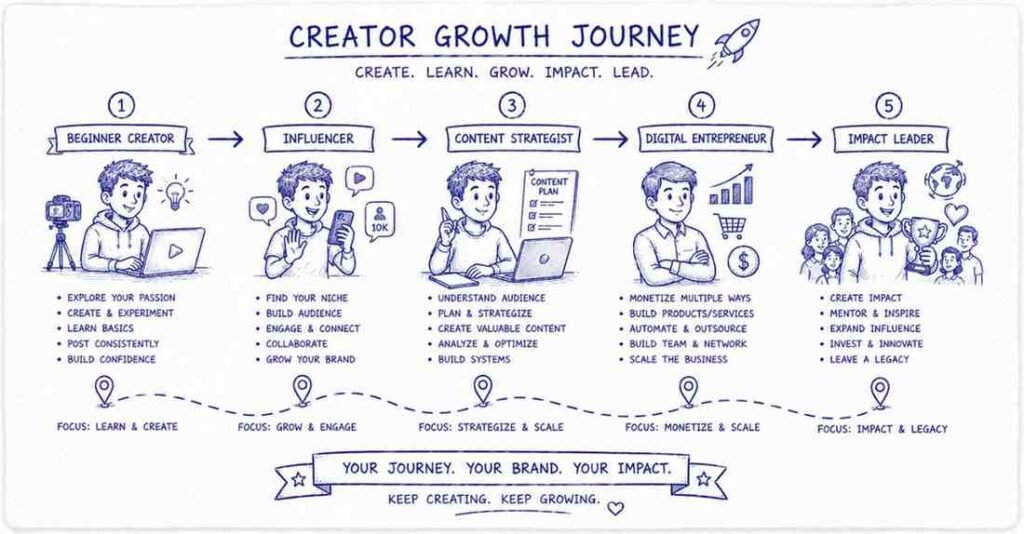
Phase 1: Foundation (0-10,000 subscribers): Focus on finding your niche, developing your voice and style, improving production quality through practice, and understanding what resonates with audiences. Expect minimal earnings but maximum learning. This phase typically lasts 6-18 months of consistent posting.
Phase 2: Growth (10,000-100,000 subscribers): Refine successful content formats, maintain consistency, cross-promote on other platforms, collaborate with similar-sized creators, and begin securing small sponsorships. YouTube ad revenue becomes meaningful supplemental income.
Phase 3: Established Creator (100,000-1 million subscribers): Content creation becomes viable full-time work. Brand partnerships increase in value and frequency. Explore diversifying income through merchandise, courses, or other products. Consider hiring help—editors, thumbnail designers, or assistants—to scale production.
Phase 4: Major Creator (1 million+ subscribers): Significant income from multiple streams. Opportunity to expand into related businesses, launch production companies, develop products, or leverage influence for larger projects. Many major creators earn crores annually.
Challenges and Realities
Inconsistent income: Early-stage creators earn little or nothing. Even established creators experience income fluctuations based on views, ad rates, and sponsorships. Financial planning and emergency funds are crucial.
Algorithm dependency: Platform algorithm changes can dramatically affect reach and income overnight. Successful creators diversify across platforms reducing dependency on any single algorithm.
Burnout risk: Constant content creation, performance pressure, and audience expectations can lead to burnout. Successful long-term creators pace themselves, take breaks, and maintain boundaries.
Privacy and public scrutiny: Growing audiences bring loss of privacy, online criticism, trolling, and sometimes harassment. Developing thick skin and knowing when to ignore versus address criticism becomes necessary.
Instagram Content Creation & Influencer Marketing
Building an Instagram Presence
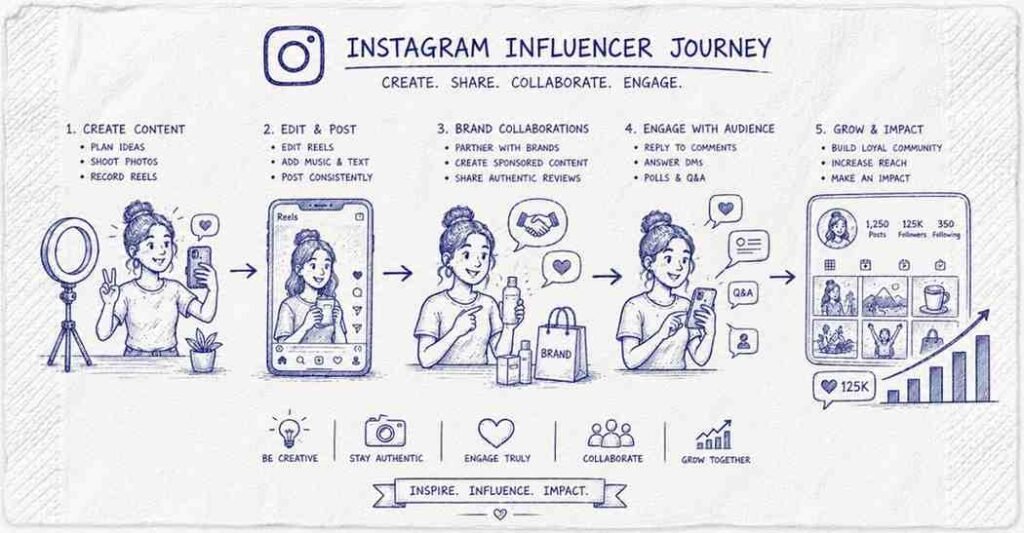
Instagram’s visual-first platform rewards aesthetic consistency, personality, and engagement-focused content.
Content pillars: Successful Instagram creators typically focus on 3-4 content themes creating coherent feeds. A fashion influencer might post outfit inspiration, styling tips, fashion news, and personal stories. A food creator might share recipes, restaurant reviews, cooking techniques, and ingredient explorations. Consistent themes help audiences know what to expect.
Feed vs. Reels vs. Stories: Instagram offers multiple content formats. Feed posts (photos or videos up to 90 seconds) serve evergreen content with lasting value. Reels (short-form videos up to 90 seconds) drive discovery as Instagram pushes them heavily in algorithm. Stories (24-hour temporary content) build intimacy and daily engagement with existing followers. Successful creators balance all three formats strategically.
Visual aesthetics: Instagram rewards visual appeal. Developing consistent editing styles, color palettes, or compositional approaches creates recognizable feeds that attract followers. This doesn’t require professional photography—smartphone cameras suffice with good lighting and composition—but intentionality matters.
Engagement tactics: Instagram’s algorithm heavily weights engagement (likes, comments, shares, saves). Asking questions in captions, creating shareable or saveable content (tips, quotes, infographics), responding to comments quickly, and engaging with other creators’ content all boost algorithmic favor.
Instagram Monetization Strategies
Sponsored posts and brand partnerships: This represents the primary income source for Instagram influencers. Brands pay creators to feature products in feed posts, Reels, or Stories. Rates vary dramatically based on follower count, engagement rate, and niche:
- Nano-influencers (1,000-10,000 followers): ₹500-8,000 per post
- Micro-influencers (10,000-50,000 followers): ₹3,000-25,000 per post
- Mid-tier influencers (50,000-500,000 followers): ₹15,000-1.5 lakhs per post
- Macro-influencers (500,000-1 million followers): ₹75,000-4 lakhs per post
- Mega-influencers (1 million+ followers): ₹1-8+ lakhs per post
Engagement rate matters as much as follower count. Micro-influencers with highly engaged communities often provide better brand value than mega-influencers with passive audiences.
Affiliate marketing: Sharing product links earning commissions on purchases works well for fashion, beauty, tech, and lifestyle creators. Instagram’s native affiliate tools and third-party platforms like Amazon Associates facilitate this.
Selling products or services: Many creators leverage Instagram audiences to sell their own products—physical goods, digital courses, consulting services, or experiences. Instagram Shopping features let creators tag products directly in posts.
Instagram bonuses: Instagram occasionally offers bonus programs rewarding Reels performance, though these are less consistent than YouTube’s Partner Program.
Skills for Instagram Success
Photography and visual storytelling: Understanding composition, lighting, and editing creates scroll-stopping content. Mobile editing apps like Lightroom, VSCO, or Snapseed improve photo quality.
Short-form video creation: Reels dominance requires comfort creating punchy, engaging short videos. Understanding trending audio, quick cuts, and hook-driven openings improves performance.
Copywriting: Instagram captions require concise, engaging writing that drives engagement. Strong captions complement visuals, tell stories, or prompt action.
Personal branding: Instagram success often depends on personality and authenticity. Finding your unique voice, perspective, or style helps you stand out in crowded niches.
Consistency and frequency: Instagram rewards frequent posting. Successful creators typically post 3-7 times weekly on feed/Reels plus daily Stories. Batch creating content and scheduling helps maintain consistency.
Community building: Responding to DMs and comments, creating interactive Stories, hosting Q&As, and making followers feel valued builds loyal communities that drive sustained growth.
Podcast Production Careers
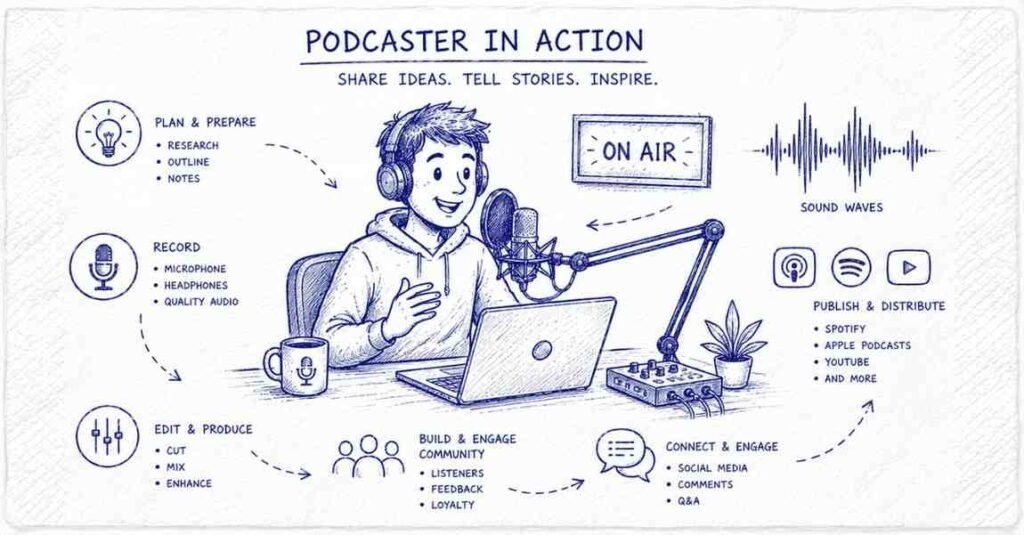
The Growing Podcast Market in India
Podcasting is experiencing rapid growth in India as commuters, workers, and students adopt audio content consumption habits. Podcast topics span comedy, true crime, business, self-improvement, storytelling, interviews, news analysis, and specialized interests.
Types of podcasts: Interview shows feature guests sharing expertise or stories. Solo commentary shares individual perspectives. Co-hosted conversation shows leverage dynamic chemistry between hosts. Narrative storytelling podcasts produce scripted, produced stories. Educational podcasts teach concepts or skills.
Podcast Monetization
Podcasting is experiencing rapid growth in India as commuters, workers, and students adopt audio content consumption habits. Podcast topics span comedy, true crime, business, self-improvement, storytelling, interviews, news analysis, and specialized interests.
Types of podcasts: Interview shows feature guests sharing expertise or stories. Solo commentary shares individual perspectives. Co-hosted conversation shows leverage dynamic chemistry between hosts. Narrative storytelling podcasts produce scripted, produced stories. Educational podcasts teach concepts or skills.
Skills for Podcasting
Audio production: Recording clean audio, editing episodes, mixing multiple tracks, and mastering final audio requires technical competence. Software like Adobe Audition, Audacity (free), or GarageBand works for podcasting.
Interview skills: Interview-based podcasts require asking insightful questions, active listening, guiding conversations naturally, and making guests comfortable sharing authentically.
Consistency: Successful podcasts maintain regular release schedules—weekly, bi-weekly, or consistent intervals—building audience habits.
Marketing and distribution: Creating compelling podcast artwork, writing searchable descriptions, promoting episodes on social media, and encouraging reviews helps podcasts grow.
Social Media Management Careers
What Social Media Managers Do
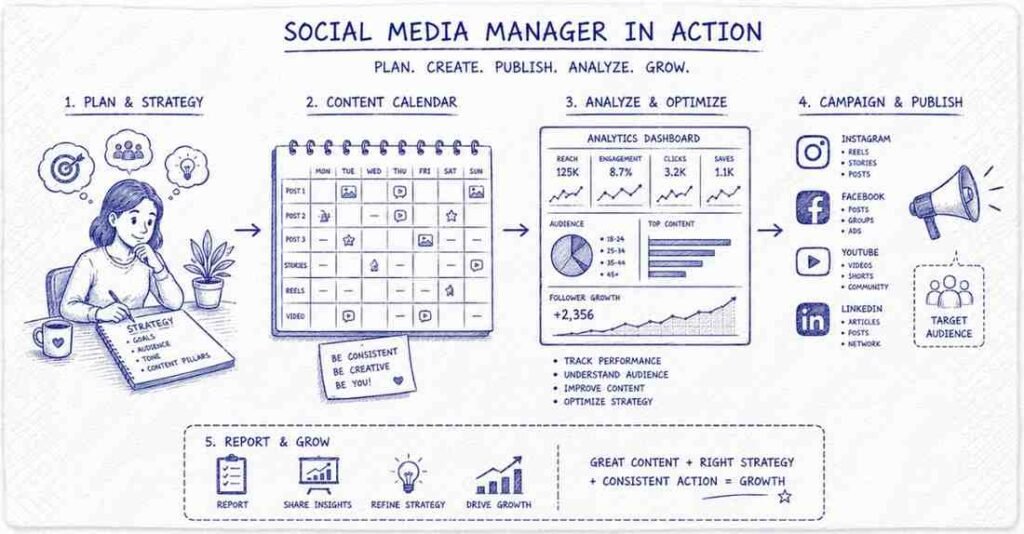
Social media managers handle brand presence across platforms for companies, organizations, or individual clients. This represents employed content creation roles offering stable salaries compared to independent creator uncertainty.
Responsibilities: They develop social media strategies aligned with business goals, create content calendars planning posts across platforms, produce or coordinate content creation (photos, videos, graphics, copy), schedule posts optimizing timing for engagement, respond to comments and messages managing community, analyze performance metrics reporting on results, and manage paid social advertising campaigns.
Where they work: Social media managers work for digital marketing agencies serving multiple clients, in-house at companies managing brand accounts, for startups or small businesses handling all digital presence, or as freelancers serving multiple clients independently.
Skills Required
Platform expertise: Deep understanding of multiple platforms—Instagram, Facebook, LinkedIn, Twitter, YouTube—including best practices, algorithm behavior, and audience expectations on each.
Content creation abilities: Basic photography, video editing, graphic design, and copywriting skills enable you to create platform-appropriate content or effectively brief creators.
Strategy and planning: Translating business objectives into social media tactics, planning content that advances goals, and thinking strategically about platform mix and content calendars.
Analytics and reporting: Understanding metrics (reach, engagement, conversions), using platform analytics and tools like Google Analytics, and communicating performance to stakeholders.
Community management: Responding professionally to comments including negative feedback, fostering positive community atmospheres, and managing crises when they arise.
Advertising knowledge: Understanding paid social advertising—targeting, budgeting, creative best practices, and optimization—increasingly falls under social media manager responsibilities.
Salary Expectations
Entry-level social media managers in India earn ₹1-2 lakhs annually. With 2-5 years experience, salaries rise to ₹3-6 lakhs annually. Experienced social media managers at agencies or larger organizations earn ₹6-12 lakhs annually. Senior managers or heads of social media at major companies can earn ₹15-25 lakhs annually.
Freelance social media managers charge retainers—typically ₹15,000-75,000 monthly per client depending on scope—potentially earning ₹3-10 lakhs annually or more with multiple clients.
Breaking Into Social Media Management
Build personal brand presence: Demonstrate social media competence through your own accounts. Growing even modest followings (1,000-5,000) with strong engagement proves capability.
Offer free or discounted services initially: Approach small businesses, startups, or nonprofits offering to manage social media at reduced rates building portfolio and testimonials.
Take relevant courses: Certifications from HubSpot, Meta Blueprint, Google Digital Garage, or Hootsuite validate skills to employers.
Internships and entry-level roles: Apply for social media internships at agencies or companies. Many permanent positions start as internships for proven performers.
Content Strategy & Digital Marketing Roles
Content Strategist
Content strategists plan comprehensive content approaches for organizations—determining what content to create, for which audiences, across which channels, and how it advances business goals.
Responsibilities: They conduct audience research understanding customer needs and preferences, develop content strategies aligned with marketing objectives, create editorial calendars coordinating content across teams, oversee content production ensuring quality and consistency, optimize content for SEO and platform algorithms, analyze content performance adjusting strategies, and manage content team workflows.
Skills required: Strategic thinking, understanding of SEO and content marketing, strong writing and editing abilities, project management skills, analytics competence, and cross-functional collaboration abilities.
Salary expectations: Content strategists earn ₹2.8-6 lakhs annually in India. Senior content strategists at larger organizations can earn ₹8-15 lakhs annually.
Digital Marketing Specialist
Digital marketing specialists manage broader online marketing including social media, content marketing, email marketing, SEO, and paid advertising for organizations.
Responsibilities: They plan integrated digital campaigns across channels, manage SEO optimization improving organic visibility, coordinate content creation and distribution, run paid advertising campaigns on Google and social platforms, manage email marketing campaigns, analyze marketing performance across channels, and optimize marketing funnels improving conversions.
Skills required: Comprehensive digital marketing knowledge across channels, analytics and data interpretation abilities, copywriting and content creation skills, technical competence with marketing tools and platforms, and strategic thinking connecting tactics to business results.
Salary expectations: Digital marketing specialists earn ₹2-7 lakhs annually depending on experience. Senior specialists and managers earn ₹8-18 lakhs annually at established organizations.
Essential Skills for All Digital Content Careers
Technical Skills
Content creation tools: Proficiency with relevant tools—video editing software (Premiere Pro, Final Cut, DaVinci Resolve), photo editing (Lightroom, Photoshop), graphic design (Canva, Illustrator), or audio editing (Audition, Audacity) depending on content format.
Platform mastery: Deep understanding of your primary platforms—how algorithms work, what content performs, technical requirements, and best practices.
Analytics competence: Ability to read platform analytics, Google Analytics, or social media insights understanding what metrics matter and how to improve them.
SEO fundamentals: Understanding keyword research, how to optimize content for discovery, and basic search engine mechanics helps content reach audiences.
Creative Skills
Storytelling: Ability to structure compelling narratives whether in 60-second videos, 10-minute YouTube videos, written posts, or podcast episodes.
Visual sense: Understanding composition, color, and visual appeal creates scroll-stopping content even with basic equipment.
Writing ability: Clear, engaging copywriting matters across formats—video scripts, Instagram captions, blog posts, or podcast show notes.
Ideation and creativity: Consistently generating fresh, relevant content ideas that audiences want to consume separates successful creators from those who run out of steam.Content creation tools: Proficiency with relevant tools—video editing software (Premiere Pro, Final Cut, DaVinci Resolve), photo editing (Lightroom, Photoshop), graphic design (Canva, Illustrator), or audio editing (Audition, Audacity) depending on content format.
Platform mastery: Deep understanding of your primary platforms—how algorithms work, what content performs, technical requirements, and best practices.
Analytics competence: Ability to read platform analytics, Google Analytics, or social media insights understanding what metrics matter and how to improve them.
SEO fundamentals: Understanding keyword research, how to optimize content for discovery, and basic search engine mechanics helps content reach audiences.
Business Skills
Personal branding: Developing distinctive voice, perspective, or style that makes you recognizable and attractive to audiences.
Networking and relationship building: Connecting with brands, fellow creators, and industry professionals creates collaboration opportunities and sponsorships.
Negotiation skills: Confidently negotiating rates with brands ensures fair compensation for your work and audience access.
Financial management: Tracking irregular income, managing taxes as self-employed creator, budgeting for equipment and expenses, and planning financially for income variability.
Project management: Juggling content creation, client work, administrative tasks, and personal life demands organizational systems and time management.
Building a Sustainable Content Creation Career
Phase 1: Foundation (Months 0-6)
Choose your niche: Select topics you’re genuinely interested in or knowledgeable about. Passion sustains you through the difficult early period. Ensure sufficient audience interest—niche enough to stand out but broad enough for viable audiences.
Set up accounts and equipment: Create professional accounts on your chosen platforms. Invest in basic equipment—decent microphone, basic lighting, and smartphone or entry-level camera. Start with what you have rather than waiting for perfect equipment.
Create consistently: Commit to regular posting schedules even when audiences are tiny. The first 50-100 pieces of content are learning—experimenting with formats, finding your voice, and improving production quality through repetition.
Learn continuously: Study successful creators in your niche, take free online courses, join creator communities, and deliberately practice improving weak skills.
Accept minimal results: Early growth is slow. First videos might get 50 views. First podcast episodes might have 10 downloads. This is normal. Focus on improvement rather than metrics.
Phase 2: Growth (Months 6-24)
Double down on what works: Analyze which content performs best. Create more of what resonates while maintaining overall consistency.
Improve production quality: Gradually upgrade equipment, editing skills, and production values as income allows and skills improve.
Optimize for platforms: Learn SEO, thumbnail creation, keyword optimization, and platform-specific best practices improving discoverability.
Begin monetization: Join partner programs once eligible, reach out to small brands for sponsorships even before large followings, and start affiliate marketing building additional income streams.
Cross-promote: Establish presence on multiple platforms. Drive YouTube viewers to Instagram, podcast listeners to YouTube, or blog readers to social media. Multi-platform presence reduces algorithm dependency.
Collaborate: Partner with similar-sized creators on joint content. Collaborations expose each creator to the other’s audience accelerating growth.
Phase 3: Sustainability (Year 2+)
Diversify income streams: Successful creators rarely depend solely on ad revenue. Combine platform monetization, sponsorships, affiliate marketing, products, services, or courses creating resilient income.
Invest in efficiency: Hire help—editors, thumbnail designers, assistants, or other contractors—freeing time for creation, strategy, and higher-value activities.
Build email lists or owned platforms: Platform algorithms change. Owning direct audience access through email lists, websites, or apps provides stability beyond platform dependency.
Expand strategically: Some creators expand into related businesses—production companies, product lines, media properties, or education platforms. Others deepen expertise building authority in specific areas. Choose expansion paths aligned with your interests and strengths.
Maintain wellbeing: Long-term success requires avoiding burnout. Set boundaries, take breaks, maintain non-work relationships and interests, and remember why you started creating.
Regional Language Content Opportunities
One of digital content creation’s most exciting developments in India is thriving regional language content. Creators producing Hindi, Tamil, Telugu, Malayalam, Marathi, Bengali, Kannabi, Gujarati, or other regional content often find less competition and highly engaged audiences compared to English content.
Regional audiences actively seek relatable content in mother tongues. From cooking channels explaining recipes in regional languages to comedy sketches reflecting local culture, from educational content making concepts accessible in regional languages to news commentary addressing regional issues—opportunities abound across India’s linguistic diversity.
This geographic and linguistic democratization means you can build successful content careers from anywhere in India without necessarily learning English or moving to metro cities. Some of India’s most successful creators are regional language creators serving specific state or language audiences.
Personal branding: Developing distinctive voice, perspective, or style that makes you recognizable and attractive to audiences.
Networking and relationship building: Connecting with brands, fellow creators, and industry professionals creates collaboration opportunities and sponsorships.
Negotiation skills: Confidently negotiating rates with brands ensures fair compensation for your work and audience access.
Financial management: Tracking irregular income, managing taxes as self-employed creator, budgeting for equipment and expenses, and planning financially for income variability.
Project management: Juggling content creation, client work, administrative tasks, and personal life demands organizational systems and time management.
Challenges in Digital Content Careers
Income Uncertainty
Unlike salaried employment, content creation income fluctuates unpredictably. Views vary month-to-month affecting ad revenue. Sponsorships come irregularly. Platform algorithm changes can halve earnings overnight. Building emergency funds covering 6-12 months expenses and diversifying income streams mitigates this uncertainty.
No Benefits or Security
Independent creators lack employer benefits—no health insurance, paid time off, retirement contributions, or job security. You’re responsible for your own taxes, insurance, and retirement planning. Some creators prefer employed social media or content roles for these benefits even if income ceilings are lower.
Constant Adaptation
Platforms change features and algorithms regularly. Trends shift. Audience preferences evolve. Successful creators continuously adapt rather than rigidly maintaining outdated approaches. This requires flexibility and lifelong learning.
Mental Health Challenges
Performance pressure, comparison to other creators, online negativity, privacy loss, and blurred work-life boundaries affect mental health. Building support systems, setting boundaries, taking breaks, and potentially working with therapists helps maintain wellbeing.
Saturation and Competition
More people pursue content creation yearly, increasing competition for attention. However, quality content, unique perspectives, and consistency still cut through noise. Saturation affects generic content most severely—specialized niches and authentic voices continue finding audiences.
Conclusion
Digital content creation offers accessible, flexible, and potentially lucrative careers for Indians with creativity, consistency, and strategic thinking. Whether building YouTube channels, Instagram influence, podcasts, blogs, or working as employed social media managers or content strategists, opportunities span platforms, formats, and niches. With content creators earning ₹3-10 lakhs in employed positions and successful independent creators earning significantly more through diversified income streams, the financial viability is real.
Success requires combining creative skills—storytelling, visual sense, writing—with technical competencies in production tools and platform understanding, plus business capabilities like personal branding, negotiation, and financial management. Start wherever you are with whatever equipment you have, create consistently despite initial small audiences, continuously improve through practice and learning, and strategically build toward sustainability through diversified income and multi-platform presence.
The Indian digital content landscape—with over 800 million internet users and rapidly growing consumption across all demographics—continues expanding. Regional language content thrives alongside English content. Niches from education to entertainment, from tech to spirituality all support creator communities. Your unique perspective, expertise, or personality can find its audience.
The question isn’t whether digital content creation is viable—thousands of successful Indian creators prove it is. The question is whether you’re willing to embrace the initial struggle, maintain consistency through slow early growth, continuously adapt to evolving platforms, and build resilient, diversified creator businesses rather than depending on single income streams. For those who do, digital content creation offers creative freedom, flexible lifestyles, and meaningful connections with audiences few traditional careers can match.