
COMPENSATION AND BENEFITS SPECIALIST CAREERS
Table of Contents

Every employee has one question that matters deeply: “Am I being paid fairly?” Behind the answer to that question stands a Compensation and Benefits (C&B) professional who has carefully analyzed market data, designed salary structures, and ensured internal equity across the organization. While most HR functions deal with the soft side of people management, C&B specialists work in the intersection of numbers, strategy, and fairness—making them some of the most analytically rigorous and highly compensated HR professionals.
If you’re the person who loves working with spreadsheets, finds satisfaction in solving complex analytical problems, enjoys the precision of numbers, and wants to make tangible impact on people’s financial wellbeing, Compensation and Benefits might be your ideal career path. This comprehensive guide explores what C&B professionals actually do, the technical and analytical skills required, realistic salary expectations in India, and how to build a successful career in this specialized, high-value HR domain.
What is Compensation and Benefits?
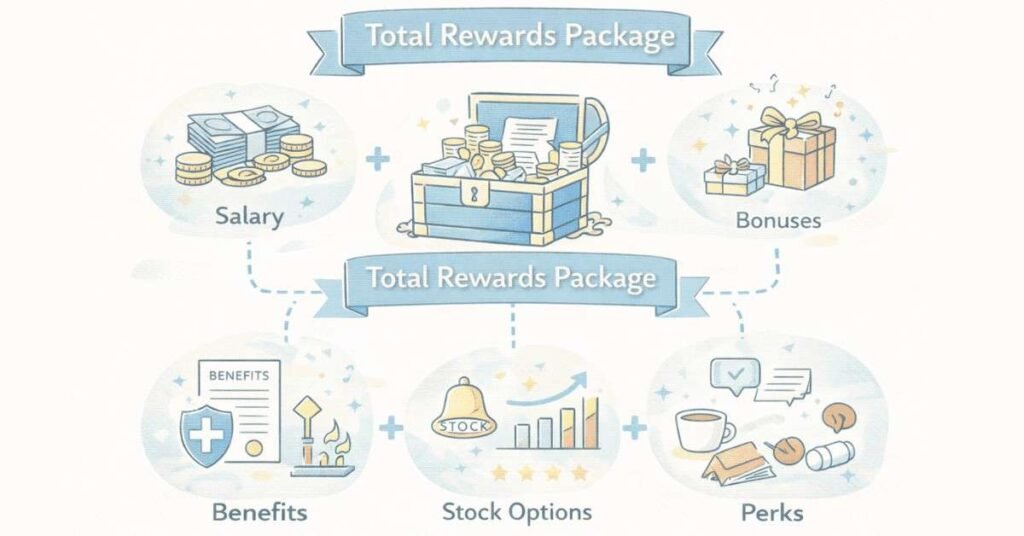
Compensation and Benefits (also called Total Rewards in some organizations) is the HR function responsible for designing, implementing, and managing all forms of employee compensation and benefits programs.
Compensation refers to all monetary payments employees receive including base salary or wages, variable pay and bonuses, commissions (for sales roles), incentive compensation, stock options and equity (in startups and public companies), allowances (housing, transportation, etc.), and overtime pay.
Benefits encompass non-wage compensation including health insurance (medical, dental, vision), retirement benefits (provident fund, gratuity, pensions), paid time off (vacation, sick leave, holidays), insurance (life insurance, accidental coverage), wellness programs, employee assistance programs (EAP), and perks (gym memberships, meal subsidies, work-from-home allowances).
C&B professionals ensure that compensation is competitive enough to attract and retain talent, fair and equitable across employees, aligned with organizational budget constraints, compliant with labor laws and regulations, and motivating appropriate employee behaviors and performance.
This balancing act—between external competitiveness and internal equity, between rewarding performance and controlling costs, between employee satisfaction and business sustainability—makes C&B both challenging and critically important to organizational success.
Why C&B is a Strategic Function
Unlike many HR areas perceived as administrative, Compensation and Benefits directly impacts the bottom line. Compensation typically represents 40-70% of an organization’s total operating expenses. A poorly designed compensation structure can lead to overpaying for certain skills (wasting money), underpaying for others (causing attrition and hiring failures), creating internal inequities that demotivate employees, encouraging wrong behaviors (poorly designed incentives), or exposing organizations to legal risks (pay discrimination claims).
Conversely, strategic C&B management attracts top talent by offering competitive packages, retains high performers through fair and rewarding compensation, motivates desired behaviors through well-designed incentives, controls costs by paying appropriately rather than excessively, creates competitive advantage through distinctive total rewards, and ensures compliance avoiding legal penalties.
This strategic importance explains why experienced C&B professionals earn premium salaries—their work directly influences organizational financial performance and talent outcomes.

The C&B Landscape in India
Understanding the Indian compensation context helps you navigate career opportunities:
Regulatory Complexity: India has intricate labor laws affecting compensation including Minimum Wages Act (state-specific minimum wages), Payment of Wages Act (timely payment requirements), Payment of Bonus Act (mandatory bonuses), Employee Provident Fund (EPF) contributions, Employee State Insurance (ESI) requirements, Gratuity regulations, Professional Tax (state-specific), and Income Tax (TDS on salaries).
C&B professionals must navigate this complexity ensuring organizational compliance. Mistakes can result in significant penalties and legal issues.
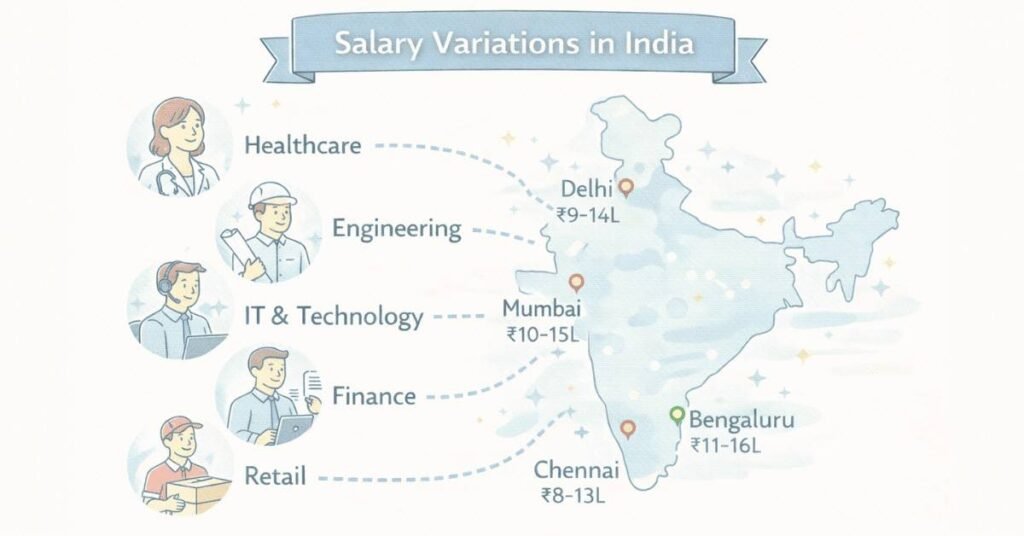
Market Dynamics: India’s talent market shows high variability in compensation across technology skills commanding 40-60% premiums over other functions, tier-1 versus tier-2/3 cities showing 30-50% salary differences, startups versus MNCs having different compensation philosophies (equity vs. cash-heavy), and rapid market movement in hot skills (data science, AI/ML, product management) requiring frequent adjustments.
Benefits Landscape: Employee benefits in India typically include statutory requirements (PF, ESI, gratuity), health insurance for employee and family, accidental and life insurance, paid leave (earned leave, casual leave, sick leave), and increasingly wellness programs, mental health support, and flexible benefits.
The benefits landscape is evolving with younger employees increasingly valuing flexibility, learning opportunities, and work-life balance benefits as much as traditional monetary compensation.
Equity Compensation Growth: India’s thriving startup ecosystem means more C&B professionals need expertise in Employee Stock Ownership Plans (ESOPs), understanding equity dilution, vesting schedules, and valuation, tax implications of equity compensation, and communicating equity value to employees.
This specialized knowledge is highly valued and relatively scarce, creating opportunities for C&B professionals who develop it.
Core C&B Responsibilities
What does compensation and benefits work actually involve? Let’s explore key responsibilities:
Market Research and Benchmarking
Understanding external market rates is fundamental to C&B work. You’ll participate in salary surveys conducted by consulting firms (Mercer, Aon, Willis Towers Watson), purchase market data from compensation databases, network with C&B peers at other companies for informal benchmarking, analyze job postings and published salary data, and monitor compensation trends in your industry and region.
Market research helps you answer questions like “What should we pay a senior data scientist in Bangalore?” or “Are we competitive for sales manager compensation?” This data informs all compensation decisions.
Indian Context: Major salary survey providers in India include Mercer, Aon Hewitt, Willis Towers Watson, Korn Ferry, and Michael Page. Participating in these surveys (sharing your data to receive aggregated market data) is essential for benchmarking.

Salary Structure Design
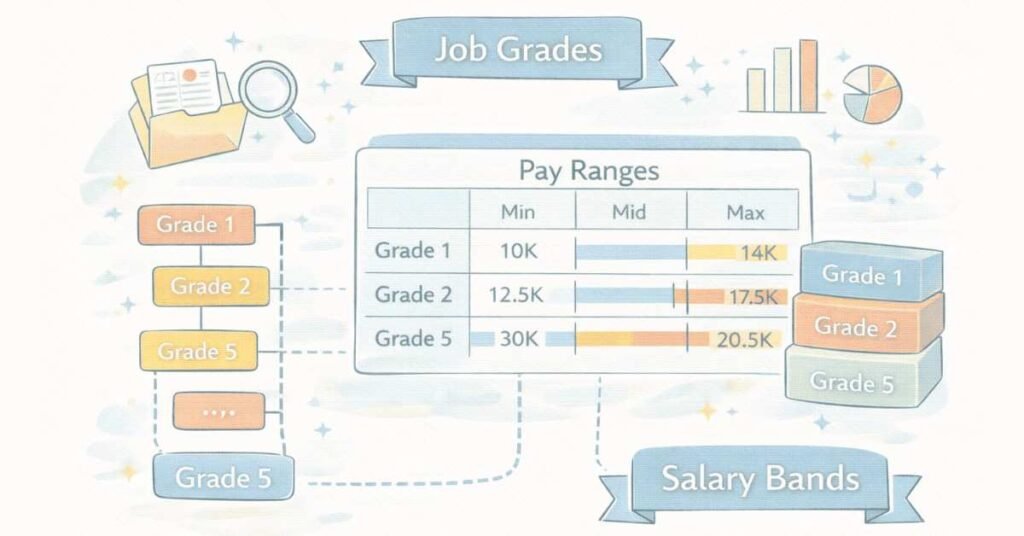
You design the architecture of how your organization pays people including creating job levels and grades (organizing similar roles into pay grades), defining salary ranges for each grade (minimum, midpoint, maximum), establishing pay progression guidelines (how people move through ranges), designing band overlaps and gaps, and determining how geographic location affects pay.
Well-designed structures ensure internal equity (people in similar roles with similar performance earn similar amounts) while providing flexibility for individual differences in experience and performance.
Example: You might design a structure with 10 salary grades covering all roles from entry-level to directors. Each grade has a salary range (e.g., Grade 5: ₹8-12 lakhs annually) with midpoint representing market rate (₹10 lakhs). Employees enter at 80-100% of midpoint depending on experience, and can progress to 110-120% of midpoint for exceptional performance.
Job Evaluation and Leveling
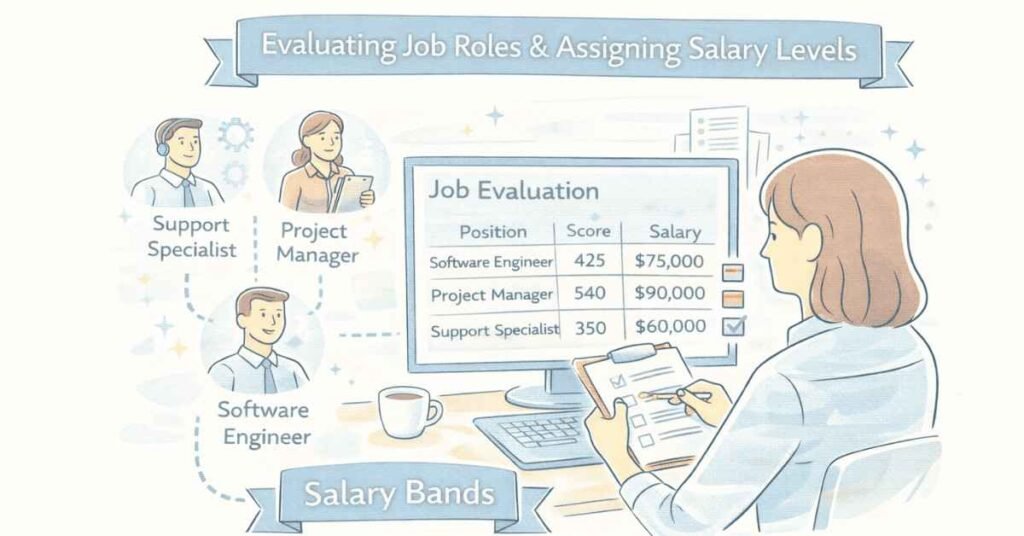
You ensure roles are classified and leveled consistently through conducting job analyses to understand role requirements, evaluating jobs using point-factor systems or market pricing, determining appropriate grade/level for each position, handling job leveling disputes and requests for upgrades, and ensuring consistency in how similar jobs are treated.
Job evaluation prevents the common problem where similar roles are inconsistently graded, creating perceived unfairness and compensation complaints.
Individual Compensation Decisions
You advise managers on specific compensation decisions including new hire offer recommendations based on market data and internal equity, promotion salary increases aligned with new responsibilities, merit increase recommendations based on performance, compression and equity adjustments when market rates increase faster than existing salaries, and retention adjustments for high-flight-risk employees receiving external offers.
These decisions require balancing multiple considerations—what’s market-competitive, what’s internally fair, what the budget allows, and what motivates the individual employee.
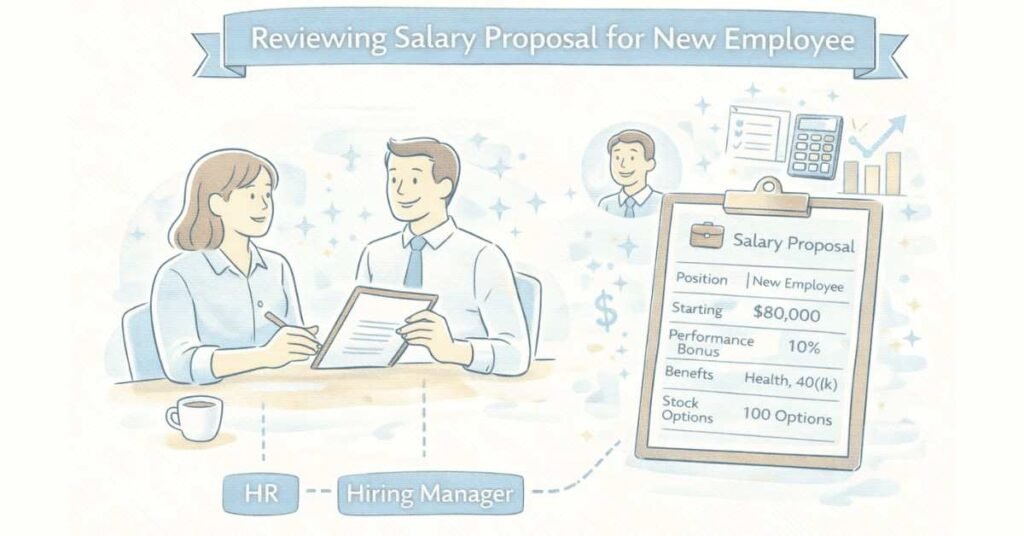
Variable Pay and Incentive Design
Beyond base salary, you design performance-based compensation including annual bonus programs (target bonuses, performance metrics, payout curves), sales commission structures, project completion bonuses, retention bonuses for critical roles or periods, spot awards and recognition programs, and long-term incentives (especially for senior leaders).
Incentive design is part science and part art. Poorly designed incentives motivate unintended behaviors (think Wells Fargo’s fake accounts scandal driven by aggressive sales incentives). Well-designed incentives align employee actions with organizational goals.

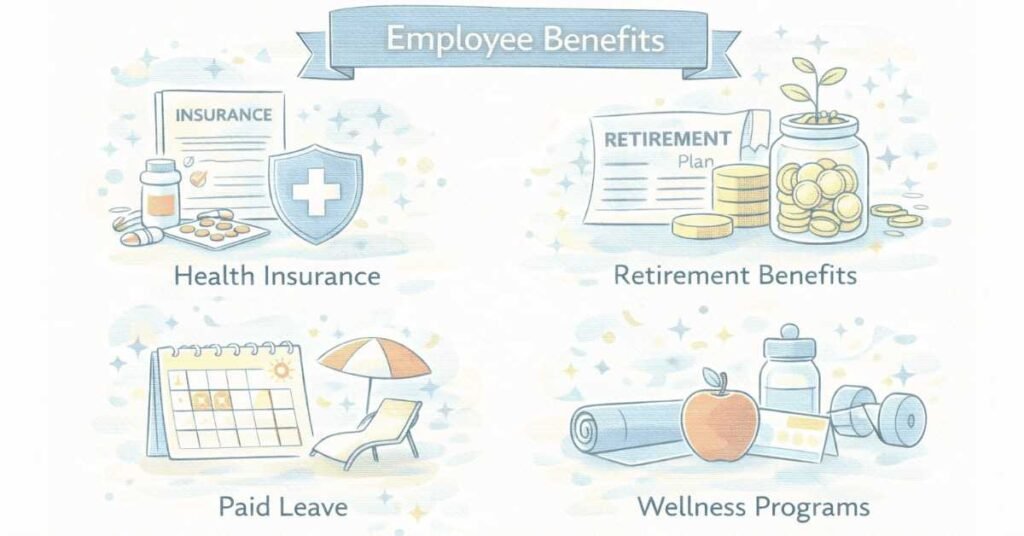
Benefits Program Management
You design and administer employee benefits programs including selecting health insurance providers and plans, managing provident fund and retirement benefits, designing paid time off policies, coordinating life and accidental insurance, implementing wellness programs, managing leave administration systems, and communicating benefits to employees.
Benefits management involves significant vendor relationships—insurance brokers, third-party administrators (TPAs), PF consultants—requiring negotiation and management skills.
Cost Management: Benefits costs can spiral if not carefully managed. You’ll analyze claims data, negotiate with providers, design cost-sharing mechanisms (co-pays, deductibles), and find ways to maintain benefits quality while controlling expenses.
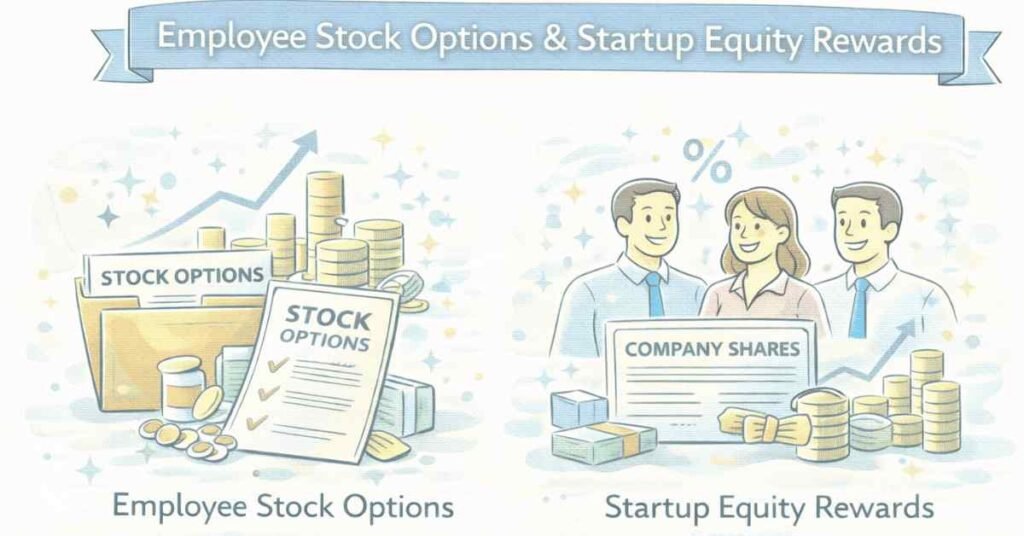
Equity Compensation Administration (Startups/Public Companies)
If you work in startups or publicly traded companies, you’ll manage employee stock options and equity including designing ESOP policies and plans, determining option grants for roles and levels, managing vesting schedules and administration, handling equity for departing employees, communicating equity value and tax implications, and coordinating with legal and finance on compliance.
Equity compensation is complex—involving legal, tax, and valuation considerations. C&B professionals with this expertise are highly sought after in India’s booming startup ecosystem.
Compensation Governance and Planning
You manage the annual compensation planning process including developing compensation budgets and increase pools (typically 8-12% of payroll), allocating budgets across departments, coordinating merit increase processes, managing promotion cycles and associated increases, modeling cost implications of compensation decisions, and reporting compensation expenses to finance and leadership.
Annual compensation planning is a massive project typically consuming 2-3 months of intensive work including data gathering, analysis, manager training, system configuration, and execution.[

Compliance and Reporting
You ensure compensation practices comply with regulations through staying current on labor law changes affecting pay, ensuring minimum wage compliance across locations, managing EPF, ESI, and gratuity compliance, coordinating income tax deductions (TDS), addressing pay equity and non-discrimination requirements, preparing statutory reports and filings, and defending compensation decisions in disputes or audits.
Compliance work isn’t glamorous but is critically important. Non-compliance exposes organizations to penalties, legal actions, and reputational damage.
Compensation Analytics and Reporting
You provide insights through data analysis including tracking compensation metrics (compa-ratio, range penetration, pay equity), analyzing compensation effectiveness and competitiveness, identifying trends and patterns in pay data, creating dashboards and reports for leadership, benchmarking against market and industry standards, and forecasting compensation costs under different scenarios.
Strong analytical capabilities distinguish good C&B professionals from great ones. Leaders increasingly expect data-driven recommendations backed by rigorous analysis.
A Day in the Life of a C&B Analyst
What does this look like practically? Let’s walk through a typical day:
Morning (9:00 AM – 12:00 PM): Your day starts with an urgent request from the CTO who received a resignation from a critical senior engineer. She’s asking for approval to make a counter-offer. You pull the employee’s current compensation data—he’s earning ₹22 lakhs, which your analysis shows is at the 60th percentile of market (slightly above average). You review similar roles in the company to check internal equity. After considering market data, internal comparisons, budget implications, and retention risk, you recommend a counter-offer of ₹25 lakhs, which you feel is the maximum justifiable amount.
You spend an hour working in Excel on next quarter’s merit increase planning. You’re modeling different scenarios—if the company allocates 8% versus 10% versus 12% for merit increases, what’s the budget impact? How much should high performers receive versus average performers? You build financial models showing the cost implications and prepare a presentation for leadership.
You meet with your manager to review salary survey results that just arrived. You’re analyzing how your organization’s compensation compares to market across different roles and levels. Some concerning trends emerge—your engineering salaries are falling behind market (10-15% below median), which explains recent attrition. However, your sales compensation is significantly above market. You discuss implications and recommendations for adjustments.
Midday (12:00 PM – 2:00 PM): Over lunch, you review compensation-related questions submitted to the HR helpdesk. An employee is asking why her salary increased only 3% despite a strong performance rating. You draft a response explaining that while her performance was strong, she’s already paid at the 75th percentile of market (well above average for her role and experience), so increases focus on maintaining that position rather than further advancement.
After lunch, you have a meeting with the Talent Acquisition team. They’re struggling to close a product manager candidate who has received multiple offers. You review the proposed compensation package—₹28 lakhs base plus ₹5 lakhs bonus target plus 0.15% equity. Based on market data and the candidate’s experience, you approve this package as competitive and within budget guidelines.
Afternoon (2:00 PM – 6:00 PM): You spend two hours building a new commission structure for the sales team. The current structure isn’t motivating the right behaviors—reps focus on closing small deals quickly rather than pursuing strategic enterprise accounts. You design a new structure that weights larger deals more heavily and includes quarterly accelerators for exceeding targets. This requires modeling different scenarios to ensure the structure is both motivating and financially sustainable.
You meet with the finance team to discuss benefits costs. Health insurance claims have increased 25% over last year, and the insurance provider is proposing a 30% premium increase for renewal. This is unsustainable. You discuss options—switching providers, increasing employee co-pays, implementing wellness programs to reduce claims, or negotiating with the current provider. You’ll need to analyze trade-offs and present recommendations.
You review and approve three job re-leveling requests where managers believe roles should be upgraded to higher grades. For each, you review the job description, compare to benchmark data, and assess internal consistency. You approve one where responsibilities genuinely increased, partially approve another suggesting a mid-grade increase rather than full two-grade jump requested, and decline the third where the role hasn’t meaningfully changed.
Late Afternoon (4:30 PM – 6:00 PM): Before ending your day, you update your compensation dashboard tracking key metrics—average salary increases year-over-year, compa-ratio (actual pay versus midpoint) by department, promotion rates, and geographic pay differentials. You notice the engineering department’s compa-ratio has dropped from 1.05 to 0.98 over six months, confirming they’re falling behind market.
You respond to emails including questions from managers about compensation guidelines, requests for market data from recruiters, and coordination with payroll on processing approved increases.
This represents a moderately busy day. Some days are consumed by annual compensation planning activities. Other days involve deep analytical projects like redesigning the entire salary structure or conducting pay equity analyses. The work blends analytical rigor with business judgment.

Essential Skills for C&B Success
What capabilities distinguish successful compensation professionals?
Advanced Excel and Analytical Skills
Compensation work lives in Excel. You need mastery of advanced formulas (VLOOKUP, INDEX/MATCH, SUMIFS, array formulas), pivot tables for analyzing large datasets, data modeling and scenario analysis, statistical functions for percentiles, distributions, and regression, financial functions for present value and cost calculations, macros and VBA for automation (advanced users), and data visualization through charts and graphs.
Many C&B professionals spend 50-60% of their time in Excel conducting analyses, building models, and preparing reports. Excel proficiency isn’t optional—it’s the fundamental tool of the trade.
Statistical Knowledge
Understanding statistics helps you analyze compensation data properly including percentiles and quartiles (median, 25th, 75th, 90th percentile), normal distributions and standard deviations, regression analysis to understand relationships between variables, statistical significance and confidence intervals, correlation versus causation, and interpreting survey data and sampling considerations.
You don’t need a statistics degree, but comfort with basic statistical concepts prevents common analytical mistakes and helps you interpret market data correctly.
Financial Acumen
C&B directly impacts organizational finances, requiring understanding of budgeting and forecasting principles, cost modeling and scenario analysis, present value and time value of money concepts, P&L impact of compensation decisions, equity dilution and valuation (for startups), return on investment (ROI) calculations, and how compensation appears in financial statements.
Business leaders speak the language of finance. C&B professionals who can translate compensation recommendations into financial terms gain credibility and influence.
Market Knowledge and Compensation Principles
Effective C&B work requires deep understanding of market pricing methodologies and best practices, job evaluation systems (point-factor, market pricing, classification), pay-for-performance philosophies and approaches, compensation mix strategies (base versus variable), geographic pay differentials and cost-of-labor adjustments, industry-specific compensation norms, and total rewards strategies beyond just base salary.
This knowledge typically develops through experience, certifications, and continuous learning from compensation resources and peers.
Legal and Regulatory Knowledge
C&B must ensure compliance with regulations including Indian labor laws (Minimum Wages, Payment of Wages, Bonus Act, Payment of Gratuity), statutory contributions (EPF, ESI requirements), equal pay and non-discrimination laws, tax regulations affecting compensation (TDS, perquisites), overtime regulations and exemptions, state-specific labor laws and professional tax, and documentation requirements for compliance.
Legal knowledge prevents costly mistakes and protects organizations from liability.
Communication and Consulting Skills
Despite being analytical, C&B requires strong communication to explain complex compensation concepts to non-specialists, present recommendations to senior leadership persuasively, consult with managers on compensation decisions, handle difficult conversations about pay decisions, write clear compensation policies and guidelines, and respond to employee questions about pay with transparency and tact.
Technical expertise alone isn’t enough. You must translate analytical insights into understandable recommendations that stakeholders accept and implement.
Business Acumen and Strategic Thinking
Strategic C&B professionals understand how their organization makes money and competes, which capabilities are strategically critical (deserving premium pay), how compensation aligns with and drives business strategy, workforce planning and future talent needs, organizational culture and what compensation approaches fit, and how to balance competing priorities (cost control, competitiveness, fairness, motivation).
Moving from tactical C&B analyst to strategic total rewards leader requires developing business perspective beyond compensation expertise.
Attention to Detail and Accuracy
Compensation mistakes can be costly and damaging. You need meticulous accuracy in data and calculations, thorough documentation of decisions and rationale, systematic approaches to complex processes, quality control checks before finalizing recommendations, and careful review to catch errors before they reach employees or leadership.
A single decimal point error in a bonus calculation formula can cost lakhs of rupees. Systematic accuracy is non-negotiable in C&B work.
Project Management
C&B professionals manage complex, multi-stakeholder projects including annual compensation planning cycles, benefits plan implementations, salary structure redesigns, system implementations (HRIS, compensation planning tools), compliance audits and remediation, and market pricing projects across hundreds or thousands of jobs.
These projects require planning, coordination, timeline management, stakeholder communication, and execution excellence.
Career Progression in Compensation and Benefits
Understanding the typical C&B career trajectory helps you plan professional development:
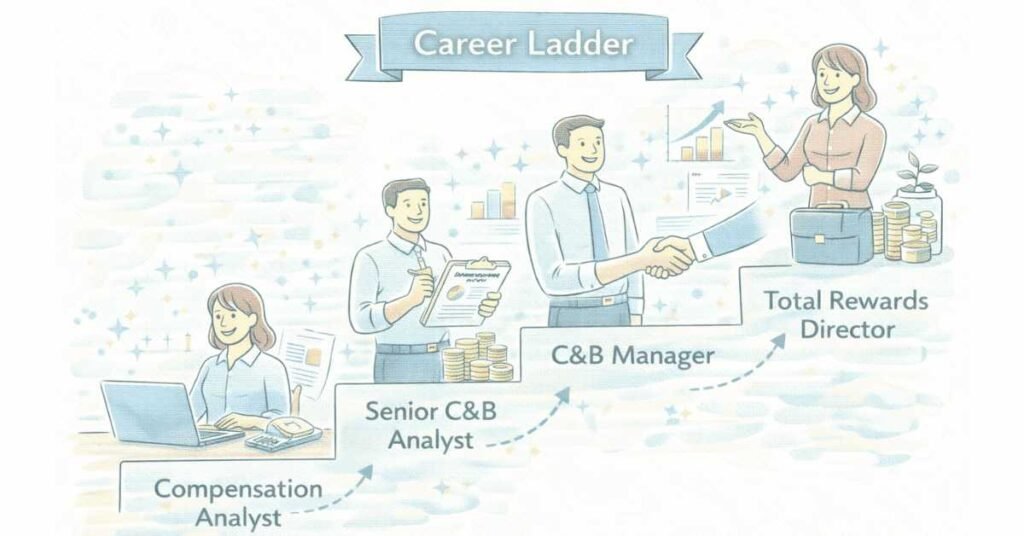
Entry Level: Compensation Analyst / Benefits Analyst (0-3 Years)
Salary Range: ₹3-6 lakhs annually (₹25,000-50,000 monthly)
Responsibilities: At this level, you support senior C&B professionals by maintaining compensation data and databases, participating in salary surveys (entering company data), conducting market research and compiling data, processing salary changes and approvals, preparing reports and analyses with guidance, supporting benefits enrollment and administration, responding to routine employee compensation inquiries, and maintaining documentation and records.
This role teaches C&B fundamentals and builds analytical skills. Focus on mastering Excel, understanding compensation principles, and learning from experienced colleagues.
Early Career: Compensation Specialist / Senior Analyst (3-6 Years)
Salary Range: ₹6-12 lakhs annually
Responsibilities: You now handle more complex work independently including conducting job evaluations and market pricing, making new hire offer recommendations, analyzing compensation data and identifying trends, supporting annual merit and bonus planning, administering benefits programs and vendor relationships, participating in salary structure design, conducting compensation audits for compliance and equity, and handling more complex employee and manager inquiries.
You’re building credibility as a capable C&B professional who can be trusted with important analysis and recommendations.
Mid-Career: Senior Compensation Specialist / C&B Analyst (6-10 Years)
Salary Range: ₹10-18 lakhs annually
Responsibilities: As a senior specialist, you own significant C&B areas including leading annual compensation planning processes, designing incentive and variable pay programs, managing equity compensation programs, conducting comprehensive market analyses and surveys, partnering with business leaders on compensation strategy, designing and implementing salary structures, leading complex C&B projects, mentoring junior analysts, and serving as subject matter expert for your areas.
You’re recognized as a C&B expert who can handle sophisticated compensation challenges.
Management: Compensation and Benefits Manager (10-14 Years)
Salary Range: ₹14-25 lakhs annually
Responsibilities: You transition to people management and strategic leadership including leading a C&B team (typically 2-5 people), developing compensation strategy aligned with business objectives, managing total rewards budget and investments, overseeing all compensation and benefits programs, partnering with senior business and HR leaders, selecting and managing C&B vendors and consultants, ensuring compliance across all C&B practices, representing C&B in leadership discussions, and reporting C&B metrics and outcomes.
This level requires developing leadership capabilities beyond C&B technical expertise.
Senior Management: Senior C&B Manager / Total Rewards Manager (14-18 Years)
Salary Range: ₹20-35 lakhs annually
Responsibilities: You lead compensation and benefits for large organizations or complex business units including developing organization-wide total rewards strategy, designing innovative compensation approaches for competitive advantage, managing large C&B teams or multiple teams, driving pay equity and fairness initiatives, representing total rewards at executive level, managing significant budgets (often hundreds of crores in total compensation), influencing organizational culture through rewards strategy, and serving as external representative at conferences or surveys.
You’re a strategic leader whose decisions affect thousands of employees’ compensation.
Executive: Director of Total Rewards / VP of Compensation (18+ Years)
Salary Range: ₹28-50+ lakhs annually, significantly higher in large MNCs and high-growth tech companies
Responsibilities: As the most senior C&B leader, you own total rewards philosophy and strategy, partner with C-suite and board on compensation matters (including executive compensation), design rewards strategies driving business results, lead large total rewards organizations, manage massive compensation budgets, ensure global consistency for multinational companies, drive innovation in rewards approaches, and own all compensation and benefits outcomes.
In some organizations this is titled Chief Rewards Officer or VP of Total Rewards, reflecting strategic importance. This level exists primarily in large corporations with thousands of employees.
C&B Salary Factors in India
Why do C&B salaries vary? Several factors influence compensation:
Experience and Expertise: Years matter, but technical depth matters more. C&B professionals with proven analytical capabilities, experience managing complex programs, or specialized expertise (equity compensation, international compensation, executive pay) command premiums.
Industry and Company Type: Financial services, technology companies, and consulting firms pay highest C&B salaries—typically 20-40% above manufacturing, retail, or traditional sectors. Organizations viewing compensation as competitive advantage invest more in C&B expertise.
Company Size and Complexity: Large organizations with thousands of employees need sophisticated C&B functions and pay accordingly. Multinationals with operations across states or countries need professionals who can manage complexity.
Technical Skills: Strong Excel and analytical capabilities earn premiums. C&B professionals who can build sophisticated models, automate processes, and extract insights from complex data are valued 15-25% higher than those with basic analytical skills.
Specialized Knowledge: Expertise in high-value areas like equity compensation (critical for startups), executive compensation (for board-level pay), sales compensation (complex commission structures), or international compensation commands salary premiums.
Geography: Metro cities—particularly Bangalore, Gurgaon, Mumbai—pay 30-50% more than tier-2 cities for C&B roles. However, remote work is making location less determinative for some positions.
Certifications: Professional certifications like CCP (Certified Compensation Professional) or GRP (Global Remuneration Professional) from WorldatWork, or SHRM-CP/SCP typically add ₹2-4 lakhs to compensation packages.
Specializations Within C&B
As you progress, you might focus on specific areas:
Executive Compensation
Executive comp specialists focus on senior leadership and board-level compensation including designing executive compensation packages (base, bonus, long-term incentives), managing board compensation and director fees, administering stock options and equity for executives, ensuring alignment with shareholder interests and governance, preparing proxy statements and regulatory filings, benchmarking against peer companies, and advising compensation committees of boards.
Executive compensation is highly specialized, requiring understanding of corporate governance, accounting for stock compensation, tax implications, and regulatory requirements. Professionals in this space can earn ₹25-60+ lakhs in large public companies.
Sales Compensation
Sales comp specialists design commission and incentive structures for sales organizations including creating commission structures tied to business objectives, designing quota-setting methodologies, managing sales incentive programs, forecasting sales compensation costs, administering complex calculations and payouts, analyzing plan effectiveness and sales behaviors, and balancing motivation with budget control.
combines C&B expertise with sales operations knowledge. It’s critical because poorly designed sales comp drives wrong behaviors (focusing on easy deals, channel stuffing, sandbagging forecasts).
Equity Compensation
Equity specialists manage stock-based compensation including designing ESOP policies and grant guidelines, administering equity grants and vesting, managing equity for acquisitions and departures, communicating equity value to employees, ensuring compliance with securities regulations, coordinating with finance on dilution and accounting, and handling tax implications of equity.
With India’s thriving startup ecosystem, equity compensation expertise is increasingly valuable and relatively scarce. Specialists can earn ₹18-35 lakhs particularly in high-growth tech companies
Benefits and Wellness
Benefits specialists focus on non-compensation rewards including designing and managing health insurance programs, administering retirement benefits (PF, NPS, pensions), managing leave policies and administration, implementing wellness and wellbeing programs, negotiating with benefits vendors and providers, analyzing benefits costs and utilization, and communicating benefits value to employees.
Benefits specialists need different skills than compensation analysts—vendor management, benefits regulations, insurance knowledge—but often earn comparable salaries.
International/Global Compensation
Global comp specialists manage compensation across countries including designing global compensation frameworks, managing expatriate compensation, handling geographic differentials and cost-of-labor, ensuring global pay equity and consistency, navigating complex tax and legal requirements, coordinating local and global practices, and managing currency and inflation complications.
This specialization exists primarily in multinationals and requires understanding compensation practices across multiple countries. It’s complex work commanding premium salaries.
Tools and Technologies in C&B
Modern C&B relies on various technologies:
Compensation Planning Software
Dedicated tools streamline compensation processes including Workday Compensation, SAP SuccessFactors Compensation, Oracle HCM Compensation, PayScale MarketPay, Payfactors, and CompView.
These platforms automate annual planning, model scenarios, enforce guidelines, and integrate with HRIS. Proficiency with your organization’s platform is valuable.
HRIS and Payroll Systems
C&B integrates with broader HR systems including Workday, SAP SuccessFactors, Oracle HCM, Darwinbox, Zoho People, and payroll systems processing actual compensation.
Survey and Market Data Platforms
Access to compensation data is essential including Mercer surveys and databases, Aon/Radford surveys (especially for tech), Willis Towers Watson data, Salary.com, PayScale, and LinkedIn Salary Insights.
Analytics and Business Intelligence
Advanced C&B analytics require tools like Tableau or Power BI for visualizations, SQL for database queries, Python or R (for advanced statistical analysis), and advanced Excel with PowerPivot.
Equity Management Platforms (Startups)
For equity compensation, platforms include Carta, Capdesk, Eqvista, and trica.
Challenges in C&B Careers
Understanding common challenges helps you prepare:
Balancing Competing Priorities: C&B constantly navigates tensions between external competitiveness (requiring high pay) and budget constraints (limiting pay), employee expectations (wanting more) and organizational affordability (limiting what’s possible), rewarding performance (differentiation) and maintaining morale (fairness), and transparency (employees want to understand pay) and confidentiality (salary data is sensitive).
These tensions don’t have perfect solutions—only thoughtful balancing of trade-offs.
Dealing with Sensitive Information: C&B professionals see everyone’s salaries, creating responsibility for strict confidentiality, uncomfortable knowledge of pay inequities, pressure from colleagues asking about others’ pay, and ethical obligations to address problematic patterns.
Maintaining confidentiality and professional boundaries is essential but can be socially isolating.
Managing Pay Expectations: Employees almost universally believe they should be paid more. You’ll regularly deliver disappointing news including explaining why someone received small increases, declining requests for out-of-cycle raises, justifying market data showing pay is fair when employees disagree, and managing reactions to compensation decisions.
These conversations require emotional intelligence, communication skills, and resilience.
Keeping Pace with Markets: In hot talent markets, compensation rapidly changes. Technology salaries that were competitive six months ago fall behind. You’re constantly playing catch-up, which frustrates employees and strains budgets.
Data Quality Issues: C&B analysis depends on accurate data, but HRIS data often contains errors, inconsistencies, or gaps. You’ll spend significant time cleaning data rather than analyzing it.
Proving ROI: Like much of HR, demonstrating compensation ROI is challenging. How do you prove that your new salary structure improved retention? That your incentive redesign drove better performance? Attribution is difficult, yet leaders expect evidence of value.
Why Choose a C&B Career?
Despite challenges, Compensation and Benefits offers compelling rewards:
High Earning Potential: C&B professionals earn among the highest salaries in HR—typically 15-30% above equivalent-level generalist HR roles. The analytical rigor and business impact justify premium compensation.
Clear Impact: Your work directly affects people’s financial wellbeing and organizational costs. When you design an incentive program that drives performance, or correct pay inequities, the impact is tangible and meaningful.
Analytical Work: If you love working with numbers, data, and analysis, C&B provides intellectually stimulating work. You’re constantly solving analytical puzzles and building sophisticated models.
Strategic Influence: Compensation drives employee behavior and organizational culture. As a senior C&B professional, you shape strategy affecting thousands of employees and hundreds of crores in investment.
Transferable Skills: C&B develops capabilities—advanced analytics, financial modeling, strategic thinking, data-driven decision making—that transfer to finance, consulting, or general management.
Job Stability: Organizations always need compensation management. Even during economic downturns, compensation functions remain essential (though hiring and some benefits might be cut).
Specialization Value: C&B expertise is specialized enough that strong professionals are always in demand but not so narrow that opportunities are scarce.
Getting Started in C&B
How do you break into Compensation and Benefits?
Educational Backgrounds: Many C&B professionals studied HR, business, finance, economics, mathematics/statistics, or psychology. What matters more than specific degree is analytical aptitude and interest in compensation.
Entry Paths: Common routes into C&B include starting as compensation analyst or HR analyst with compensation focus, transitioning from HRIS or HR operations roles requiring analytical skills, moving from finance or financial planning & analysis into HR compensation, joining HRIS implementations with compensation module focus, and starting in HR generalist roles then specializing in compensation.
Build Analytical Skills: While preparing for C&B roles, develop advanced Excel proficiency through online courses (LinkedIn Learning, Coursera), basic statistics knowledge, experience with data analysis in any context, financial modeling capabilities, and comfort with large datasets and databases..
Certifications to Consider: The CCP (Certified Compensation Professional) from WorldatWork is the premier certification, though expensive (₹80,000-100,000). SHRM-CP or SHRM-SCP provides broader HR credibility. Excel certifications demonstrate technical proficiency. Compensation and benefits courses from XLRI, IIMs, or international programs build knowledge.
Showcase Analytical Work: When applying for C&B roles, emphasize data analysis projects or experiences, Excel proficiency with specific examples of complex work, financial analysis or budgeting experience, attention to detail and accuracy, and any exposure to compensation or payroll.
Network in C&B: Connect with C&B professionals on LinkedIn, join WorldatWork (international organization) or local compensation groups, attend C&B conferences and webinars, and learn from experienced practitioners about their career paths.

Future of Compensation and Benefits
C&B is evolving with technology and workplace changes:
Pay Transparency: Increasing pressure for pay transparency is changing C&B work. More organizations share salary ranges publicly, explain pay decisions, and provide visibility into compensation philosophy. C&B professionals must design systems defensible under scrutiny.
Pay Equity Analytics: Technology enables sophisticated pay equity analysis identifying disparities by gender, race, or other demographics. C&B increasingly owns proactive equity audits and remediation.
Skills-Based Pay: Organizations moving from job-based to skills-based approaches affects compensation. How do you pay for skills rather than job titles? C&B must evolve frameworks.
Personalization: Employees increasingly expect personalized benefits fitting their situations. Flexible benefits platforms allow choice. C&B shifts from one-size-fits-all to customizable total rewards.
AI and Automation: AI assists with market pricing, identifies pay equity issues, optimizes incentive structures, and automates routine analysis. C&B professionals must adapt by focusing on strategy, interpretation, and judgment AI can’t replicate.
Gig Economy: More contingent workers requires new compensation approaches. How do you pay contractors, freelancers, and gig workers? What benefits do they receive?
Compensation and Benefits offers a fulfilling career for analytically-minded individuals who want to blend numbers with impact on people’s lives. You’ll combine technical rigor with business strategy, spreadsheet mastery with stakeholder influence, and financial discipline with fairness and equity.
The most successful C&B professionals balance analytical excellence with business judgment, technical expertise with communication skills, and financial discipline with empathy for employee situations. If you love data but care about fairness, enjoy analysis but want business impact, and value precision but can navigate ambiguity—Compensation and Benefits might be your calling.