
AFFILIATE MARKETING MANAGER CAREER GUIDE
Table of Contents
What is Affiliate Marketing and Why It's Growing in India
Affiliate marketing is performance-based marketing where businesses pay external partners (affiliates) a commission for driving sales or leads. Instead of paying for ads upfront, companies only pay when affiliates deliver results—making it one of the most cost-effective customer acquisition channels.
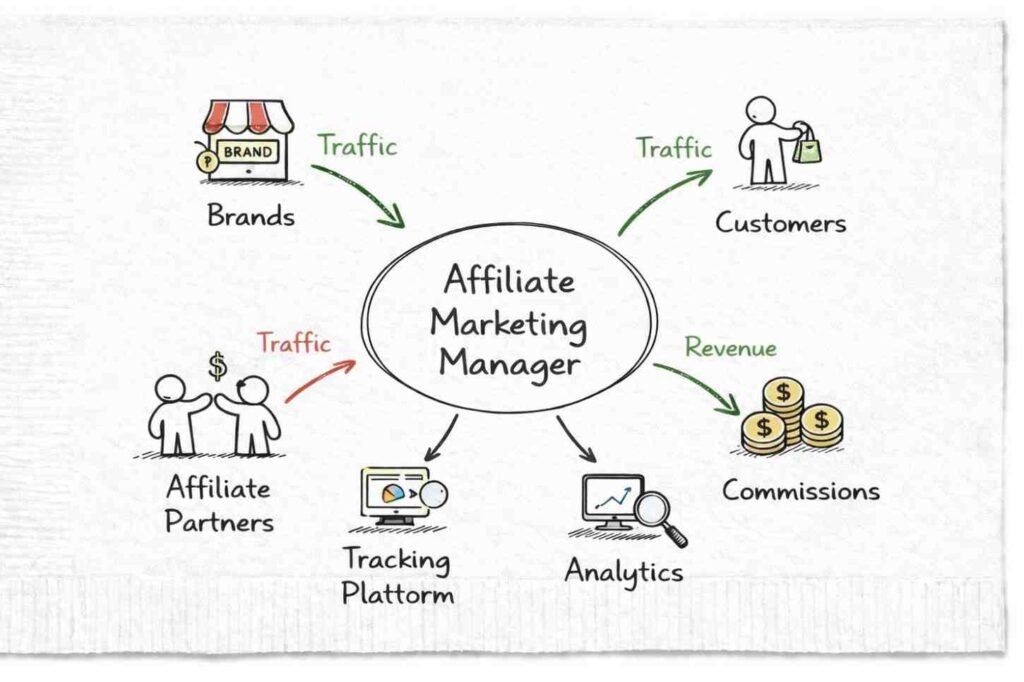
Affiliate marketing managers build and scale these partner networks. They recruit affiliates, create commission structures, provide promotional materials, track performance, and optimize the program for maximum ROI. Think of them as ecosystem builders—creating win-win relationships between companies and content creators, bloggers, influencers, and publishers who promote products to their audiences.
India’s affiliate marketing industry is booming in 2026. Major e-commerce platforms like Amazon Associates and Flipkart Affiliate generate crores in sales through affiliate channels. Every blogger reviewing products, YouTuber sharing links, and Instagram influencer promoting brands participates in affiliate marketing. This growth creates strong demand for managers who can strategically build and optimize these programs.
What makes affiliate marketing particularly attractive is its scalability. One manager overseeing 500-1,000 affiliates can drive more sales than an entire paid advertising team—at lower customer acquisition costs and with performance-based payment structures that minimize risk.
Understanding Affiliate Commission Structures in India
Commission structures vary dramatically by industry and product type
E-Commerce Affiliate Programs (Amazon, Flipkart)
Amazon Associates India:
- Fashion & Lifestyle: 5% commission
- Kitchen, Furniture, Home Improvement: 5%
- Echo & Alexa Devices: 5%
- Grocery & Amazon Fresh: 4%
- Electronics (Mobile, Laptop, Tablet): 1-3%
- Books & General Merchandise: 4%
- Minimum payout: ₹2,500
- Payment cycle: 60 days after month-end
Flipkart Affiliate:
- Fashion & Lifestyle: 5% (both new and existing customers)
- Furniture: 4%
- Books & General Merchandise: 4%
- Grocery (Supermart): 4%
- Large Appliances (TV, Refrigerator): 3%
- Electronics: 3%
- Mobile Phones Tier A: 1%
- Mobile Phones Tier B: 0.5%
- Premium mobiles & gift cards: 0%
Why Lower Commissions on Electronics?
High-value, low-margin products like smartphones and laptops offer minimal commissions (0.5-1%) because margins are thin and competition fierce. Fashion and lifestyle products offer higher commissions (5%) due to better margins.
SaaS and Digital Products:
SaaS companies offer substantially higher commissions:
- Standard commission: 20-30% of revenue
- Premium affiliates: Up to 40%
- Recurring commissions: Monthly payments as long as customer remains subscribed
- Bonus incentives: ₹15,000-20,000 bonuses after affiliate brings 50 customers
Example: A SaaS product at ₹10,000/year with 30% recurring commission pays the affiliate ₹3,000 annually per customer. An affiliate bringing 100 customers earns ₹3,00,000 per year from that cohort alone.
High-Ticket Affiliate Programs:
Premium products and services offer substantial per-sale commissions:
- Web hosting: ₹3,000-15,000 per sale
- Online courses: 20-50% (₹5,000-50,000 per sale depending on course price)
- Business software: ₹10,000-1,00,000+ per enterprise sale
- Financial services: ₹500-5,000 per lead/application
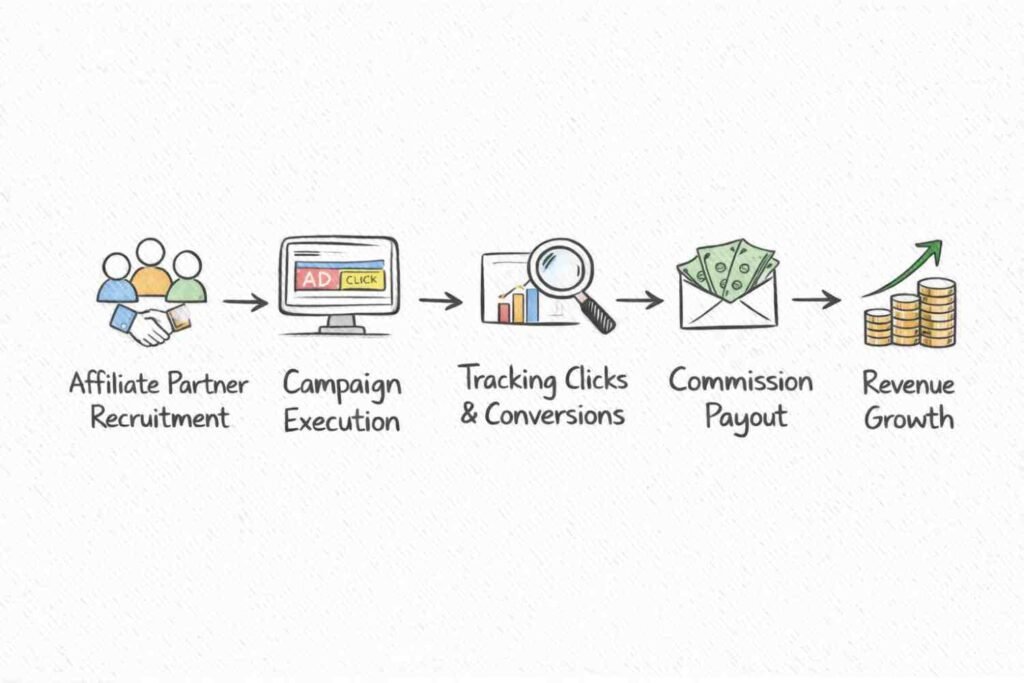
What Affiliate Marketing Managers Do Daily
Affiliate managers orchestrate the entire partner ecosystem
Partner Recruitment and Onboarding
- Identify potential affiliates—bloggers, YouTubers, influencers, comparison websites, coupon sites
- Reach out to high-potential partners with program details
- Create compelling value propositions for why affiliates should promote your products
- Onboard new affiliates with training, resources, and promotional materials
- Screen partners to ensure brand alignment and quality
Program Structure and Strategy
- Design commission structures that incentivize affiliates while maintaining profitability
- Create tiered commission plans rewarding top performers with higher rates
- Develop promotional campaigns and seasonal offers for affiliates to promote
- Provide creative assets—banners, product images, copy templates, landing pages
- Set program rules, terms, and compliance guidelines
Performance Management
- Monitor affiliate performance—clicks, conversions, sales, revenue generated
- Identify top performers and nurture those relationships with bonuses or higher commissions
- Reach out to underperforming affiliates to understand challenges and provide support
- Detect and prevent fraud—fake traffic, cookie stuffing, trademark bidding violations
- Analyze which traffic sources and affiliate types drive best ROI
Relationship Management
- Regular communication with top affiliates via email, calls, and meetings
- Answer affiliate questions about products, promotions, and commissions
- Resolve payment disputes and technical issues quickly
- Organize affiliate contests and incentive programs to boost motivation
- Build long-term partnerships with key affiliates
Platform and Technology Management
- Manage affiliate tracking software (ShareASale, CJ Affiliate, Impact, Refersion)
- Ensure tracking links work correctly and commissions attribute properly
- Generate custom tracking URLs and promotional materials
- Set up automated workflows for payouts and communications
- Integrate affiliate data with broader marketing analytics
Reporting and Optimization
- Create monthly reports showing program performance—revenue, ROI, top affiliates
- Present insights and recommendations to marketing leadership
- Calculate true cost-per-acquisition including commission and management costs
- Optimize commission structures based on performance data
- Test new affiliate recruitment channels and partnership models
Essential Skills for Affiliate Marketing Managers
Partnership and Relationship Skills
Networking and Outreach: Building relationships with influencers, bloggers, and content creators. Finding and approaching potential partners persuasively.
Negotiation: Structuring mutually beneficial deals, negotiating commission rates, and finding win-win arrangements that work for both company and affiliates.
Relationship Management: Maintaining ongoing communication with hundreds of affiliates, addressing concerns promptly, making partners feel valued and supported.
Communication: Clearly explaining program details, answering questions patiently, providing constructive feedback, and building trust.
Analytical and Strategic Skills
Data Analysis: Tracking affiliate performance metrics—clicks, conversion rates, average order value, revenue per click, lifetime value of referred customers.
Fraud Detection: Identifying suspicious patterns like abnormal click-to-conversion ratios, sudden traffic spikes, or trademark bidding violations.
ROI Optimization: Calculating true program profitability after commissions, bonuses, and management costs. Optimizing for maximum returns.
Strategic Planning: Designing commission structures that motivate without overpaying, creating seasonal campaigns, and planning long-term program growth.
Technical and Marketing Skills
Affiliate Platform Proficiency: Understanding tools like ShareASale, CJ Affiliate, Impact, Rakuten Advertising, Refersion, or building in-house solutions.
Tracking and Attribution: Setting up proper tracking, understanding cookie duration, and ensuring accurate commission attribution.
Digital Marketing Knowledge: Understanding SEO (many affiliates are content sites), social media marketing, email marketing, and paid advertising.
Content Strategy: Creating promotional materials affiliates want to use—compelling banners, persuasive copy, landing pages that convert.
Compliance and Legal Understanding: Knowing FTC disclosure requirements, understanding trademark policies, preventing incentivized reviews, and managing brand safety.
Affiliate Marketing Manager Salary in India
Affiliate managers earn competitive salaries with performance-based bonuses:
Experience-Based Salary Ranges
- Affiliate Marketing Executive (0-2 years): ₹3-6 lakhs per year
- Affiliate Marketing Specialist (2-4 years): ₹6-12 lakhs per year
- Affiliate Marketing Manager (4-7 years): ₹12-20 lakhs per year
- Senior Affiliate Manager (7-10 years): ₹20-32 lakhs per year
- Head of Affiliate Marketing (10+ years): ₹30-50 lakhs per year
Industry Variations
- E-commerce: ₹6-30 lakhs (Amazon, Flipkart, Myntra, Ajio)
- SaaS/Technology: ₹8-35 lakhs (recurring commission models, higher margins)
- Financial Services: ₹7-28 lakhs (insurance, credit cards, loans)
- Travel: ₹6-24 lakhs (hotels, flights, travel packages)
- Edutech: ₹6-22 lakhs (online courses, bootcamps)
- Affiliate Networks: ₹8-32 lakhs (managing multiple merchant programs)
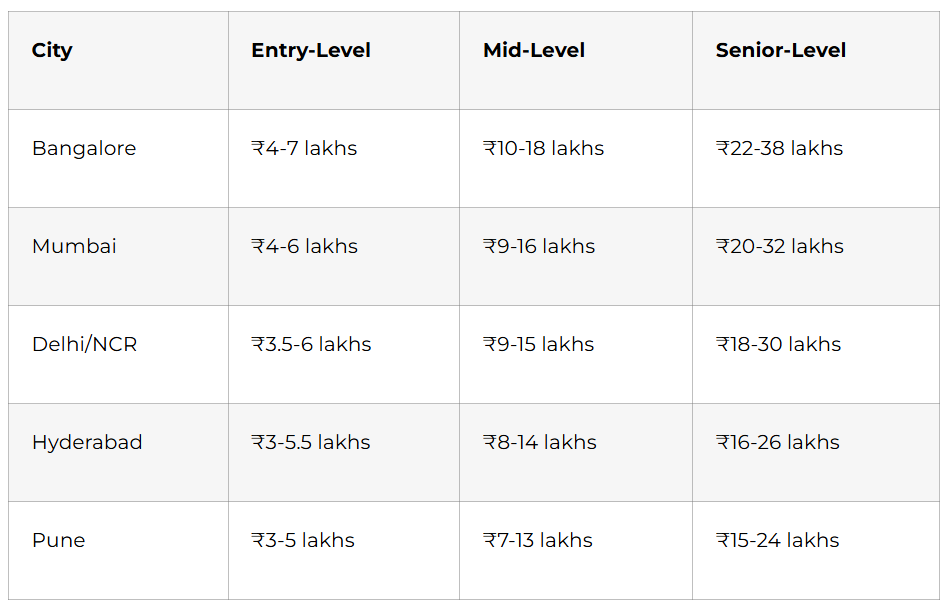
City-Wise Comparison
Performance Bonuses
Many affiliate managers earn 20-40% additional compensation through performance bonuses tied to program revenue or ROI targets.
How to Become an Affiliate Marketing Manager
Month 1-3: Understand Affiliate Marketing Fundamentals
Learn How Affiliate Marketing Works:
- Study affiliate marketing basics—tracking, cookies, commission models
- Understand different affiliate types: content affiliates, coupon sites, loyalty programs, influencers
- Research major affiliate programs (Amazon Associates, Flipkart, SaaS programs)
- Learn about affiliate networks (ShareASale, CJ, Impact, Awin)
Start as an Affiliate Yourself:
- Join Amazon Associates or Flipkart Affiliate program
- Create blog or social media account promoting products
- Experience the affiliate side—what information do you need? What makes a program attractive?
- Track your own performance and understand metrics
- Earn your first commission to understand the process
Month 4-6: Build Partnership and Outreach Skills
Develop Recruitment Capabilities:
- Practice finding and researching potential affiliates
- Learn outreach best practices—personalized emails, value propositions
- Study successful partnership proposals
- Understand what motivates different affiliate types
Create Portfolio Projects:
Project 1: Affiliate Program Strategy Document
- Choose real company (or create fictional one)
- Design complete affiliate program: commission structure, target affiliates, promotional strategy, terms and conditions
- Present professionally with financial projections
Project 2: Affiliate Recruitment Campaign
- Identify 50 potential affiliates for a product category
- Create personalized outreach templates
- Design recruitment landing page
- Plan onboarding process
Month 6-9: Gain Practical Experience
Option A: Manage Affiliate Program for Business
- Approach small e-commerce store, edutech company, or local business
- Offer to set up and manage their affiliate program
- Even unpaid work provides portfolio material and testimonials
Option B: Work in Digital Marketing Role
- Start in broader marketing role (content, social media, PPC)
- Volunteer to help with affiliate partnerships
- Gradually transition into dedicated affiliate role
Option C: Join Affiliate Network
- Apply for roles at affiliate networks managing merchant relationships
- Learn industry best practices
- Build network of affiliate contacts
Month 9+: Apply for Affiliate Marketing Roles
Job Titles to Search:
- Affiliate Marketing Executive
- Partnership Manager
- Affiliate Program Manager
- Performance Partnerships Manager
- Influencer Marketing Manager (related role)
Resume Strategy:
- Highlight any affiliate experience (even your own affiliate earnings)
- Showcase partnership-building skills
- Quantify results from portfolio projects
- Demonstrate understanding of commission economics
- Include relevant certifications (if any exist in your platforms)
Career Growth Path for Affiliate Marketers
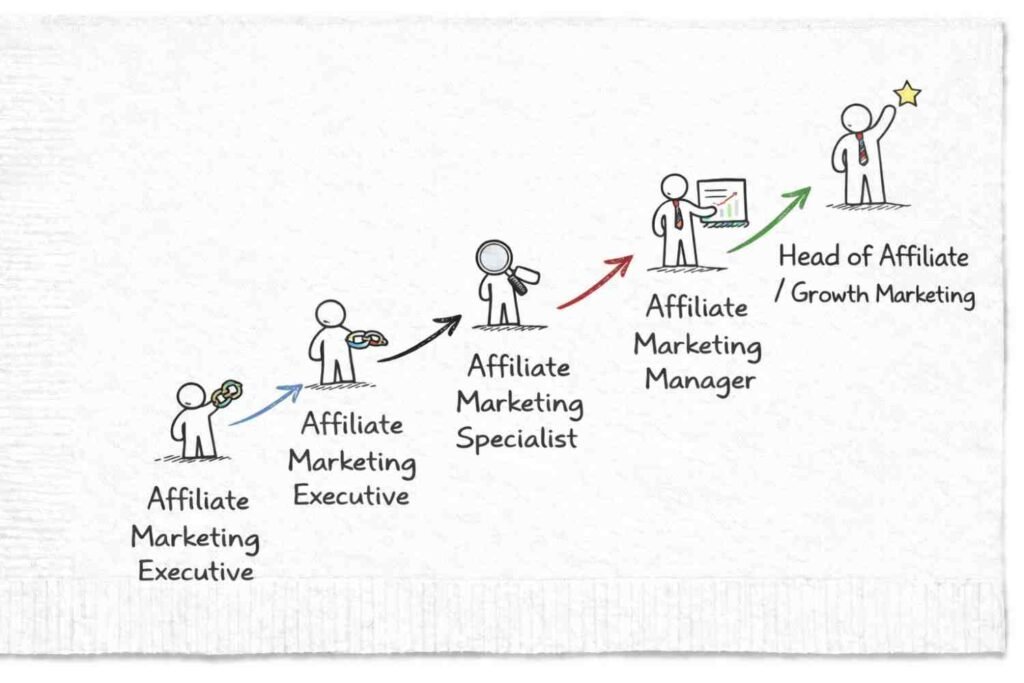
Year 0-2: Affiliate Marketing Executive
Support affiliate manager with partner communications, tracking setup, payment processing. Expected salary: ₹3-6 lakhs.
Year 2-4: Affiliate Marketing Specialist
Recruit new affiliates, manage relationships with 50-100 partners, optimize program performance. Expected salary: ₹6-12 lakhs.
Year 4-7: Affiliate Marketing Manager
Own entire affiliate program, manage team of 1-2 people, set strategy, report on ROI. Expected salary: ₹12-20 lakhs.
Year 7-10: Senior Affiliate Manager
Oversee multiple affiliate programs or large enterprise program, manage team of 3-5, shape partnership strategy. Expected salary: ₹20-32 lakhs.
Year 10+: Head of Affiliate/Partnerships
Lead all partnership channels (affiliates, influencers, strategic partnerships), manage significant budgets and teams. Expected salary: ₹30-50 lakhs.
Alternative paths:
- Partnership Director: Expand from affiliates to all partnership types
- Business Development: Leverage relationship-building skills
- Agency Owner: Start affiliate marketing consultancy
- Performance Marketing Manager: Broader paid channel management
Best Practices for Successful Affiliate Programs
Recruit Quality Over Quantity:
100 engaged, high-quality affiliates drive more revenue than 1,000 inactive ones. Focus on partners with relevant audiences who genuinely believe in your products.
Provide Excellent Support:
Respond to affiliate questions within 24 hours. Provide creative assets, product information, and promotional ideas. Make it easy for affiliates to succeed.
Incentivize Top Performers:
Create tiered commission structures. Give bonuses. Offer exclusive deals. Build personal relationships with top 20% of affiliates who drive 80% of revenue.
Monitor and Prevent Fraud:
Watch for suspicious patterns. Ban affiliates violating terms. Protect your brand from cookie stuffing, trademark bidding, and incentivized traffic.
Regular Communication:
Send monthly newsletters with new products, promotions, and tips. Keep affiliates engaged and informed.
Test and Optimize:
Experiment with commission structures, promotional materials, and recruiting channels. Use data to continuously improve.
FAQs: Affiliate Marketing Manager Career
Q: Do I need to have been an affiliate myself to become an affiliate manager?
Not required but extremely helpful. Understanding affiliate perspective makes you much better at recruiting and supporting partners.
Q: Which industries offer best affiliate marketing careers?
E-commerce, SaaS, financial services, and edutech have mature affiliate programs with strong demand for managers.
Q: Can I work remotely as an affiliate manager?
Yes. Most affiliate management work is digital—recruiting via email, managing platforms online, and analyzing data remotely.
Q: What’s the difference between affiliate manager and partnership manager?
Affiliate managers focus specifically on performance-based commission partnerships. Partnership managers handle broader strategic partnerships including non-commission arrangements.
Q: How long to become an affiliate marketing manager?
Typically 3-5 years starting from marketing coordinator roles. Can be faster (2-3 years) if you start in affiliate-focused role.