
HR CERTIFICATIONS GUIDE
Table of Contents
You’ve been working in HR for a couple of years now, or perhaps you’re preparing to enter the field. You keep hearing colleagues mention certifications like “SHRM-CP” or “PHR” and wonder—are these worth the investment? Will they actually help your career, or are they just expensive pieces of paper?
The truth is that HR certifications can significantly accelerate your career, often leading to 15-25% salary increases and opening doors to positions that might otherwise remain closed. But with multiple certification options available, different costs, eligibility requirements, and preparation demands, choosing the right certification requires understanding what each offers and how it fits your career stage and goals.
This comprehensive guide walks you through the major HR certifications available to professionals in India, helping you make informed decisions about which credentials to pursue and when.
Why Get Certified?
Before diving into specific certifications, let’s address the fundamental question: why pursue HR certification at all?
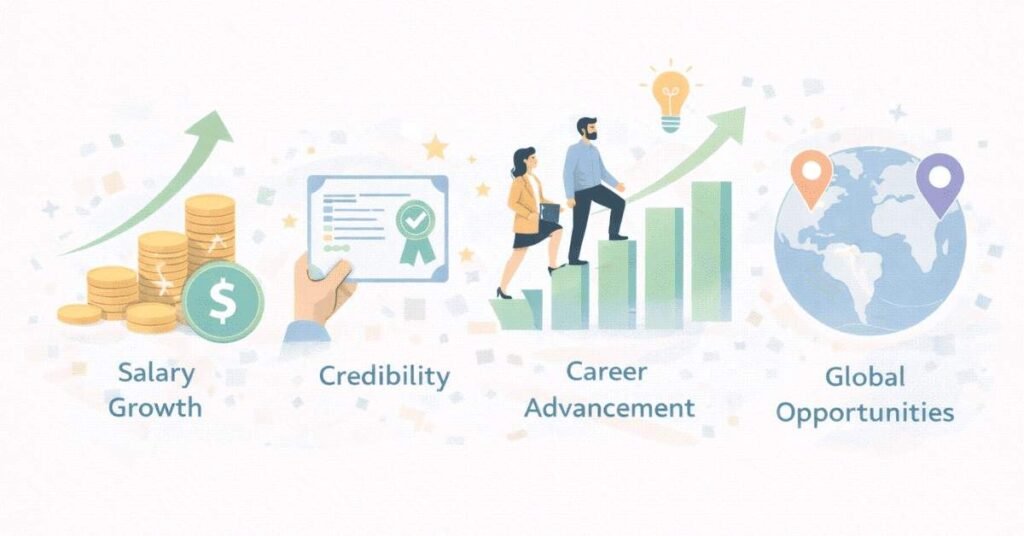
Career Advancement: Many organizations prefer or require certifications for senior HR positions. Having recognized credentials on your resume makes you stand out among candidates with similar experience.
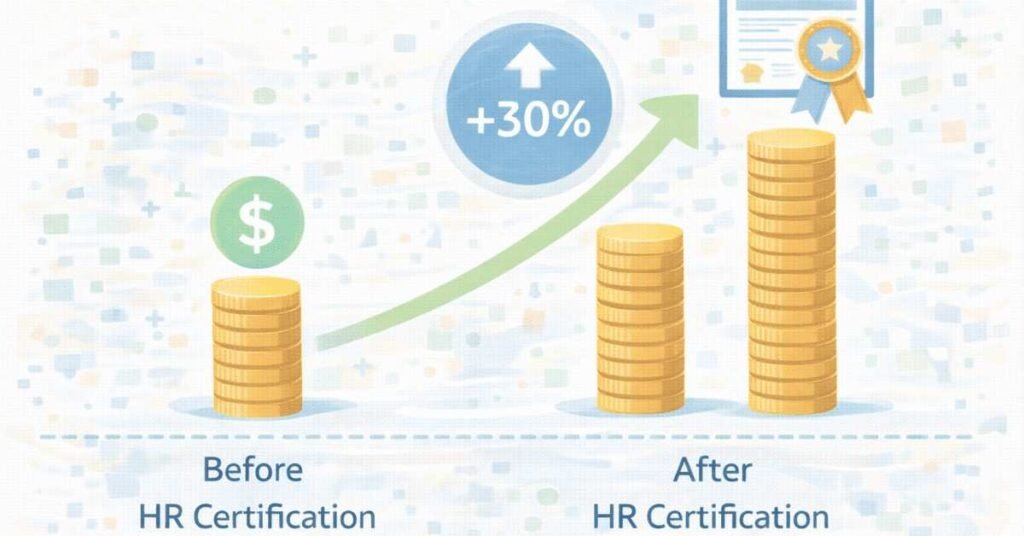
Salary Impact: Studies consistently show that certified HR professionals earn 15-25% more than their non-certified counterparts with similar experience levels. While certification alone won’t guarantee raises, it demonstrates commitment and expertise that employers value financially.
Knowledge Validation: Certification prep ensures you understand HR best practices comprehensively, not just what you’ve learned from your specific organization. This standardized knowledge makes you more effective and confident in your HR decisions.
Professional Credibility: Certifications signal to colleagues, managers, and external partners that you’re serious about HR as a profession, not just occupying an HR role temporarily. This credibility helps when you need to influence others or have your recommendations taken seriously.
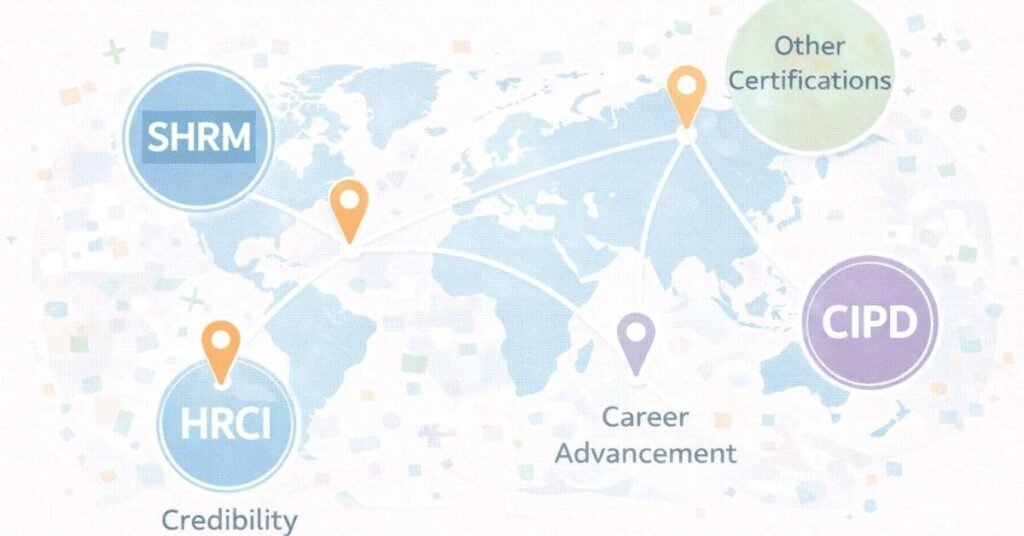
Global Recognition: Major certifications like SHRM-CP, SHRM-SCP, and PHR are recognized internationally, making you attractive to multinational companies and global opportunities.
Networking Opportunities: Certification bodies typically offer member communities, events, and resources that expand your professional network beyond your immediate organization.
Continuous Learning: Most certifications require ongoing education for recertification, ensuring you stay current with evolving HR practices rather than becoming outdated.
That said, certification isn’t mandatory for HR success. Many accomplished HR leaders never certified. The value depends on your career goals, current role, and whether your target organizations value credentials.
SHRM Certifications: SHRM-CP and SHRM-SCP
The Society for Human Resource Management (SHRM) is the world’s largest HR professional association with over 300,000 members globally, including significant presence in India.
SHRM-CP (SHRM Certified Professional)
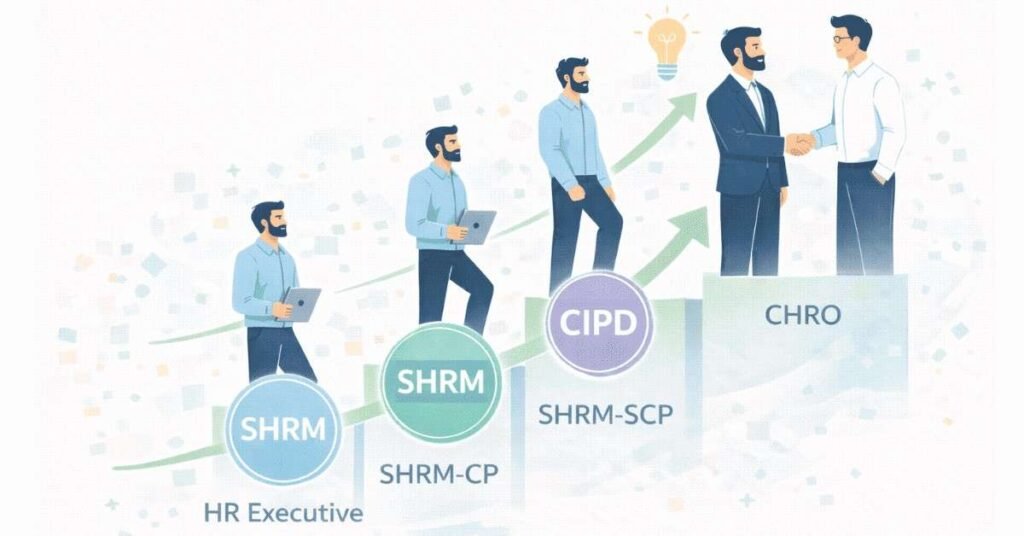
The SHRM-CP targets early-to-mid-career HR professionals who are implementing policies, serving as point of contact for staff and stakeholders, and contributing to HR strategy under supervision.
Who Should Pursue SHRM-CP: This certification suits HR professionals with 0-5 years of experience working in operational or tactical HR roles, recent graduates with HR degrees wanting to validate knowledge, career changers entering HR who want credibility, and anyone targeting mid-level HR positions (generalist, specialist roles).
Exam Content: The SHRM-CP tests both behavioral competencies and technical knowledge. Behavioral competencies (about 40% of exam) include leadership and navigation, ethical practice, relationship management, consultation, critical evaluation, global and cultural effectiveness, communication, and business acumen.
People-focused technical knowledge covers talent acquisition, employee engagement and retention, learning and development, and total rewards. Organization-focused areas include structure of HR function, organizational effectiveness and development, workforce management, employee relations, and technology management. Workplace knowledge encompasses HR in global context, diversity and inclusion, risk management, corporate social responsibility, and employment law and regulations.
Exam Format: The SHRM-CP exam contains 160 questions (134 scored, 26 pretest) administered over 4 hours. Questions include knowledge-based items testing your understanding of HR concepts and situational judgment items presenting workplace scenarios where you choose the best response from multiple options.
The situational judgment questions differentiate SHRM from other certifications. Rather than just testing what you know, they assess how you’d handle real HR situations, emphasizing practical judgment.
Cost Breakdown: For SHRM members, the exam costs $335, while non-members pay $495. SHRM membership itself costs around $219 annually, making membership worthwhile if you’re certifying. Learning materials add approximately $300-400, including SHRM Learning System, practice tests, study guides, and optional workshops.
Total investment ranges from $550-900 depending on whether you’re already a SHRM member and which prep materials you choose. Some employers reimburse certification costs, so check before paying out of pocket.
Eligibility Requirements: You need either a bachelor’s degree plus minimum one year HR experience, or less than bachelor’s degree plus four years HR experience. HR experience means working in an HR role or performing HR functions, not just working for an organization with an HR department.
Recertification: SHRM certifications require recertification every three years through earning 60 professional development credits (PDCs)—about 20 per year—through activities like attending conferences, taking courses, presenting at events, volunteering in HR organizations, or teaching HR content.

SHRM-SCP (SHRM Senior Certified Professional)
The SHRM-SCP targets experienced HR professionals who develop HR strategies, lead HR functions, and influence organizational policy.
Who Should Pursue SHRM-SCP: This certification suits HR professionals with 5+ years experience, particularly those in senior specialist, manager, or director roles who are leading HR teams or functions, driving HR strategy and initiatives, influencing organizational leadership, and targeting senior HR or CHRO positions.
Exam Content: The SHRM-SCP covers similar content areas as SHRM-CP but at higher cognitive levels. Questions require analysis, synthesis, and evaluation rather than just recall. Situational judgment scenarios present more complex situations requiring strategic thinking and balancing multiple considerations.
The behavioral competencies receive even more emphasis—about 45-50% of the exam—reflecting that senior HR roles require stronger leadership, influence, and strategic capabilities.
Exam Format and Cost: Similar to SHRM-CP: 160 questions over 4 hours, $335 for members ($495 for non-members), plus preparation materials.
Eligibility Requirements: More stringent experience requirements reflect senior positioning. You need either a master’s degree plus minimum three years HR experience, bachelor’s degree plus four years HR experience, or less than bachelor’s degree plus seven years HR experience.
Choosing Between SHRM-CP and SHRM-SCP: If you’re early-career (0-4 years), start with SHRM-CP. If you’re mid-to-senior career (5+ years) in strategic roles, pursue SHRM-SCP. Don’t oversell yourself—SHRM-SCP requires genuinely strategic experience, not just years in HR. If most of your work is operational, SHRM-CP is appropriate regardless of tenure.
You can upgrade from SHRM-CP to SHRM-SCP later as you gain experience and move into strategic roles.
SHRM Certification Value in India
SHRM certifications are increasingly valued in India, particularly by:
- Multinational corporations with global HR standards
- Large Indian conglomerates building professional HR capabilities
- Tech companies and startups seeking best-practice HR approaches
- Consulting firms requiring credentialed professionals
- Organizations with international operations
However, acceptance varies. Smaller Indian companies may not recognize SHRM credentials or value them enough to pay premiums. Research your target employers’ perspectives before investing.
HRCI Certifications: PHR, SPHR, and GPHR
The HR Certification Institute (HRCI) has been offering HR certifications since 1976, making it the oldest and one of the most established certification bodies. HRCI credentials are particularly strong in the United States but also recognized globally.
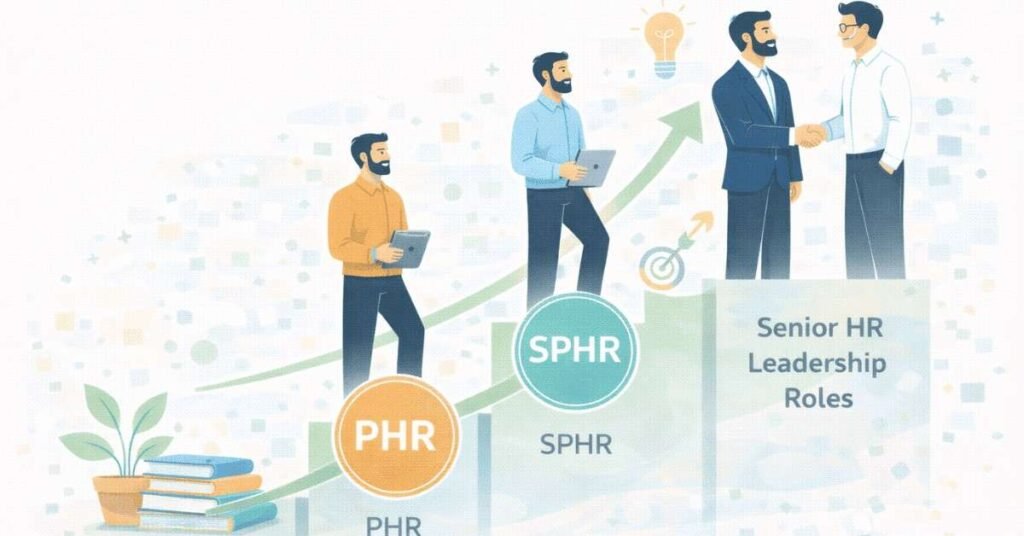
PHR (Professional in Human Resources)
The PHR focuses on technical and operational aspects of HR management, targeting professionals who implement HR programs and policies.
Who Should Pursue PHR: This certification suits HR generalists handling day-to-day HR operations, specialists in areas like recruiting or compensation, professionals with 2-5 years HR experience in operational roles, and those working in U.S.-based companies or targeting international opportunities.
Exam Content: The PHR covers five functional areas weighted as follows:
Business Management (20%): Understanding business functions, strategic planning, organizational metrics, change management, and risk management.
Talent Planning and Acquisition (18%): Workforce planning, recruitment strategies, selection processes, employment branding, and onboarding.
Learning and Development (11%): Training needs assessment, program design and delivery, career development, and performance management.
Total Rewards (19%): Compensation structures, benefits administration, payroll, and compliance with wage laws.
Employee and Labor Relations (32%): This largest section covers employee engagement, communication strategies, diversity and inclusion, workplace investigations, termination, employee retention, and labor law compliance.
The emphasis on employee relations and technical HR execution distinguishes PHR from SHRM-CP’s balanced approach.
Exam Format: The exam contains 150 scored questions plus 25 pretest questions (not counted toward your score) administered over 3 hours. All questions are multiple-choice knowledge-based items testing your understanding of HR concepts, laws, and practices.
Cost Breakdown: HRCI members pay $395 for the exam, while non-members pay $495. There’s also a $100 application fee regardless of membership. HRCI membership costs approximately $195 annually. Study materials typically cost $200-400 depending on which resources you choose.
Total investment ranges from $695-995 including application fees, exam costs, and study materials.
Eligibility Requirements: PHR has flexible eligibility based on education level:
- At least one year of professional HR experience with a master’s degree or higher
- At least two years with a bachelor’s degree
- At least four years with a high school diploma
Recertification: PHR requires recertification every three years through earning 60 recertification credits via continuing education, teaching, research, leadership in HR organizations, or retaking the exam.

SPHR (Senior Professional in Human Resources)
The SPHR targets senior-level HR professionals who develop HR strategies, policies, and programs rather than primarily implementing them.
Who Should Pursue SPHR: This certification suits HR managers and directors overseeing HR functions, senior specialists leading strategic initiatives, HRBPs partnering with senior business leaders, those targeting director-level or VP HR positions, and professionals with 6+ years of progressive HR experience including strategic responsibilities.
Exam Content: The SPHR covers similar functional areas as PHR but with different emphases reflecting strategic focus:
Leadership and Strategy (40%): The largest section covers HR’s strategic role, organizational structure and design, strategic planning, mergers and acquisitions, and using HR metrics for business decisions.
Talent Planning and Acquisition (16%): Strategic workforce planning, succession planning, and talent management.
Learning and Development (11%): Leadership development, organizational development, and performance management systems.
Total Rewards (12%): Strategic compensation planning, executive compensation, and global rewards.
Employee and Labor Relations (21%): Strategic employee relations, union negotiations, compliance strategy, and corporate governance.
The heavy emphasis on leadership and strategy (40%) differentiates SPHR from PHR’s operational focus.
Exam Format and Cost: Similar to PHR—175 questions over 3 hours, $495 for members, $595 for non-members, plus $100 application fee. Study materials add $200-400, bringing total cost to approximately $795-1,095.
Eligibility Requirements: More extensive experience required:
- Minimum four years strategic/policy-making HR experience with master’s degree or higher
- Minimum five years with bachelor’s degree
- Minimum seven years with less than bachelor’s degree
Experience must include strategic responsibilities, not just years in HR. If you’ve spent seven years doing tactical HR work, you may not qualify even if you meet the time requirement.
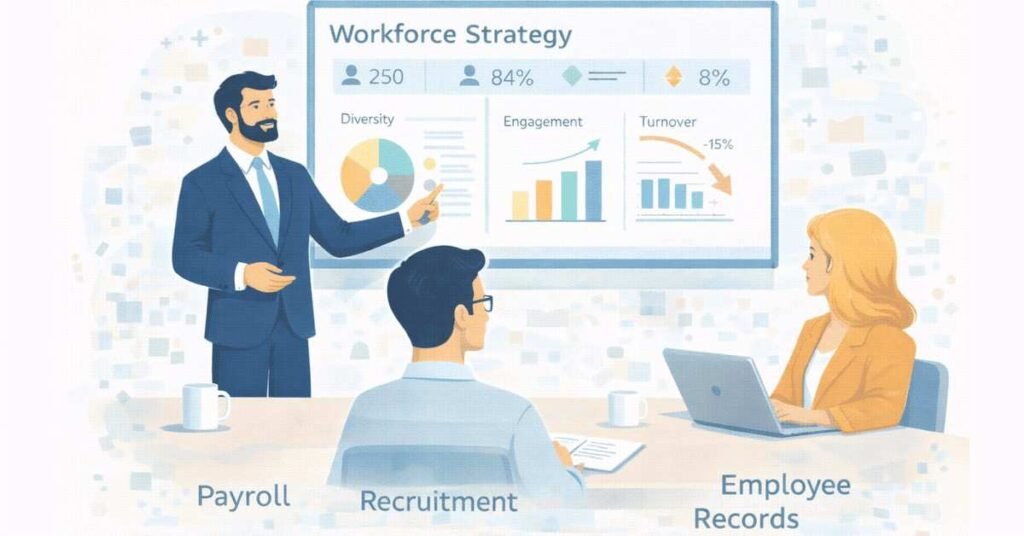
GPHR (Global Professional in Human Resources)
The GPHR focuses on international HR management for professionals working across borders.
Who Should Pursue GPHR: This certification suits HR professionals managing global workforces, specialists in international HR or global mobility, professionals in multinational corporations with cross-border responsibilities, those targeting global HR leadership roles, and anyone with 2+ years international HR experience.
Exam Content: The GPHR covers strategic HR management (44%), talent acquisition and mobility (23%), compensation and benefits (20%), and employee relations and engagement (13%)—all from global perspective. Questions address managing HR across different countries, navigating international labor laws, handling cultural differences, and coordinating global HR programs.
Exam Format and Cost: 130 scored questions plus 25 pretest over 2.5 hours. Costs similar to other HRCI exams: $395-495 for exam plus $100 application fee.
Eligibility Requirements: Minimum two years professional-level HR experience, with at least one year focused on international HR responsibilities. A bachelor’s degree reduces required experience slightly.
Why Choose GPHR: Pursue this if you’re specifically focused on international HR career paths. For most HR professionals, PHR or SPHR provide better generalist credibility, but GPHR creates a valuable niche specialization.

PHR vs SHRM-CP: Which Should You Choose?
Both target similar experience levels, creating a common dilemma for early-to-mid-career professionals. Here’s how they compare:
Content Focus: SHRM-CP emphasizes behavioral competencies (40%) alongside technical knowledge, testing how you’d handle situations through judgment questions. PHR focuses almost entirely on technical knowledge through traditional multiple-choice. If you learn better through scenarios and practical application, SHRM-CP may suit you. If you prefer straightforward knowledge testing, consider PHR.
Geographic Recognition: SHRM certifications are globally recognized and increasingly popular in India, especially with MNCs and modern companies. PHR is strongest in the United States. If targeting Indian companies or global roles outside the U.S., SHRM-CP may have advantages. If targeting U.S.-based companies or American MNCs, PHR remains highly valued.
Question Style: SHRM-CP situational judgment questions can feel ambiguous—multiple answers may seem correct, and you choose the “best” response. This tests judgment but frustrates people who prefer clear right answers. PHR’s traditional multiple-choice feels more straightforward with definitively correct answers.
Cost: Roughly comparable—both cost $335-495 depending on membership plus $200-400 in study materials.
Practical Recommendation: Research your target employers’ preferences. Check job postings to see which certifications they mention. Ask HR leaders in your network which they value. If no clear preference emerges, SHRM-CP currently has momentum in India’s market, particularly with forward-thinking organizations.
You can’t go wrong with either—both are respected credentials that demonstrate commitment to HR excellence.
CIPD Certifications (UK-Based)
The Chartered Institute of Personnel and Development (CIPD) is the UK’s professional body for HR and development, offering certifications particularly valued in British companies and their international operations.
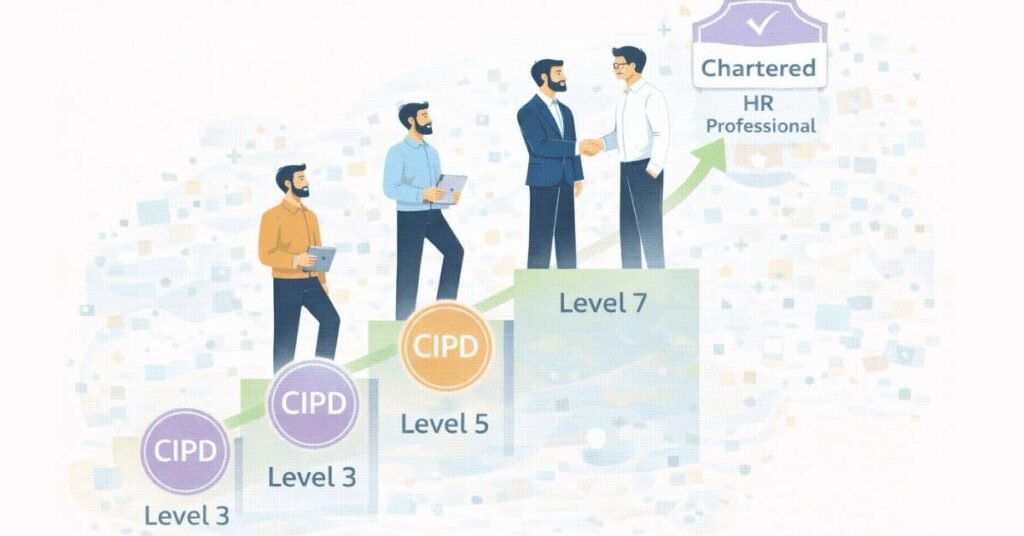
CIPD Levels
CIPD offers multiple qualification levels:
Level 3 Foundation (Certificate): Entry-level for those new to HR, covering HR fundamentals. Equivalent to A-level qualifications.
Level 5 Intermediate (Diploma): For HR practitioners with some experience, covering core HR capabilities. Equivalent to foundation degree.
Level 7 Advanced (Diploma): For experienced HR professionals in strategic roles. Equivalent to master’s degree level.
Chartered Membership (Chartered FCIPD or MCIPD): The highest level, requiring significant experience plus either Level 7 qualification or assessment of prior learning.
Who Should Pursue CIPD: CIPD certifications particularly suit professionals targeting British or European MNCs with operations in India, those considering international HR careers in UK or Commonwealth countries, HR professionals in UK-based companies, and those wanting qualifications recognized across Europe.
Content and Format: CIPD qualifications involve coursework, assignments, and projects rather than single exams. You typically complete modules over 12-18 months through distance learning or in-person programs.
Cost: CIPD qualifications are expensive—Level 5 typically costs ₹1.5-3 lakhs, Level 7 costs ₹2.5-4 lakhs through Indian training providers offering CIPD programs. UK-based programs cost even more.
Value in India: CIPD recognition in India is moderate. British MNCs and companies with UK connections value it highly. However, most Indian and American companies are unfamiliar with CIPD, limiting its value outside specific contexts.
Practical Recommendation: Pursue CIPD only if you’re specifically targeting UK/European companies or planning to work internationally in those regions. For general Indian HR careers, SHRM or HRCI certifications offer better value and recognition.
Specialized HR Certifications
Beyond generalist credentials, specialized certifications demonstrate deep expertise in specific HR areas.
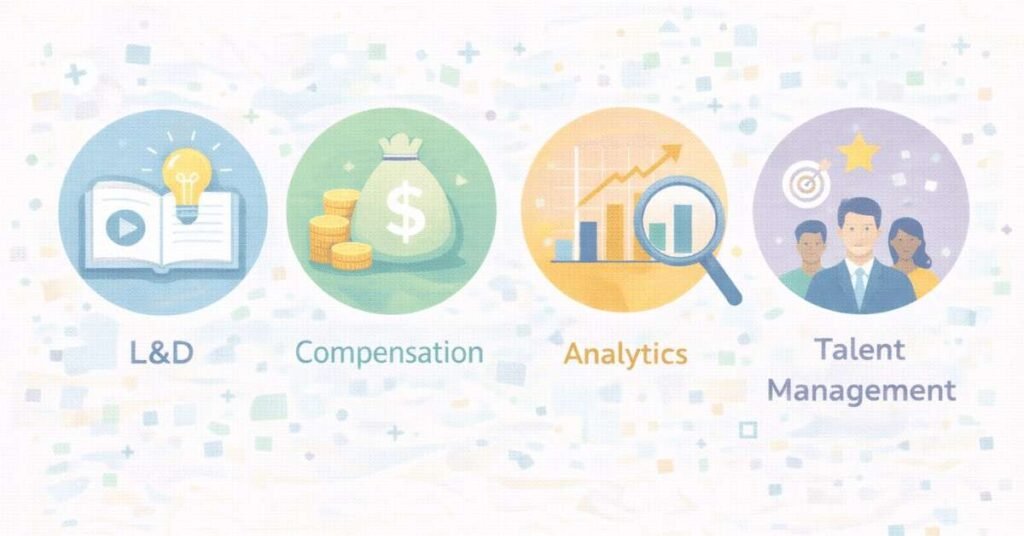
ATD Certifications (Talent Development)
The Association for Talent Development (ATD) offers certifications for L&D professionals.
CPTD (Certified Professional in Talent Development): The primary ATD certification covers training design and delivery, learning programs, performance improvement, managing learning programs, coaching, knowledge management, and change management.
Eligibility: Bachelor’s degree plus 5 years relevant experience, or master’s degree plus 3 years, or specific ATD coursework.
Cost: Approximately $500-700 for exam plus study materials.
Why Pursue: If you’re specializing in L&D, CPTD demonstrates dedicated expertise that generalist HR certifications don’t provide. Particularly valuable for training managers, instructional designers, and L&D leaders.
WorldatWork Certifications (Compensation)
WorldatWork offers specialized certifications for compensation and benefits professionals.
CCP (Certified Compensation Professional): Covers compensation philosophies, job analysis and documentation, market pricing, base pay structures, variable pay, and sales compensation.
CBP (Certified Benefits Professional): Focuses on benefits programs, legal compliance, retirement plans, health and welfare programs, and global benefits.
CPCP (Certified Pay for Performance Professional): Specializes in incentive compensation, variable pay plans, and performance-based rewards.
Why Pursue: If you’re specializing in compensation and benefits, these certifications provide deeper expertise than generalist credentials and command premium salaries in specialized C&B roles.
HRMP (Human Resources Management Professional) - India
Several Indian institutions offer HRMP certifications, though these lack the international recognition of SHRM or HRCI.
Providers: NIPM (National Institute of Personnel Management), Indian institutions, and local training providers offer HRMP programs.
Value: These certifications are less expensive (₹25,000-75,000) and sometimes more accessible than international options. However, recognition is limited—primarily valuable in smaller Indian companies. For career growth, international certifications typically offer better ROI.
When to Consider: HRMP certifications make sense if budget is extremely constrained, you’re working in small-to-mid-sized Indian companies unlikely to value international credentials, or you’re supplementing them with international certifications later.
Certification Preparation Strategies
Once you’ve chosen your certification, effective preparation is essential.
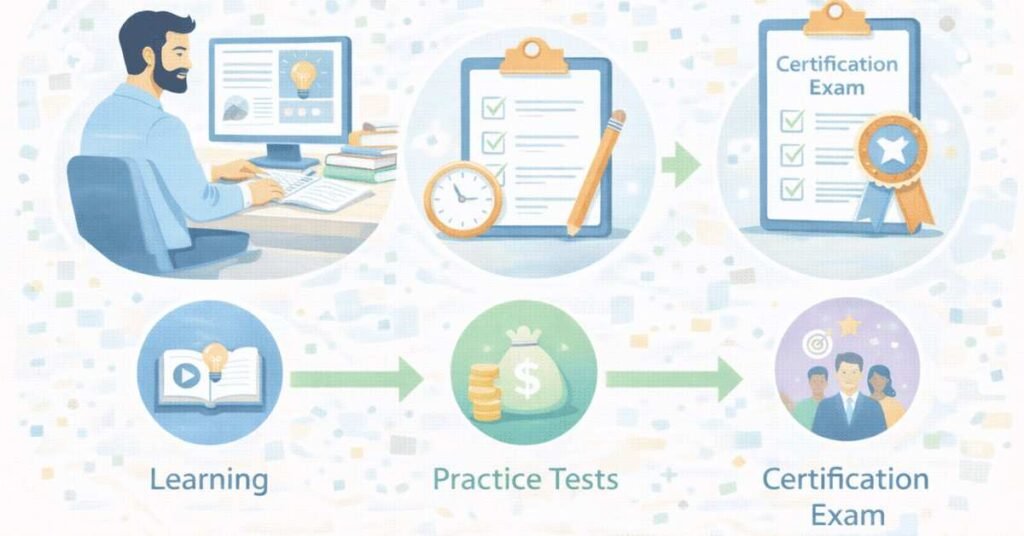
Study Timeline
3-6 Months Before Exam: Most certification candidates study for 3-6 months, averaging 80-120 hours of preparation. Start earlier if you’re working full-time with family responsibilities. Start later only if you have very strong recent HR experience directly covering exam content.
Create a study schedule breaking down topics across available weeks. Consistency beats cramming—30 minutes daily outperforms sporadic all-day sessions.
Study Resources
Official Learning Systems: SHRM Learning System and HRCI study materials are comprehensive but expensive ($300-400). These are your best single resource, closely aligned with exam content and including practice questions.
Prep Courses: Many providers offer in-person or online prep courses (₹15,000-40,000). These add structure, instructor guidance, and accountability. Valuable if you’re self-discipline-challenged or want expert instruction, but optional if you’re a strong self-studier.
Study Groups: Join or form study groups with others preparing for the same exam. Groups provide accountability, diverse perspectives on concepts, and shared resources. SHRM India chapters and LinkedIn groups often facilitate study groups.
Practice Exams: Take multiple full-length practice exams under timed conditions. These build stamina, reveal knowledge gaps, and reduce test-day anxiety. Treat practice exams seriously—simulate actual testing conditions.
Flashcards and Apps: Use flashcards for memorization-heavy content like employment laws. Several apps offer SHRM-CP and PHR flashcards and mobile practice questions for studying during commutes.
Study Approach
Understand, Don’t Memorize: Certifications test application and judgment, not just recall. Focus on understanding concepts deeply enough to apply them to novel situations.
Focus on Weak Areas: After establishing baseline understanding across all content, concentrate study time on weaker topics. You’ll gain more points strengthening weaknesses than perfecting strengths.
Learn from Wrong Answers: When practicing questions, carefully review incorrect answers. Understand why your choice was wrong and the correct answer is better. These mistakes are valuable learning opportunities.
Situational Judgment Strategy (SHRM): For SHRM situational judgment questions, eliminate clearly wrong answers first, consider organizational context and constraints, think about both immediate and long-term consequences, and choose the option that best balances employee needs with business requirements.
Often multiple answers seem reasonable—choose the “best” response, not a “correct” one. This requires judgment developed through experience and practice.
Exam Day Tips
Logistics: Know your testing center location and arrive 30 minutes early. Bring required identification and confirmation documents. Testing centers are strict about start times.
Time Management: Monitor your pace. For SHRM exams with 160 questions over 4 hours, that’s 1.5 minutes per question. Flag difficult questions and return to them rather than getting stuck.
Manage Anxiety: Some anxiety is normal and helpful. Excessive anxiety hurts performance. Use deep breathing, positive self-talk, and remember you’ve prepared thoroughly. Most prepared candidates pass—the exams are challenging but not designed to fail you.
Educated Guessing: If stuck, eliminate obviously wrong answers and make educated guesses. SHRM and HRCI don’t penalize wrong answers, so never leave questions blank.

ROI Analysis: Is Certification Worth It?
Let’s examine the return on investment realistically.
Costs
Direct Costs: Exam fees ($335-595), study materials ($200-400), membership fees ($195-220), and potentially prep courses ($15,000-40,000) total ₹40,000-100,000 for international certifications.
Time Investment: 80-120 hours of study time over 3-6 months has opportunity cost—time you could spend working, with family, or on other pursuits.
Benefits
Salary Impact: If certification leads to 15-25% salary increase, that’s ₹1.5-3 lakhs annually for someone earning ₹10 lakhs, or ₹3-6 lakhs for someone earning ₹20 lakhs. The certification pays for itself within 6-12 months through salary gains alone.[aihr]
Career Opportunities: Certifications open doors to positions requiring credentials, making some opportunities accessible that otherwise wouldn’t be. This is harder to quantify but potentially very valuable.
Knowledge Gains: Structured learning fills knowledge gaps and provides frameworks for better HR decision-making. This improves your effectiveness even if salary doesn’t immediately increase.
Professional Confidence: Many certified professionals report increased confidence in their HR knowledge and judgment, making them more effective influencers.
When Certification May Not Be Worth It
Honestly, certification may not be worth the investment if your employer doesn’t value or recognize credentials (ask before investing), you’re very early career with less than 1 year experience (gain practical experience first), you’re approaching retirement with limited time to recoup investment, or your career goals don’t require credentials (some HR paths genuinely don’t).
Also consider your learning style—if you’re a poor test-taker who struggles with standardized exams despite strong practical knowledge, certification may frustrate more than benefit you.
Practical Certification Roadmap
Here’s a suggested approach based on career stage:
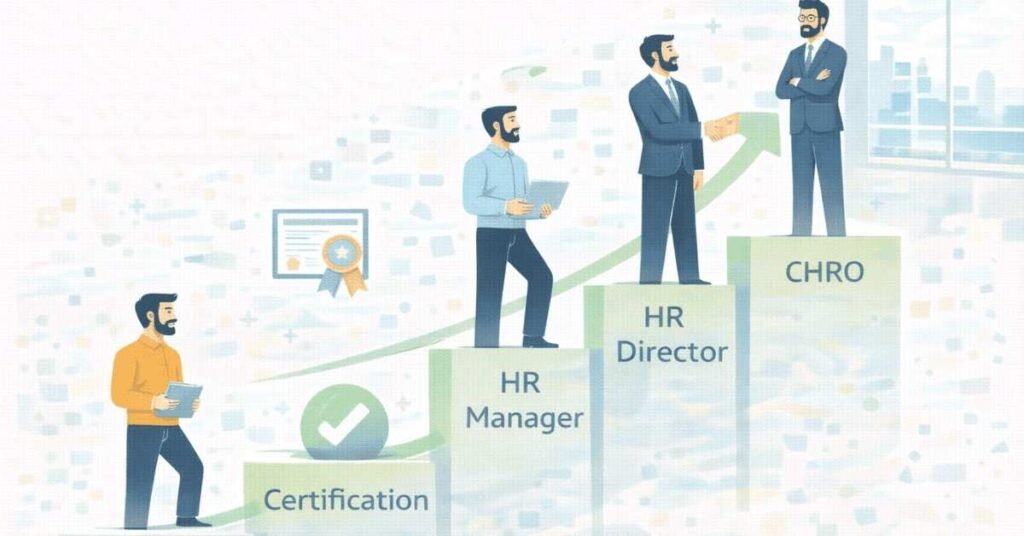
Years 0-2 (Entry Level): Focus on gaining practical experience and building foundational knowledge. Consider SHRM-CP or PHR only if your employer will pay or if certifications are consistently required in job postings you’re targeting.
Years 2-4 (Early Career): Pursue SHRM-CP or PHR to validate knowledge and differentiate yourself for promotion to manager-level roles. This is the sweet spot for first certification—enough experience to pass comfortably but early enough in career for maximum ROI.
Years 5-8 (Mid-Career): If you certified earlier with SHRM-CP or PHR, consider upgrading to SHRM-SCP or SPHR as you move into strategic roles. Alternatively, pursue specialized certifications in your focus area (ATD for L&D, WorldatWork for compensation).
Years 8+ (Senior Level): Focus on specialized or advanced certifications that demonstrate expertise relevant to your leadership level. GPHR if doing international HR, specialized certifications in your domain, or advanced business education like executive MBA rather than more HR certifications.
Making Your Decision
To decide which certification to pursue:
- Research employer preferences in your target companies and industries
- Assess your experience level honestly against eligibility requirements
- Evaluate your budget including exam costs, study materials, and time investment
- Consider your learning style—do you prefer scenario-based or knowledge-based testing?
- Think about geographic scope—are you targeting Indian, U.S., or global opportunities?
- Consult certified professionals in your network about their experiences
- Check recertification requirements—can you commit to ongoing education?
There’s no single “best” certification for everyone. The right choice depends on your unique situation, career goals, and organizational context.
What matters most isn’t which letters follow your name, but that you continue growing your HR expertise, applying best practices, and delivering value to your organization. Certifications are valuable tools for professional development, not substitutes for genuine capability and impact.