
INTRODUCTION TO HUMAN RESOURCES CAREERS
Table of Contents
Have you ever wondered who ensures that employees get paid on time, who organizes those team-building activities, or who helps resolve workplace conflicts? That’s the Human Resources team at work. But modern HR is so much more than just paperwork and office parties. Today’s HR professionals are strategic partners who shape organizational culture, drive business decisions, and create workplaces where people can thrive.
If you’re considering a career in HR or simply curious about what HR professionals actually do all day, this guide will give you a clear picture of the profession, its evolution, core responsibilities, and why it might be the perfect career for you.
What is Human Resources?
Human Resources is the organizational function responsible for managing everything related to people—from the moment someone applies for a job until they leave the company and beyond. At its core, HR ensures that an organization has the right people, with the right skills, in the right roles, at the right time.
But HR’s scope extends far beyond hiring and firing. Modern HR touches nearly every aspect of the employee experience including attracting and recruiting talented candidates, onboarding new employees effectively, training and developing employee skills, managing compensation and benefits, handling employee relations and workplace conflicts, ensuring compliance with labor laws, building positive organizational culture, supporting employee wellbeing and engagement, planning for future workforce needs, and using data to make informed people decisions.
Think of HR as the bridge between an organization’s business goals and its people. When a company wants to expand into new markets, HR figures out the talent needed and how to attract it. When employees feel disengaged, HR designs programs to improve workplace satisfaction. When conflicts arise, HR mediates fair solutions.
The Evolution of HR: From Personnel to Strategic Partner
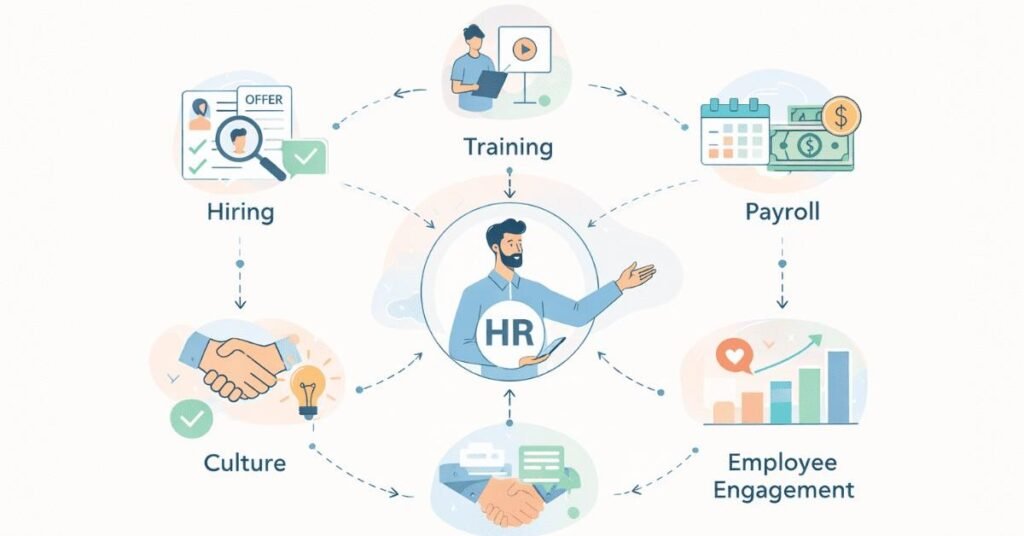
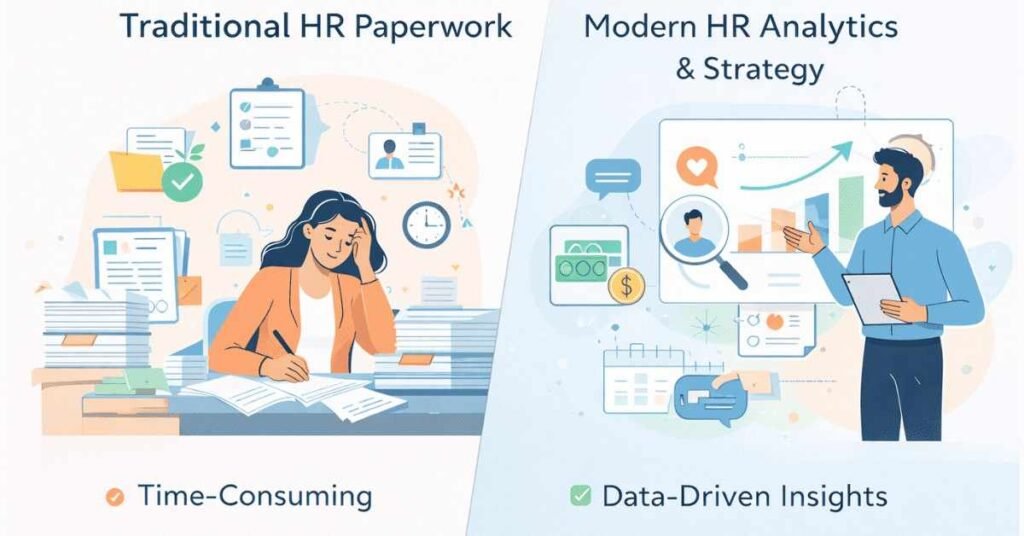
Understanding HR’s evolution helps explain why it’s such an exciting career today. Decades ago, “Personnel Management” focused primarily on administrative tasks—maintaining employee records, processing payroll, and ensuring basic compliance. HR professionals were seen as rule enforcers and paper-pushers rather than strategic contributors.
The shift began in the 1980s and 1990s when organizations recognized that competitive advantage increasingly came from having better talent than competitors. This sparked the transformation from Personnel to Human Resources—a subtle name change reflecting a profound shift in philosophy. Employees weren’t just “personnel” to be managed but “human resources” representing valuable assets to be developed and leveraged.
Today, we’re witnessing another evolution toward “People Operations” or “People & Culture” teams, particularly in modern companies and startups. This reflects an even more employee-centric approach focused on creating exceptional employee experiences rather than just managing human capital.
Modern HR professionals operate at multiple levels. They handle necessary administrative work efficiently, often using technology to automate routine tasks. They serve as employee advocates ensuring fair treatment and positive experiences. They act as change agents driving organizational transformation and culture building. Most importantly, they function as strategic business partners, sitting at leadership tables and influencing major business decisions.
In India’s evolving corporate landscape, this transformation is happening rapidly. Companies across sectors—from IT giants to manufacturing firms—are investing in strategic HR capabilities, creating tremendous opportunities for HR professionals who think beyond administration.
A Day in the Life: What HR Professionals Actually Do
HR work varies dramatically based on your specific role, seniority, organization size, and specialization. However, let’s walk through typical activities to give you a realistic picture.
Morning Activities
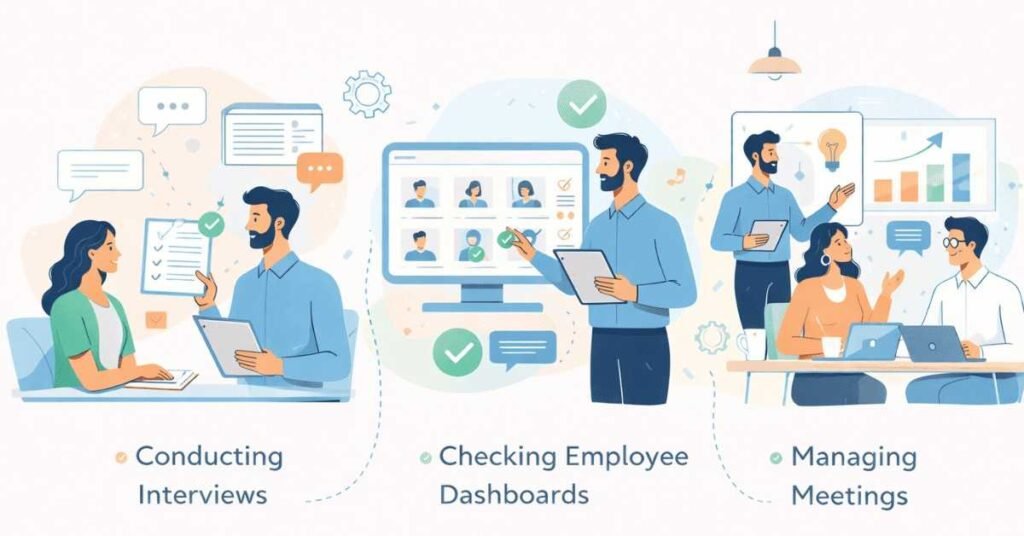
Your day might start by checking emails and responding to urgent employee queries about leave policies, payroll issues, or benefits questions. You’ll review applications for open positions, screening resumes and scheduling interviews for promising candidates. Many HR professionals hold morning meetings with hiring managers to discuss recruitment needs, with leadership teams to address people issues, or with their HR team to coordinate activities.
You might also review HR metrics and dashboards tracking key indicators like open positions, time-to-fill roles, employee turnover, and training completion rates. This data informs your priorities and helps you spot emerging issues early.
Mid-Day Responsibilities
The heart of your day often involves conducting or coordinating interviews for various positions, meeting with employees who have questions, concerns, or need guidance, working on HR projects like implementing new policies or systems, and coordinating with other departments on cross-functional initiatives.
For example, you might conduct three candidate interviews for different roles, each requiring you to assess technical skills, cultural fit, and potential. Between interviews, you handle an employee complaint about team dynamics that requires investigation. You also join a meeting with the finance team to discuss next year’s compensation budget.
Afternoon Tasks
Afternoons often focus on deeper work including processing documentation for new hires, promotions, or exits, developing or updating HR policies and procedures, analyzing HR data to identify trends and insights, preparing reports for leadership on workforce metrics, and planning employee engagement activities or training programs.
You might spend time researching labor law updates to ensure your company remains compliant, or working on a presentation for senior leadership about retention challenges and potential solutions. Perhaps you’re designing an employee survey to gauge engagement or planning the rollout of a new performance management system.
Ongoing Responsibilities
Throughout the day, you’re constantly handling unexpected situations—an employee resignation requiring exit interview and transition planning, a workplace conflict needing immediate mediation, urgent hiring needs due to business changes, or compliance issues requiring quick resolution.
This unpredictability is both challenging and rewarding. No two days are identical in HR, which keeps the work engaging but also requires flexibility and strong prioritization skills.
Core HR Responsibilities Explained
Let’s dive deeper into the key areas most HR professionals engage with:
Recruitment and Talent Acquisition
Finding and attracting the right talent is fundamental to HR. This involves understanding hiring needs by partnering with department heads to identify required skills and experience. You’ll write compelling job descriptions that attract qualified candidates while accurately representing roles. Sourcing candidates through multiple channels including job boards (Naukri, LinkedIn), social media, employee referrals, and campus recruitment is essential.
You’ll screen applications and conduct initial interviews to assess fit, coordinate interview processes involving multiple stakeholders, and evaluate candidates on both technical capabilities and cultural alignment. Finally, you’ll extend offers, negotiate terms, and close candidates before they accept competing offers.
In India’s competitive talent market, especially for in-demand skills in technology and specialized functions, effective recruiting makes the difference between organizational success and failure. Recruiters and talent acquisition specialists earn strong salaries (₹15-25 lakhs annually with experience) reflecting this critical importance.

Employee Onboarding and Integration
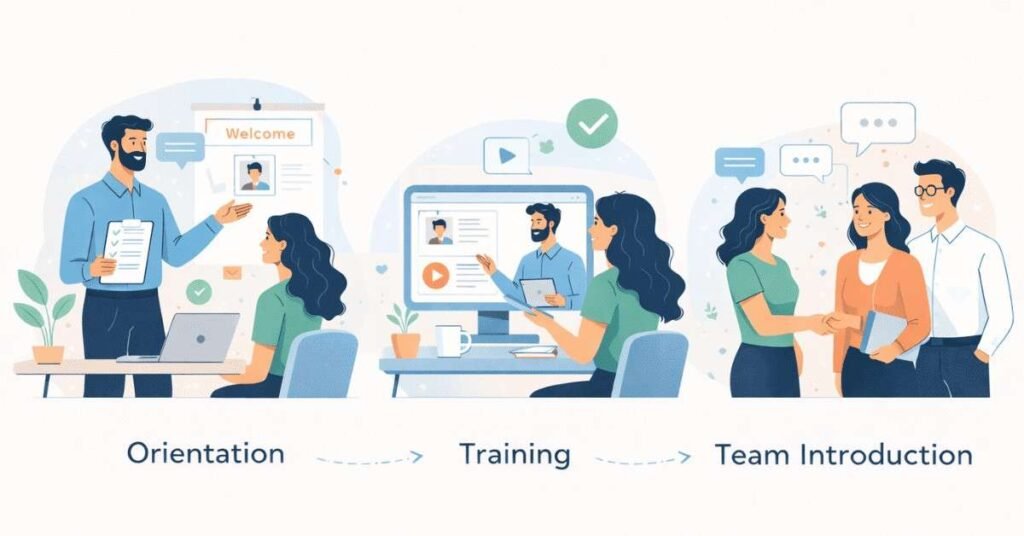
Getting new hires off to a strong start significantly impacts their long-term success and retention. Effective onboarding includes completing pre-joining formalities and documentation, conducting orientation sessions covering company culture, policies, and expectations, facilitating introductions to team members and key stakeholders, setting up IT access, workspace, and necessary tools, and establishing clear goals and expectations for the initial period.
Poor onboarding leads to early turnover, wasted hiring investment, and new employee frustration. Great onboarding creates engaged employees who ramp up quickly and stay longer.
Learning and Development
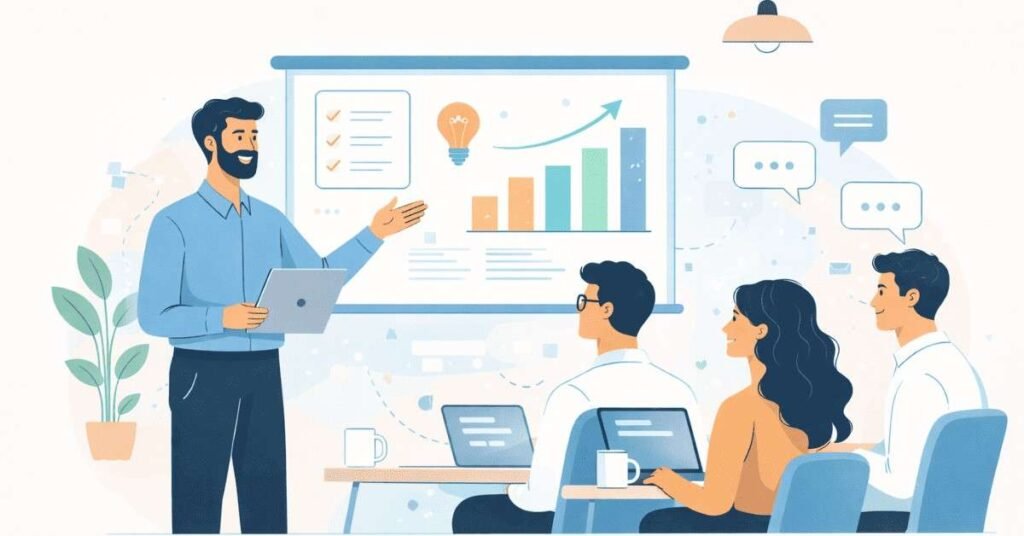
Helping employees grow their capabilities benefits both individuals and organizations. L&D responsibilities include identifying skill gaps through needs assessments, designing training programs covering technical skills, soft skills, and leadership development, delivering training through various formats (classroom, virtual, e-learning, coaching), managing learning management systems (LMS) that track training, measuring training effectiveness and ROI, and creating career development paths showing growth opportunities.
Companies increasingly recognize that investing in employee development improves retention, engagement, and performance. L&D specialists who can demonstrate measurable impact are highly valued.
Compensation and Benefits
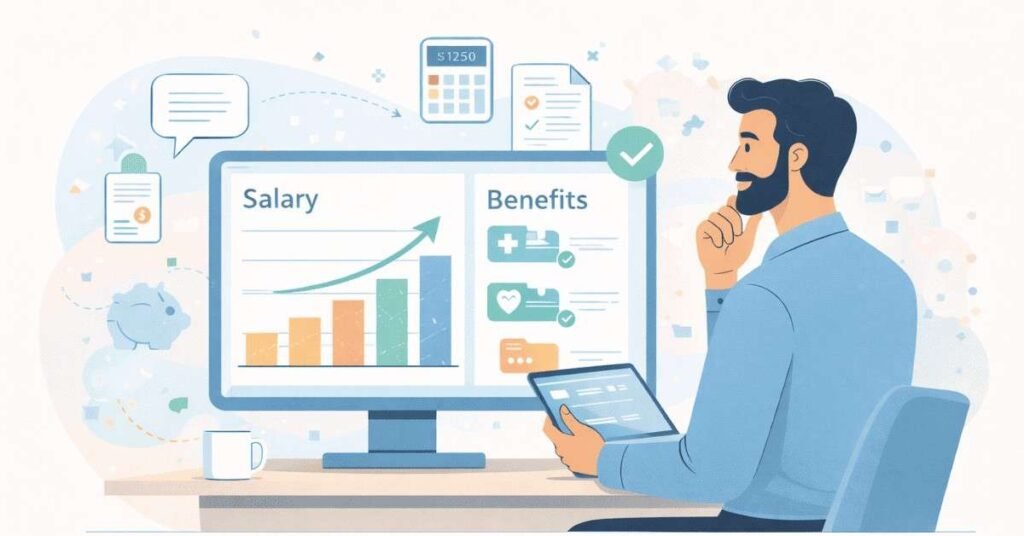
Fair, competitive compensation is crucial for attracting and retaining talent. C&B professionals conduct market research to benchmark salaries, design salary structures with clear pay grades and ranges, manage benefits programs including health insurance, leave policies, and retirement plans, administer variable pay and bonus programs, handle equity compensation in startups, and ensure internal pay equity across roles and demographics.
This work requires strong analytical skills, attention to detail, and discretion since you’re handling sensitive financial information. Compensation specialists earn solid salaries (₹8-20 lakhs) reflecting these specialized capabilities.
HR Compliance and Administration
Ensuring legal compliance protects organizations from significant risks. HR handles compliance with labor laws (Shops and Establishments Act, Industrial Disputes Act, minimum wage regulations), statutory requirements (PF, ESI, Gratuity, Professional Tax), workplace safety regulations, anti-discrimination and harassment laws, and data privacy regulations affecting employee information.
You’ll maintain accurate employee records and documentation, prepare and submit required regulatory reports, stay updated on changing laws and regulations, and implement policies ensuring organizational compliance.
While compliance work may seem administrative, it’s critically important. Non-compliance can result in hefty penalties, legal troubles, and reputational damage. HR compliance professionals earn ₹18-25 lakhs reflecting this responsibility.
HR Analytics and Reporting
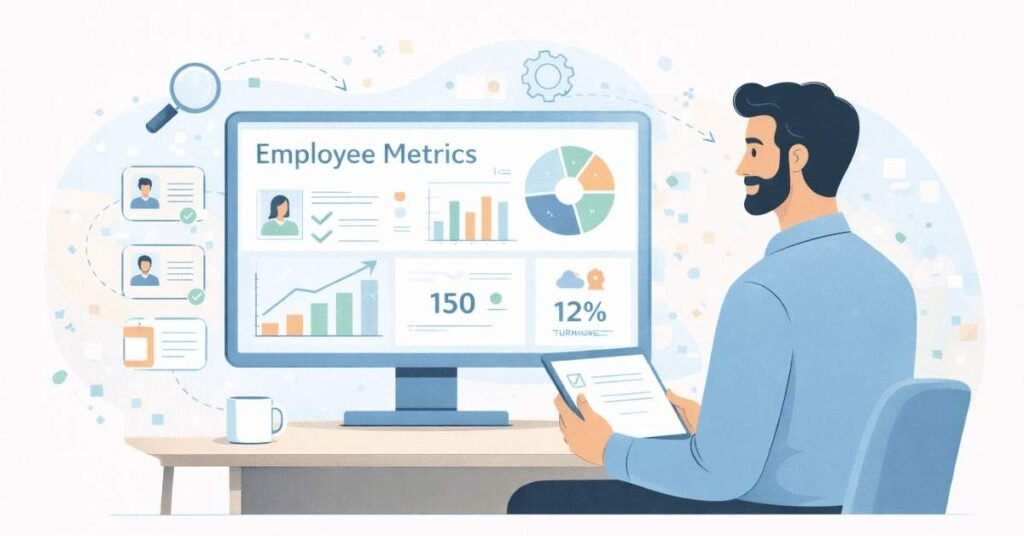
Increasingly, HR uses data to drive decisions and demonstrate impact. This includes tracking key metrics like turnover rates, time-to-fill positions, cost-per-hire, training completion rates, and employee engagement scores. You’ll analyze trends to identify issues and opportunities, create dashboards and reports for leadership visibility, build business cases for HR initiatives using data, and predict future outcomes using analytics.
Organizations are moving from intuition-based to data-driven HR decisions. Professionals comfortable with Excel, visualization tools, and basic statistics have distinct advantages in modern HR.
Essential Skills for HR Success
What makes someone successful in HR? While technical knowledge matters, several core competencies are crucial across all HR roles:
Communication Skills: You’ll constantly communicate with diverse audiences—executives, managers, employees at all levels. Clear writing for policies, emails, and reports is essential. Effective verbal communication for presentations, interviews, and difficult conversations is critical. Active listening to truly understand others’ perspectives and concerns matters immensely.
Emotional Intelligence: HR requires high EQ to build trust and rapport quickly with various personalities, manage your own emotions when dealing with stress or conflict, recognize and respond appropriately to others’ emotions, show empathy while maintaining professional boundaries, and navigate organizational politics wisely.
Problem-Solving and Critical Thinking: You’ll face complex situations requiring analysis of issues from multiple angles, considering implications and unintended consequences, creative solutions that balance competing interests, and sound judgment often with incomplete information.
Ethics and Integrity: HR handles confidential information about salaries, personal issues, and sensitive matters. You must maintain strict confidentiality, demonstrate fairness and consistency in decisions, act ethically even under pressure, and be trustworthy enough that people confide in you.
Business Acumen: Effective HR professionals understand how businesses operate and create value, their industry’s dynamics and competitive landscape, financial basics and how HR impacts business results, and organizational strategy and priorities. This business understanding separates administrative HR practitioners from strategic partners.
Adaptability and Resilience: HR can be unpredictable and sometimes emotionally draining. Success requires flexibility to handle changing priorities, resilience to bounce back from difficult situations, comfort with ambiguity and imperfect information, and calm presence during crises or conflicts.
Why Choose an HR Career?
What makes HR an attractive career path in 2026?
Meaningful Impact: Few careers let you directly improve people’s lives like HR does. You help candidates find jobs that change their trajectories. You develop employees’ capabilities opening new opportunities. You resolve conflicts improving workplace relationships. You build inclusive cultures where everyone belongs. The impact is tangible and rewarding.
Career Diversity: HR offers numerous paths matching different interests and strengths. People-oriented individuals might gravitate toward recruiting or employee relations. Analytical minds might prefer people analytics or compensation. Tech-savvy professionals might focus on HRIS. Strategic thinkers might pursue HR business partner roles. This diversity means you can find your niche.
Job Security: Every organization needs HR functions, providing solid job stability. While specific roles might fluctuate with business cycles (recruiting slows during downturns), core HR remains essential. Strategic HR professionals who demonstrate clear business value enjoy particularly strong job security.
Competitive Compensation: HR salaries in India range from ₹2.4-4.2 lakhs for entry-level to ₹25-45+ lakhs for senior leaders, with specialized roles earning even more. While not the absolute highest-paying field, HR offers comfortable middle-class to affluent lifestyle potential with experience.
Continuous Learning: HR constantly evolves with new technologies, changing laws, and shifting workplace dynamics. You’ll never stop learning, which keeps the work intellectually stimulating. The profession rewards curiosity and continuous skill development.
Transferable Skills: HR builds capabilities—communication, negotiation, conflict resolution, strategic thinking, data analysis—that serve you throughout life professionally and personally.
Is HR Right for You?
HR might be an excellent fit if you genuinely enjoy working with people and helping them succeed, can maintain confidentiality and earn others’ trust, handle stress and emotionally charged situations with composure, think both analytically and empathetically, care about fairness and ethical treatment, enjoy variety and don’t mind unpredictability, want to influence organizational culture and direction, and value purpose and impact alongside compensation.
HR might not be ideal if you strongly prefer working alone with minimal interaction, struggle with ambiguity and want clear right answers, become too emotionally invested in others’ problems, prefer purely analytical work without emotional complexity, or expect constant gratitude (HR sometimes makes unpopular but necessary decisions).
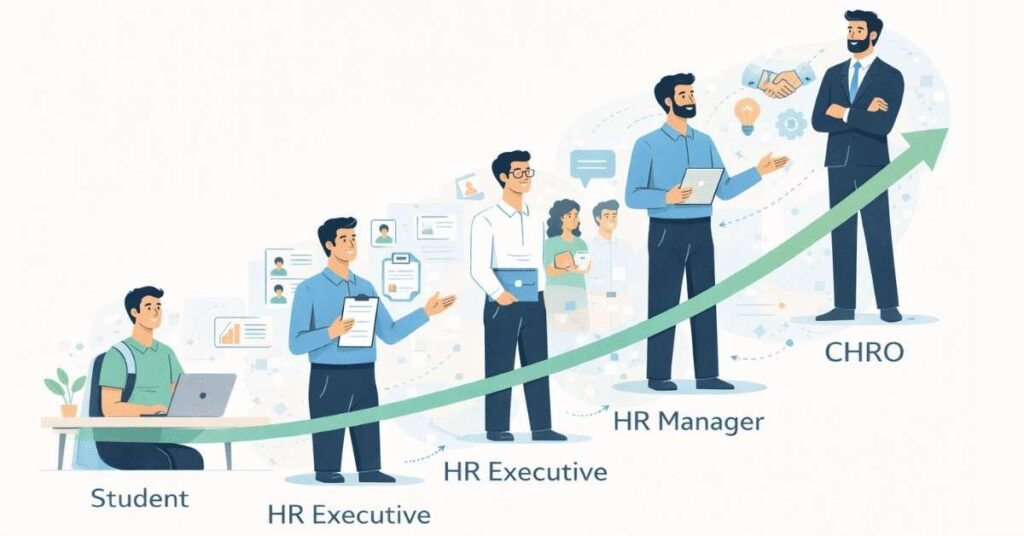
Taking Your First Steps
If you’re intrigued by HR, start exploring through gaining exposure via internships, project work, or entry-level positions, connecting with HR professionals on LinkedIn to learn about their experiences, reading HR content from sources like SHRM, People Matters, and HR blogs, taking introductory HR courses on platforms like Coursera or LinkedIn Learning, and attending HR events or joining student chapters of professional organizations.
Remember, many successful HR leaders didn’t start with HR degrees or even plan HR careers initially. They discovered HR through experience and developed passion for the work. The field welcomes career changers who bring diverse perspectives and experiences.
Human Resources offers a career combining purpose, challenge, variety, and growth. Whether you’re a student considering career options, a professional contemplating a switch, or simply curious about what HR professionals do, understanding the fundamentals helps you assess if this path aligns with your strengths and aspirations.
The question isn’t whether HR is a “good” career in absolute terms—it’s whether it’s the right career for you.