
COMPLIANCE OFFICER CAREER
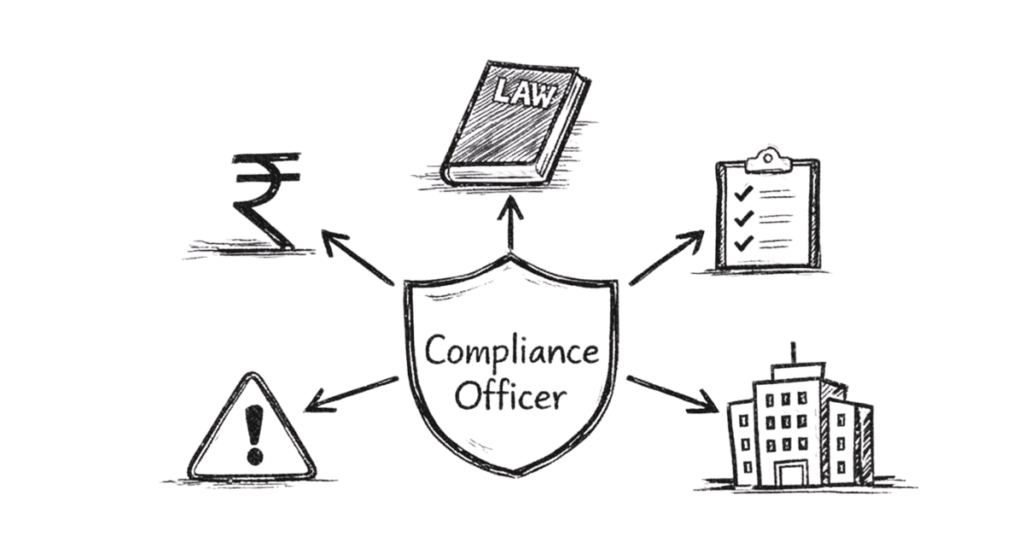
Table of Contents
Introduction:
Imagine being the person who prevents a company from making million-rupee mistakes before they happen. That’s essentially what compliance officers do every single day. While your friends might work in flashy sales roles or cutting-edge tech positions, you’d be the quiet guardian ensuring your organization stays on the right side of countless regulations—and trust me, companies are willing to pay handsomely for that peace of mind.6figr+1
Compliance has transformed from a boring back-office function into one of the most critical and well-compensated career paths in India. Why? Because regulatory landscapes have become incredibly complex. Data privacy laws, anti-money laundering rules, consumer protection regulations, and industry-specific compliance requirements create a minefield that businesses must navigate carefully. Get it wrong, and companies face massive penalties, reputational damage, and even criminal liability. This high-stakes environment makes skilled compliance professionals invaluable.simplilearn+1
The numbers tell an impressive story: compliance officers in India earn an average of ₹23.6 lakhs annually, with experienced professionals making between ₹17-50 lakhs per year. Chief Compliance Officers at senior levels can command ₹30-54 lakhs or more. If you’re analytical, detail-oriented, enjoy creating order from complexity, and like the idea of being your company’s ethical compass, compliance could be your perfect career path.policybazaar+1
What Does a Compliance Officer Actually Do?
Your Role as the Company's Guardian
Compliance officers serve as the bridge between complex regulations and practical business operations. Think of yourself as a translator—regulators write rules in dense legal language, and you convert those rules into clear policies that salespeople, engineers, HR staff, and everyone else can understand and follow.simplilearn
Your day typically starts by monitoring regulatory updates. Did the Reserve Bank of India issue new banking guidelines overnight? Has the Ministry of Corporate Affairs amended filing requirements? Did the Food Safety and Standards Authority update packaging regulations? You need to catch these changes early and assess how they impact your company.simplilearn
Once you identify relevant changes, you update internal policies accordingly. This isn’t just about changing a few lines in a policy document—you need to think through operational implications. If a new data privacy rule requires additional consent before collecting customer phone numbers, you’ll work with the IT team to modify registration forms, train the sales team on new procedures, and create audit mechanisms to verify compliance.innreg
Training employees forms another crucial part of your job. Regulations mean nothing if people don’t follow them. You’ll conduct workshops explaining why certain rules exist, demonstrate how to comply with daily processes, and answer questions that help people understand rather than just memorize procedures. Good compliance training makes people want to comply because they understand the purpose, not just because they fear punishment.
Core Responsibilities Breakdown
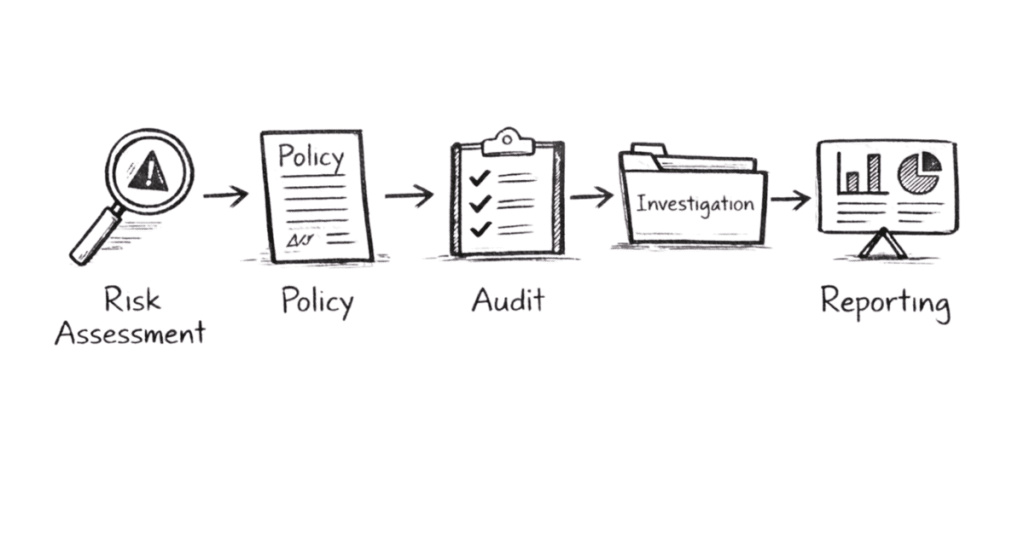
Risk Assessment and Management: You constantly evaluate where compliance risks exist in your organization. Maybe your company is expanding into a new state with different labor laws. Perhaps a new product line faces industry-specific regulations. Your job involves identifying these risks before they become problems, assessing their severity, and prioritizing which ones need immediate attention.innreg+1
Policy Development and Implementation: Creating compliance policies requires balancing legal requirements with operational practicality. A policy that’s technically perfect but impossible to follow won’t work. You draft policies, get feedback from operational teams, refine them based on ground realities, and then oversee implementation. This also means regular policy reviews—what worked two years ago might need updating based on business changes or new regulations.simplilearn
Internal Audits and Monitoring: Compliance officers design audit procedures to verify that policies are actually being followed. You might conduct surprise audits of customer contracts to check compliance with consumer protection laws. You’ll review employee expense reports to ensure anti-bribery policies are working. These audits aren’t about catching people making mistakes—they’re about identifying systemic issues before regulators find them.simplilearn
Regulatory Reporting: Many industries require regular compliance reporting to government bodies. Banks file returns with the RBI. Listed companies submit disclosures to SEBI. Healthcare providers report to licensing authorities. You’re responsible for ensuring these reports are accurate, complete, and submitted on time. Late or incorrect filings can trigger penalties or increased regulatory scrutiny.innreg
Investigation and Remediation: When potential violations occur—an employee might have accepted an inappropriate gift, or a customer complaint suggests mis-selling—you investigate. This involves gathering facts objectively, determining what happened, deciding if violations occurred, and recommending corrective actions. Sometimes investigations reveal innocent mistakes; other times, they uncover serious problems requiring major interventions.innreg+1
Stakeholder Communication: You’ll regularly communicate with various groups. Management needs compliance updates for board meetings. Department heads require guidance on new regulations affecting their areas. External auditors want documentation proving your compliance programs work. Regulatory authorities might request information during inspections. Clear communication skills become essential when you’re explaining complex rules to people with varying levels of legal understanding.i
Industries Where Compliance Officers Thrive
Banking and Financial Services
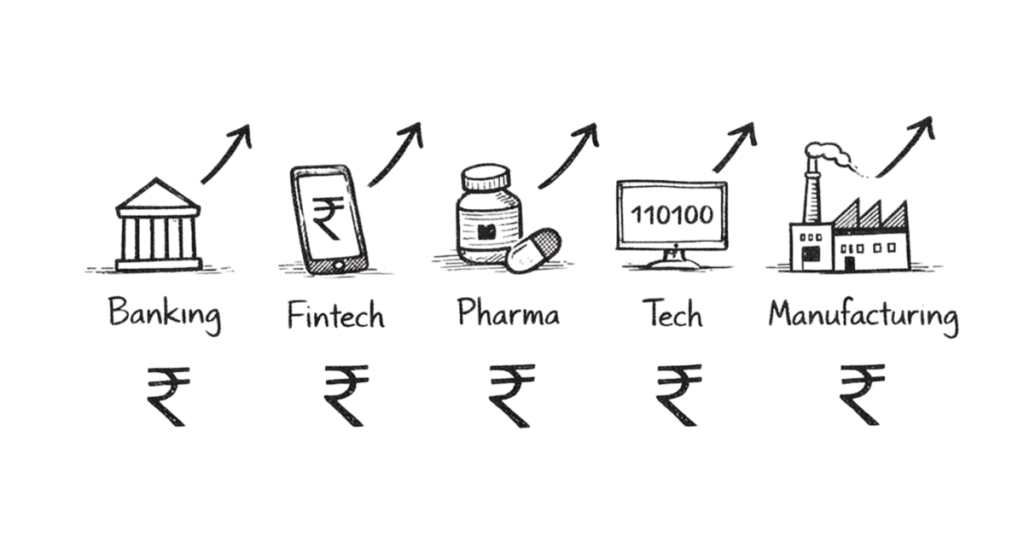
Financial institutions face some of the strictest compliance requirements in any industry. Banks must comply with RBI regulations covering everything from capital adequacy to customer data protection. Anti-Money Laundering (AML) and Know Your Customer (KYC) requirements demand rigorous verification processes. Consumer protection rules govern how products can be marketed and sold.radviser
Compliance officers in banking earn strong salaries reflecting this complexity—HDFC Bank pays around ₹13 lakhs, Axis Bank offers ₹9.2 lakhs, while multinational banks like HSBC and Citi offer ₹10-16 lakhs for compliance roles. These positions provide excellent learning because of the comprehensive regulatory framework.radviser
What you’ll handle: AML/KYC compliance, regulatory reporting to RBI, consumer protection compliance, fraud prevention, internal audit coordination, and regulatory examination support.
Fintech and Payment Companies
ndia’s digital payments and fintech explosion has created massive demand for compliance professionals who understand both technology and financial regulations. Companies like PayPal, Razorpay, Paytm, and PhonePe need compliance officers who can navigate payment system regulations, data privacy laws, and consumer protection rules while supporting rapid business innovation.radviser
Fintech compliance roles often pay premiums—PayPal offers ₹14 lakhs for senior compliance officers. The work environment tends to be dynamic, with faster decision-making than traditional banks but equal regulatory complexity.radviser
What you’ll handle: Payment system compliance, data privacy (DPDP Act), consumer protection rules, cross-border payment regulations, fraud monitoring, and regulatory license maintenance.
Pharmaceutical and Healthcare
Drug manufacturing, clinical trials, and healthcare services face extensive regulatory oversight from authorities like the Central Drugs Standard Control Organization (CDSCO), Food Safety and Standards Authority of India (FSSAI), and state medical councils. Compliance officers ensure products meet quality standards, marketing claims are substantiated, and clinical trials follow ethical guidelines.
Companies like Glenmark pay premium salaries of ₹30-40 lakhs for experienced compliance officers. Healthcare compliance work offers deep specialization opportunities and the satisfaction of knowing your work protects patient safety.radviser
What you’ll handle: Drug manufacturing compliance (GMP standards), clinical trial oversight, marketing compliance, adverse event reporting, regulatory approvals for new products, and inspection readiness.
Technology and E-Commerce
Tech companies face evolving compliance challenges around data privacy, consumer protection, intellectual property, and platform liability. E-commerce companies must comply with consumer protection rules, GST regulations, product safety standards, and advertising guidelines.
Companies like Amazon offer competitive packages around ₹7 lakhs for senior compliance roles. Tech company culture often provides better work-life balance and modern work environments compared to traditional industries.radviser
What you’ll handle: Data privacy compliance (DPDP Act, GDPR for international operations), consumer protection rules, platform governance, content moderation policies, intellectual property protection, and advertising compliance.
Manufacturing and Industrial Sectors
Manufacturing companies deal with environmental regulations, labor laws, quality standards, and industry-specific certifications. Whether it’s automotive, textiles, chemicals, or consumer goods, compliance officers ensure factories operate within legal frameworks while maintaining productivity.
Salaries vary significantly by company size and industry, typically ranging from ₹6-20 lakhs. Manufacturing compliance offers hands-on operational involvement since you’re working directly with production processes.6figr+1
What you’ll handle: Environmental compliance (pollution control, waste management), workplace safety regulations, labor law compliance, quality certifications (ISO standards), and regulatory audits.
Insurance Companies
Insurance is heavily regulated by IRDAI (Insurance Regulatory and Development Authority of India). Compliance officers ensure product designs meet regulatory requirements, sales practices protect consumers, and claims handling follows prescribed procedures.
What you’ll handle: Product approval processes, sales practice compliance, grievance redressal mechanisms, regulatory reporting, and agent training on compliance matters.
Educational Background and Qualifications
Degree Requirements
Unlike some legal careers that mandate specific degrees, compliance roles are more flexible about educational backgrounds. However, certain qualifications make you much more competitive:simplilearn
Law Degrees (LLB): A law degree provides the strongest foundation for compliance work. You’ll understand how to read and interpret regulations, appreciate legal risks, and draft policies with legal precision. Both 3-year and 5-year integrated LLB programs work well for compliance careers.
Commerce Degrees (BCom, MCom): Commerce graduates understand financial regulations, taxation, and accounting—valuable knowledge for compliance in banking, fintech, and corporate sectors. Many compliance officers in financial services come from commerce backgrounds.
Business Administration (BBA, MBA): Business degrees help you understand organizational operations, making your compliance policies more practical and implementable. An MBA with specialization in finance, operations, or risk management complements compliance work perfectly.
Subject-Matter Expertise: For specialized compliance roles, relevant undergraduate degrees help tremendously. Pharmacy graduates excel in pharmaceutical compliance. Engineers understand technical aspects of manufacturing compliance. Science graduates work well in environmental compliance roles.
Professional Certifications
Certifications significantly boost your credibility and earning potential in compliance careers:corporatecompliance+1
Certified Compliance & Ethics Professional (CCEP): Offered by the Society of Corporate Compliance and Ethics (SCCE), this internationally recognized certification demonstrates comprehensive compliance knowledge. The certification requires passing an exam covering compliance program design, legal requirements, risk assessment, and ethics. It’s valid for two years and requires continuing education to maintain.
Certified Compliance & Ethics Professional – International (CCEP-I): Similar to CCEP but with a broader international focus. This certification shows expertise in global compliance frameworks, making you valuable for multinational companies or firms with cross-border operations. Like CCEP, it requires exam success and ongoing professional development.
Certified Regulatory Compliance Manager (CRCM): Particularly valuable for banking compliance, this certification focuses on consumer protection regulations, lending compliance, and bank-specific rules. Banks actively seek CRCM-certified professionals.
Certified Information Privacy Professional (CIPP): As data privacy becomes critical, CIPP certification from the International Association of Privacy Professionals (IAPP) demonstrates expertise in privacy laws like GDPR and India’s DPDP Act. This certification has multiple variants—CIPP/E for Europe, CIPP/Asia for Asian privacy laws.
Industry-Specific Certifications: Pharmaceutical compliance professionals pursue certifications in Good Manufacturing Practice (GMP) or Clinical Research Organization (CRO) standards. Healthcare compliance officers might get certified in HIPAA compliance (relevant when working with US healthcare data). Environmental compliance specialists pursue certifications in ISO 14001 or environmental management systems.
Certified Fraud Examiner (CFE): For compliance roles focusing on fraud prevention and investigation, CFE certification provides specialized knowledge in fraud detection, prevention, and investigation methodologies.
Essential Skills for Compliance Success
Technical Competencies
Regulatory Knowledge: Deep understanding of laws and regulations affecting your industry is fundamental. You can’t ensure compliance with rules you don’t understand. This means continuous learning—subscribing to regulatory update services, attending industry seminars, and networking with other compliance professionals to share knowledge.simplilearn
Risk Assessment: You need analytical abilities to evaluate which compliance risks pose the greatest threats. Not all risks are equal—some violations might result in minor fines while others could shut down business operations or lead to criminal prosecution. Effective compliance officers prioritize resources where risks are highest.innreg+1
Policy Writing: Creating clear, practical policies requires writing skills that balance legal precision with readability. Your policies need enough detail to guide behavior but shouldn’t read like legal documents that nobody understands. Good policy writing uses plain language, provides examples, and explains the “why” behind rules.simplilearn
Audit and Investigation Skills: Conducting compliance audits means knowing what to look for, how to gather evidence objectively, and how to document findings properly. Investigation skills help you get to the truth when potential violations arise without creating defensive reactions from employees.simplilearn
Data Analysis: Modern compliance increasingly involves analyzing data patterns to identify risks. You might analyze transaction data to spot suspicious patterns indicating money laundering. You could review customer complaint data to identify mis-selling trends. Comfort with Excel and basic data analysis tools helps tremendously.innreg
Soft Skills That Matter
Communication Excellence: You’ll constantly explain complex regulations to people with varying backgrounds. Senior management needs big-picture compliance risk updates. Operational teams need practical guidance on daily compliance. External regulators require detailed technical responses. Adapting your communication style to different audiences is crucial.innreg
Diplomacy and Influence: Compliance officers enforce rules without formal authority over most employees. You can’t just order the sales team to follow new processes—you need to persuade them that compliance serves their interests too. This requires diplomatic skills and the ability to influence without authority.innreg
Attention to Detail: Small details matter enormously in compliance. A single missed filing deadline, an overlooked clause in a contract, or an inadequately documented audit could create significant problems. Successful compliance professionals develop meticulous attention to detail without losing sight of bigger strategic issues.innreg
Ethical Integrity: You’ll face pressure from business colleagues who want to bend rules to achieve targets or from leadership that doesn’t want to hear about compliance obstacles. Your willingness to stand firm on important compliance matters, even when it’s uncomfortable, defines your effectiveness. Companies hire compliance officers precisely because they need people who won’t compromise on important rules.innreg
Adaptability: Regulations change constantly, business strategies evolve, and new compliance challenges emerge. The ability to quickly learn new areas, adapt policies to changing circumstances, and remain calm amid ambiguity serves you well in compliance careers.simplilearn
Problem-Solving: Compliance work involves finding ways to achieve business objectives within regulatory constraints. When the business team wants to launch a new product but regulations create obstacles, they’re looking to you for creative solutions that work legally. Good compliance officers say “here’s how we can do it compliantly” rather than just “no, that’s not allowed.”s

Salary and Compensation
Entry-Level Earnings (0-3 Years)
Starting salaries for compliance officers vary significantly based on industry, company size, and location. Entry-level compliance roles typically offer ₹3.5-6 lakhs annually. This might seem modest compared to some other professional paths, but compliance salaries grow substantially with experience.salaryband+1
Factors affecting entry-level pay:
- Industry matters tremendously: Financial services typically pays ₹5-7 lakhs for entry roles, while manufacturing or smaller companies might start at ₹3.5-5 lakhs.salaryband+1
- Location influences compensation: Metro cities like Mumbai, Bangalore, and Delhi offer 20-30% higher salaries than tier-2 cities for similar roles.payscale
- Company size: Large corporations and multinational companies pay better than small or mid-sized firms.radviser
- Educational credentials: Candidates with law degrees or relevant certifications often command premium starting salaries.simplilearn
Mid-Level Compensation (4-10 Years)
This is where compliance careers become financially attractive. Mid-level compliance officers with 5-7 years of experience earn an average of ₹12-24 lakhs annually. The wide range reflects specialization, industry, and specific role scope.6figr+1
Salary examples by company:radviser
- HDFC Bank: ₹13 lakhs
- PayPal: ₹14 lakhs
- BNY Mellon: ₹16 lakhs
- DXC Technology: ₹15 lakhs
Mid-career is when specialization pays dividends. Compliance officers who develop expertise in high-demand areas like AML, data privacy, or pharmaceutical compliance command premium salaries. Those who take on management responsibilities—supervising junior compliance staff or leading compliance programs—also earn more.acciyo
Senior-Level Earnings (10+ Years)
Senior compliance professionals enjoy impressive compensation. Compliance Managers and Senior Compliance Officers with over a decade of experience earn ₹25-40 lakhs annually. Chief Compliance Officers (CCOs) at large organizations command ₹30-54+ lakhs.policybazaar+1
Top earners in compliance (top 10%) make over ₹37 lakhs annually, while the highest-paid professionals earn ₹50-54 lakhs or more. These senior roles typically involve:6figr
- Leading entire compliance functions for large organizations
- Managing teams of compliance professionals
- Serving on executive leadership teams
- Reporting directly to the CEO or Board of Directors
- Representing the company with regulators during inspections or investigations
Premium salary sectors:radviser
- Pharmaceuticals: Glenmark pays ₹30-40 lakhs for experienced compliance officers
- Banking: Senior compliance roles at major banks offer ₹20-35 lakhs
- Fintech: Fast-growing payment companies pay ₹18-30 lakhs for senior positions
- Multinational Corporations: Global companies typically offer ₹25-45 lakhs plus strong benefits
Additional Compensation Components
Beyond base salary, many compliance roles include:policybazaar
- Performance Bonuses: 10-20% of base salary based on annual performance
- Stock Options/ESOPs: Technology companies and startups often provide equity compensation
- Professional Development Allowances: Companies fund certifications, training, and conference attendance
- Insurance Benefits: Directors and Officers (D&O) liability insurance protects senior compliance officers from personal liabilitypolicybazaar
- Retirement Benefits: EPF, gratuity, and sometimes additional superannuation benefits
Career Progression Path
Entry Point: Compliance Analyst / Assistant (0-2 Years)
Most compliance careers start here. You’ll support senior compliance officers by conducting routine audits, maintaining compliance documentation, tracking regulatory changes, and helping implement policies. Think of this phase as your apprenticeship—you’re learning what compliance looks like in practice.simplilearn
Focus areas:
- Master compliance basics in your industry
- Develop strong documentation habits
- Learn to use compliance management software
- Build relationships across departments
- Understand your company’s business model thoroughly
Early Career: Compliance Officer (3-6 Years)
With a few years’ experience, you become a full compliance officer handling matters more independently. You’ll manage specific compliance areas—perhaps AML compliance for a bank, or data privacy for a tech company. You might start training others and leading small projects.simplilearn
Focus areas:
- Develop specialization in high-value compliance areas
- Take ownership of compliance projects
- Build cross-functional relationships
- Consider pursuing relevant certificationscorporatecompliance+1
- Start mentoring junior compliance staff
Mid-Career: Senior Compliance Officer / Manager (7-12 Years)
Senior roles involve broader responsibility and strategic thinking. You’re not just implementing policies—you’re designing compliance programs, managing compliance teams, and advising senior leadership on compliance strategy. You might specialize deeply (becoming the company’s AML expert) or manage broadly (overseeing multiple compliance areas).innreg
Focus areas:
- Develop leadership and team management skills
- Build strategic thinking abilities
- Network with compliance professionals outside your company
- Publish articles or speak at conferences to build reputation
- Consider advanced certifications like CCEPcorporatecompliance
Senior Leadership: Chief Compliance Officer / VP Compliance (12+ Years)
At this level, you lead the entire compliance function. You report to the CEO or Board, represent compliance in executive decisions, manage significant budgets, and take ultimate responsibility for the organization’s compliance posture. This role combines compliance expertise with executive leadership skills.policybazaar+1
Responsibilities include:
- Setting compliance strategy aligned with business objectives
- Managing compliance teams and budgets
- Building relationships with external regulators
- Advising the Board on compliance risks and mitigation strategies
- Leading major compliance initiatives like system implementations or program transformations
- Representing the company during regulatory examinations
Alternative senior paths:
- Compliance Consultant: Independent consultants advise multiple clients, offering flexibility and potentially higher earnings
- Regulatory Affairs: Some compliance professionals transition to directly working with regulators or industry associations
- Risk Management: Compliance skills transfer well to broader enterprise risk management roles
Legal Leadership: Compliance officers with law degrees might move to General Counsel positions
Building Your Compliance Career: Practical Steps
For Recent Graduates
Step 1: Choose Your Industry Focus Early
During your education, start narrowing down which industries interest you. Banking compliance differs dramatically from pharmaceutical compliance. Your choice affects which regulations you’ll learn, which certifications matter, and what daily work looks like. Consider:
- What subjects interest you? (Finance students naturally fit banking compliance)
- Which industries are growing? (Fintech, healthcare, and tech have strong demand)
- Where do your values align? (Some people love financial regulations; others prefer environmental compliance)
Step 2: Gain Relevant Internships
Practical experience separates competitive candidates from others. Seek internships with:
- Compliance departments in companies within your target industry
- Risk consulting firms that offer compliance services
- Regulatory bodies to understand the regulator’s perspective
- Legal firms with strong regulatory practices
Even a 2-3 month internship teaches you more about daily compliance work than any textbook.
Step 3: Build Foundational Knowledge
Start learning relevant regulations while still in college:
- Read regulatory circulars and guidelines (RBI circulars are publicly available)
- Follow compliance thought leaders on LinkedIn
- Join professional associations offering student memberships
- Take online courses covering your industry’s key regulations
Step 4: Develop Technical Skills
Learn tools commonly used in compliance:
- Advanced Excel for data analysis and reporting
- Compliance management software (research what your target industry uses)
- Basic data analysis tools
- Legal research databases
Step 5: Network Strategically
Compliance is a relationship-driven field. Start building connections:
- Attend compliance conferences and seminars
- Join LinkedIn groups focused on compliance in your target industry
- Connect with compliance professionals and request informational interviews
- Participate in compliance-related webinars and ask thoughtful questions
For Career Changers
Leverage Transferable Skills:
Many professionals successfully transition into compliance from other fields:
- Auditors already understand risk assessment and documentation
- Legal professionals bring regulatory interpretation skills
- Finance professionals understand financial regulations and risk
- Operations managers know how to implement processes across organizations
- IT professionals transition into technology compliance or data privacy roles
Start with Related Roles:
You might not jump directly into a senior compliance position. Consider entry points like:
- Compliance analyst roles in your current industry
- Internal audit positions with compliance components
- Risk management roles that include compliance aspects
- Legal assistant positions in compliance-heavy practices
Pursue Relevant Certifications:
Certifications help bridge experience gaps. A career changer with a strong CCEP certification demonstrates commitment and knowledge that compensates for limited direct experience.corporatecompliance+1
Highlight Relevant Experience:
In your resume and interviews, emphasize experiences that translate to compliance:
- Process improvement projects (show systematic thinking)
- Training you’ve delivered (compliance requires constant training)
- Policy development work (directly relevant)
- Audit or quality control experience (similar skill sets)
- Cross-functional project management (compliance requires working across silos)
Challenges in Compliance Careers
Balancing Business Pressure with Regulatory Requirements
Your biggest challenge will be saying “no” when necessary while maintaining productive relationships. Business teams want to move fast and maximize revenue. Compliance sometimes requires slowing down or rejecting profitable ideas because they violate regulations. This tension creates uncomfortable situations.innreg
Managing it: Focus on being a problem-solver, not just a rule-enforcer. When you must deny a business request, try offering compliant alternatives. Explain risks in business terms (potential penalties, reputational damage) rather than just citing regulations. Build trust by sometimes helping business teams find creative compliant solutions to tough challenges.
Keeping Up with Regulatory Changes
Regulations never stop changing. New laws pass, existing rules get amended, and regulators issue fresh guidance constantly. Staying current requires continuous learning that never ends.simplilearn
Managing it: Build systematic processes for monitoring changes. Subscribe to regulatory update services. Set aside dedicated time weekly for professional reading. Join industry associations that circulate regulatory updates. Create a network of compliance peers who share information about new developments.
Limited Resources
Many organizations underinvest in compliance until they face a major penalty or regulatory action. You might struggle with inadequate budgets, insufficient staff, or outdated compliance technology.
Managing it: Build business cases showing how compliance investments prevent much larger costs. Document compliance risks clearly so leadership understands potential consequences of inaction. Prioritize ruthlessly—you can’t address every risk simultaneously with limited resources. Focus on highest-impact, highest-risk areas first.
Being the “Department of No”
Compliance officers sometimes develop reputations as obstacles who kill good ideas. This perception damages your effectiveness and job satisfaction.
Managing it: Reframe how you present compliance guidance. Instead of “We can’t do that,” try “Here’s how we could do something similar within regulations.” Celebrate when compliance enables good outcomes, not just when you prevent problems. Build relationships across the company so people see you as a helpful partner, not an adversary.
Stress and Liability Concerns
Compliance failures can have serious consequences—not just for your company, but potentially for you personally. Senior compliance officers increasingly seek Directors and Officers (D&O) liability insurance to protect against personal legal liability for company compliance failures.policybazaar
Managing it: Document your advice and recommendations thoroughly. When you identify risks and leadership chooses to accept them, ensure that acceptance is documented. Build strong ethical boundaries—know which compromises you’re willing to make and which are non-negotiable. Take care of your mental health through stress management practices.
Why Compliance Careers Are Growing
Regulatory Complexity Increases Continuously
Every year brings new regulations. Data privacy laws like India’s Digital Personal Data Protection Act create entirely new compliance requirements. Environmental regulations tighten as climate concerns grow. Financial regulations evolve after each crisis. This trend shows no signs of slowing.acciyo
More regulations mean more compliance work, which means more compliance jobs.
Penalties Are Getting Severe
Regulators are imposing larger penalties and pursuing individual accountability more aggressively. Companies that previously viewed compliance violations as manageable costs now face penalties that genuinely hurt financially. This changes the compliance function from a “nice-to-have” to a “must-have.”policybazaar
Technology Creates New Compliance Challenges
Digital transformation creates compliance questions that didn’t exist before. How do you comply with data localization rules in cloud environments? What are the compliance implications of using AI in credit decisions? How do you ensure regulatory compliance in automated trading systems? Companies need compliance professionals who understand both technology and regulations.simplilearn
Globalization Complicates Compliance
Indian companies operating internationally must comply with foreign regulations—GDPR in Europe, anti-bribery laws in the US, and various local laws. Foreign companies in India must navigate Indian regulations. This cross-border complexity creates demand for compliance professionals with international regulatory knowledge.corporatecompliance
Stakeholder Expectations
Beyond regulators, multiple stakeholders now care about compliance. Investors ask about compliance risks during due diligence. Customers choose vendors partly based on compliance reputation. Employees want ethical employers. This broader stakeholder focus elevates compliance’s organizational importance.
Is Compliance Right for You?
You’ll Thrive in Compliance If You:
- Enjoy creating order and structure from complex information
- Like being the person who helps others do the right thing
- Appreciate intellectual challenges of interpreting and applying regulations
- Find satisfaction in preventing problems before they occur
- Don’t mind being behind-the-scenes rather than in the spotlight
- Possess strong ethical standards and won’t compromise on important principles
- Can stay calm when delivering unpopular messages
- Enjoy continuous learning about new regulations and business areas
You Might Struggle If You:
- Dislike detailed documentation and paperwork
- Prefer creative work with few constraints
- Find rules and regulations boring or frustrating
- Want immediate visible impact from your work
- Struggle with saying “no” to people you like
- Prefer independent work rather than constant collaboration
- Dislike being seen as the person who creates obstacles
The Honest Reality
Compliance careers offer strong compensation, job security, intellectual challenge, and the satisfaction of protecting your organization. The work matters—compliance failures can destroy companies and harm consumers. You’ll constantly learn because regulations never stop evolving.acciyo+1
However, compliance isn’t glamorous. You won’t often receive recognition when things go well (because nothing bad happened). You’ll sometimes be unpopular when enforcing rules people dislike. The work can be detail-intensive and occasionally monotonous.
But for people who enjoy bringing order to complexity, who take pride in doing things correctly, and who want careers combining decent pay with genuine social value, compliance offers an excellent path. The field is growing, the pay is competitive, and the work is meaningful. If that resonates with you, compliance deserves serious consideration.