
Why Renewable Energy is the Future (and Why You Should Care)
Table of Contents
Introduction
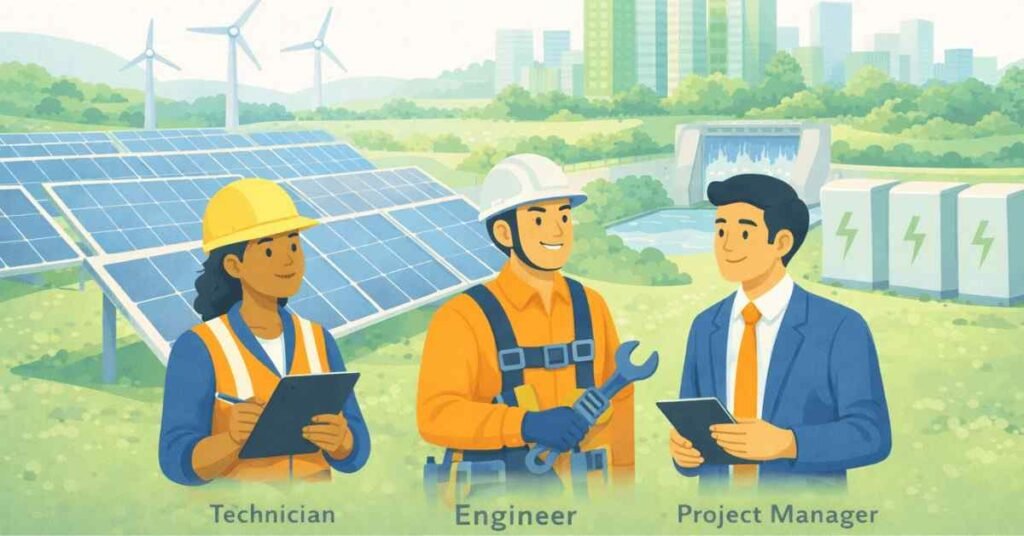
Imagine a world where electricity comes from sunlight, wind, and water instead of coal and gas. That’s not a dream — it’s already happening, and it’s growing fast. In India, the government wants 500 GW of renewable energy by 2030, and globally, countries are racing to cut pollution and fight climate change. This means one thing for students and job seekers: renewable energy is one of the safest, most future‑proof career paths today.
What is Renewable Energy?
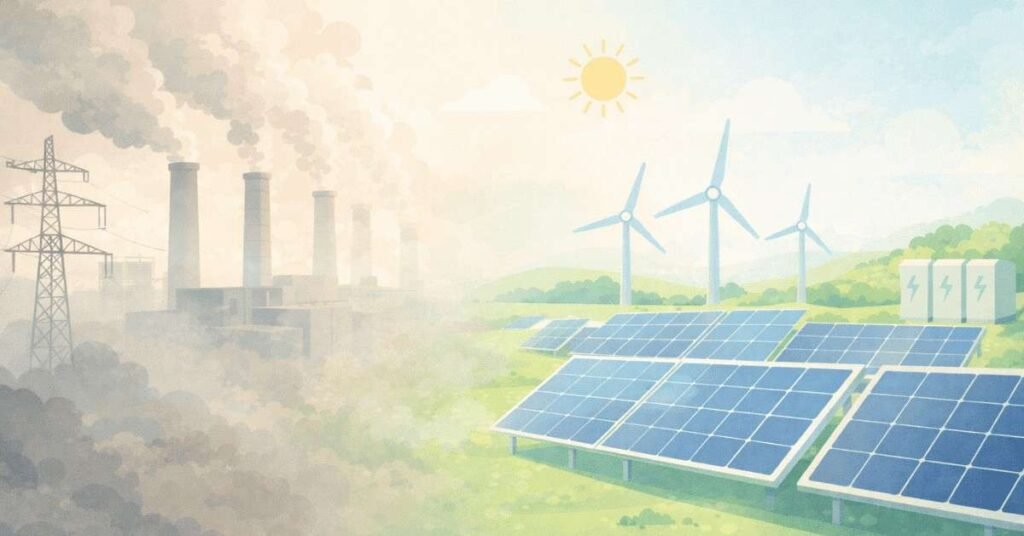
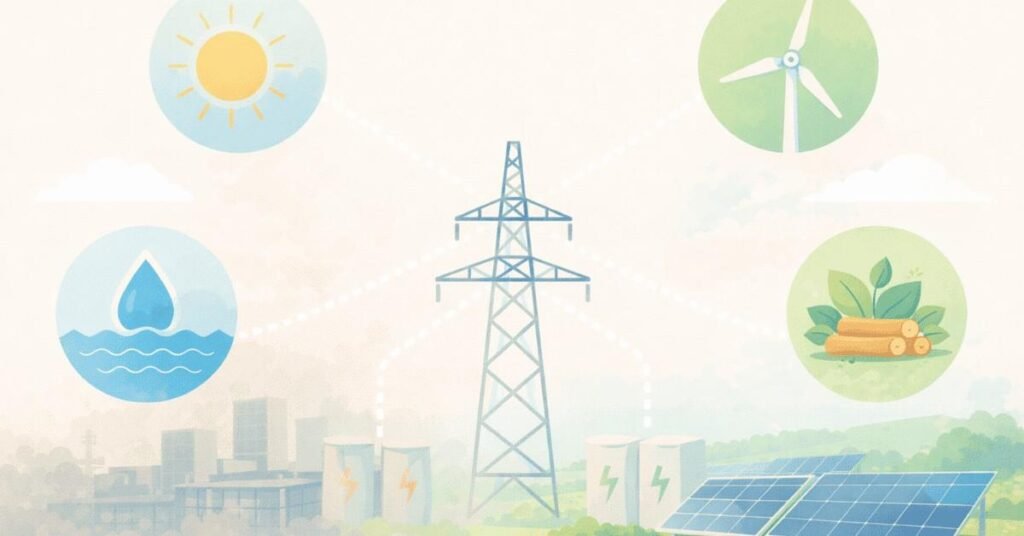
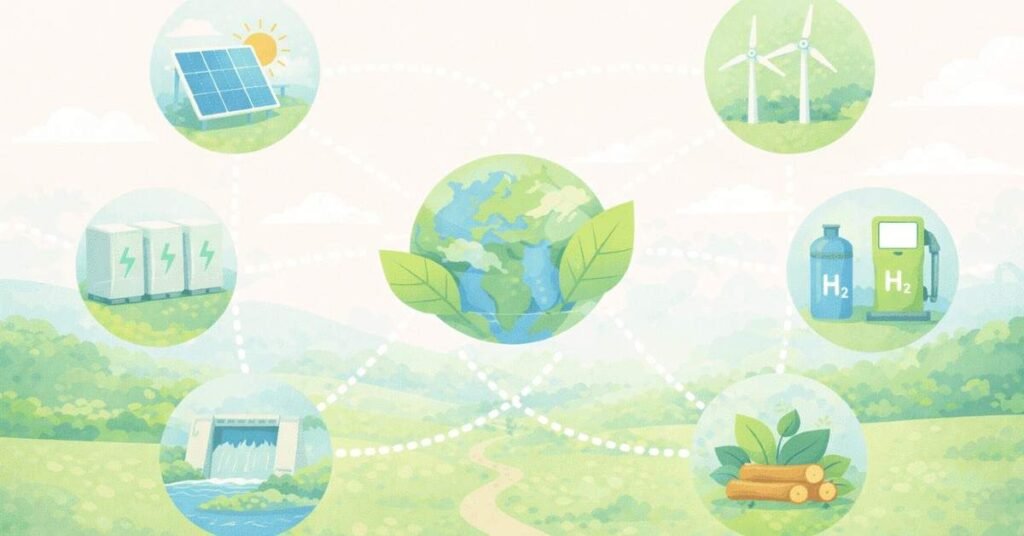
Renewable energy comes from sources that never run out (or renew quickly), like:
- Sunlight → Solar power
- Wind → Wind turbines
- Water → Hydropower
- Plants and waste → Biomass and biofuels
- Hydrogen → Green hydrogen (made using renewable electricity)
These are also called clean tech or green energy because they pollute much less than coal, oil, and gas.
Why Choose a Career in Clean Tech?
- Jobs are growing fast
India alone will need over 3 million people in renewable energy by 2030. Globally, clean energy jobs are growing 3–4× faster than the rest of the economy. - Good salaries and stability
Entry‑level jobs start around ₹3–6 LPA, and with experience, many roles cross ₹10–20 LPA or more, especially in engineering, project management, and consulting. - You actually make a difference
Unlike many desk jobs, clean tech work directly helps reduce pollution, save forests, and protect the climate. If you care about the planet, this is where you can turn that care into a career. - Global opportunities
Skills in solar, wind, batteries, and green hydrogen are in demand everywhere — from India and the Middle East to Europe and the USA.
Types of Renewable Energy Sectors (Where You Can Work)
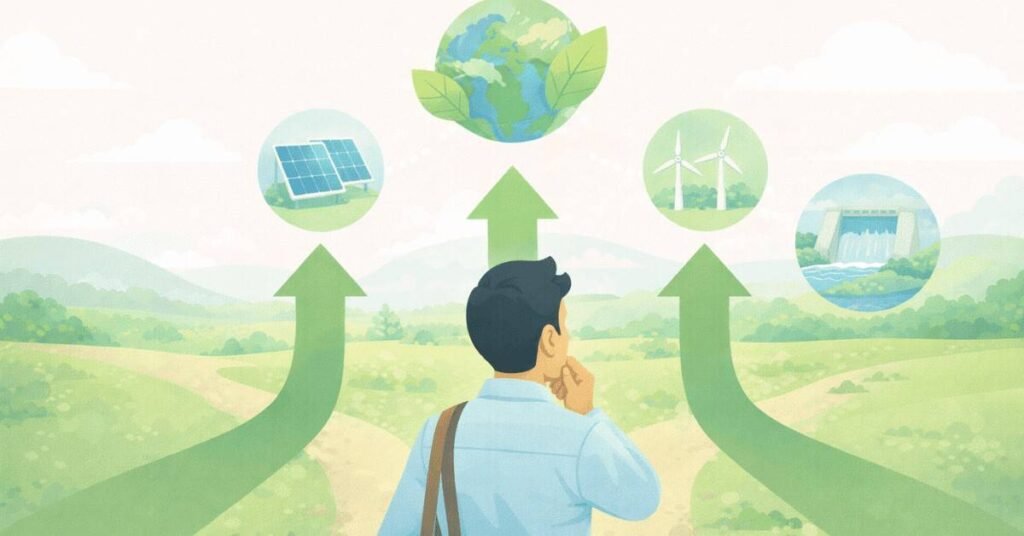
The clean energy world is not just about solar panels. It’s a big ecosystem with many different sectors. Here’s a simple breakdown:
1. Solar Power (Sunlight → Electricity)
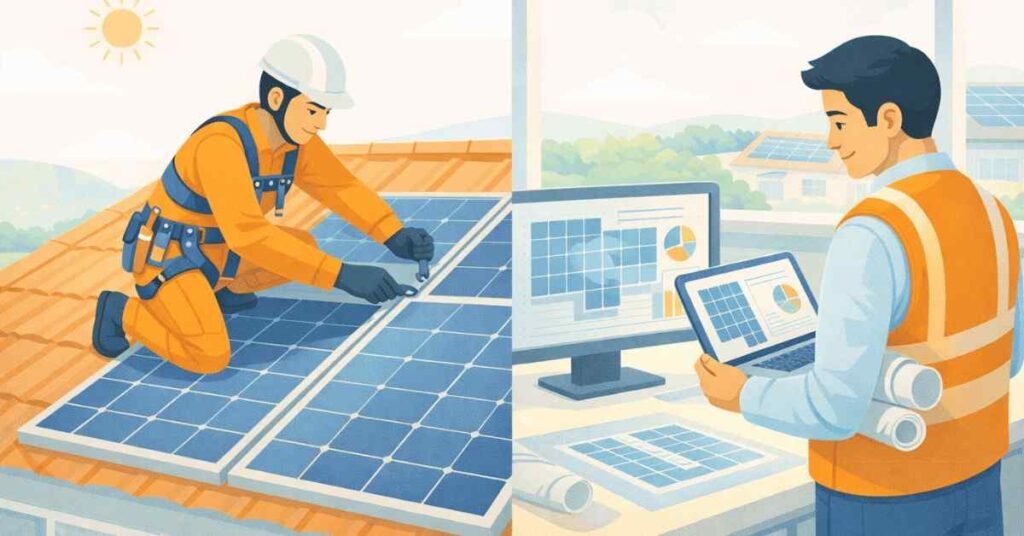
This is the biggest and fastest‑growing sector in India. Jobs exist in:
- Rooftop solar (homes, offices, shops)
- Large solar farms (ground‑mounted plants)
- Solar water heaters and pumps
- Solar microgrids (for villages and remote areas)
Typical roles:
- Solar technician
- Solar design engineer
- Project manager
- Sales and business development
- Operations and maintenance (O&M)
2. Wind Energy (Wind → Electricity)
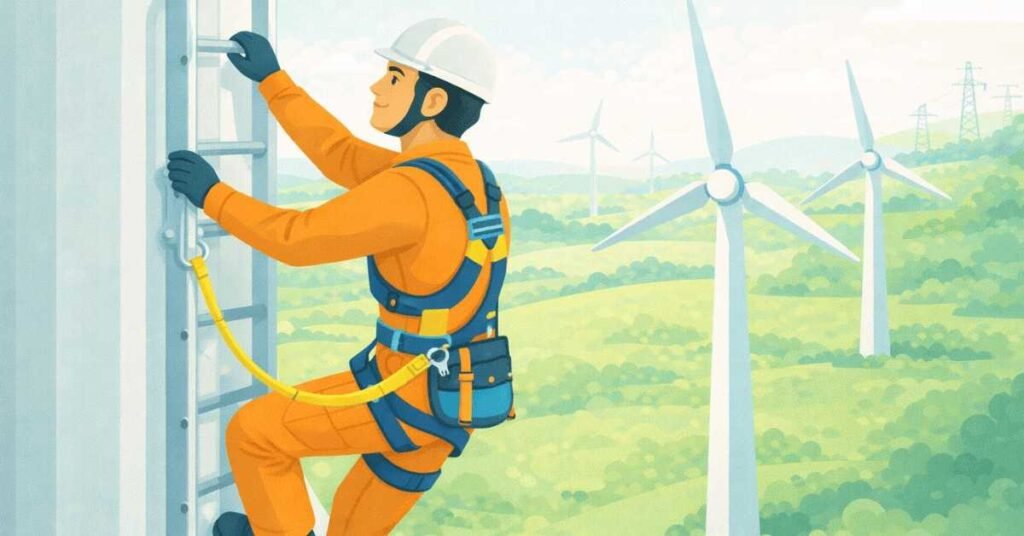
India is the 4th largest wind energy producer in the world. Wind farms are mostly in states like Tamil Nadu, Gujarat, Maharashtra, and Karnataka.
Typical roles:
- Wind turbine technician
- Wind site engineer
- Wind project manager
- Wind resource analyst
- O&M engineer
3. Energy Storage & Batteries (Storing Clean Power)
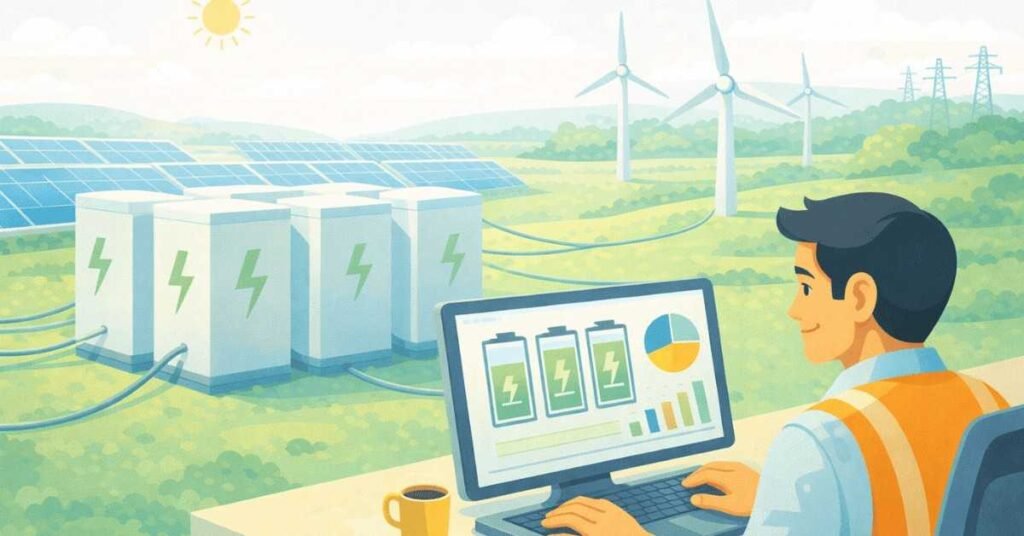
Solar and wind don’t work 24×7, so we need batteries and storage systems to store extra power for later.
Typical roles:
- Battery engineer
- Energy storage system designer
- Grid integration specialist
- EV battery technician
- Smart grid engineer
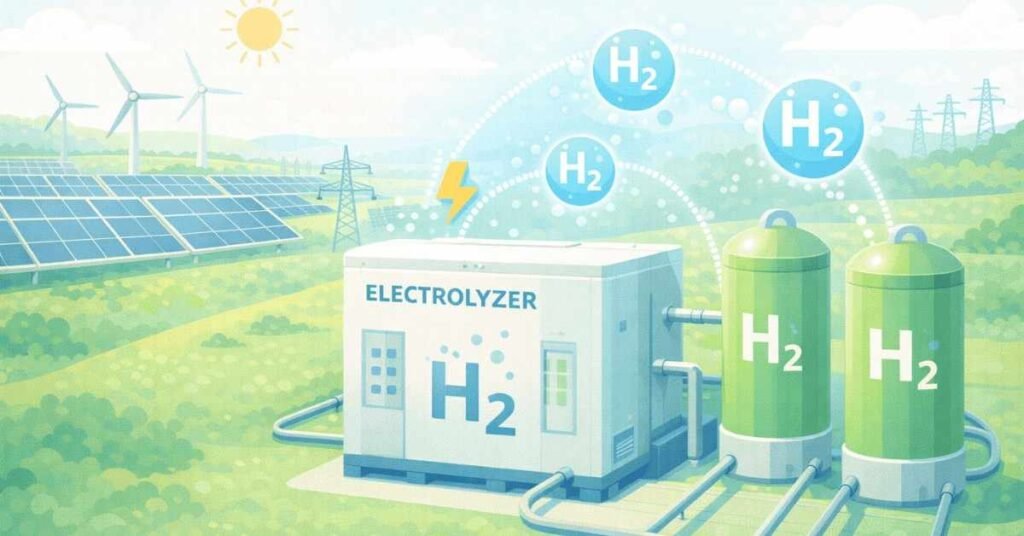
4. Green Hydrogen & Fuels (The Next Big Thing)
Green hydrogen is made by splitting water using renewable electricity. It can replace petrol, diesel, and coal in industries, transport, and even cooking.
Typical roles:
- Electrolyzer technician
- Hydrogen safety officer
- Fuel cell engineer
- Green hydrogen project manager
- R&D scientist
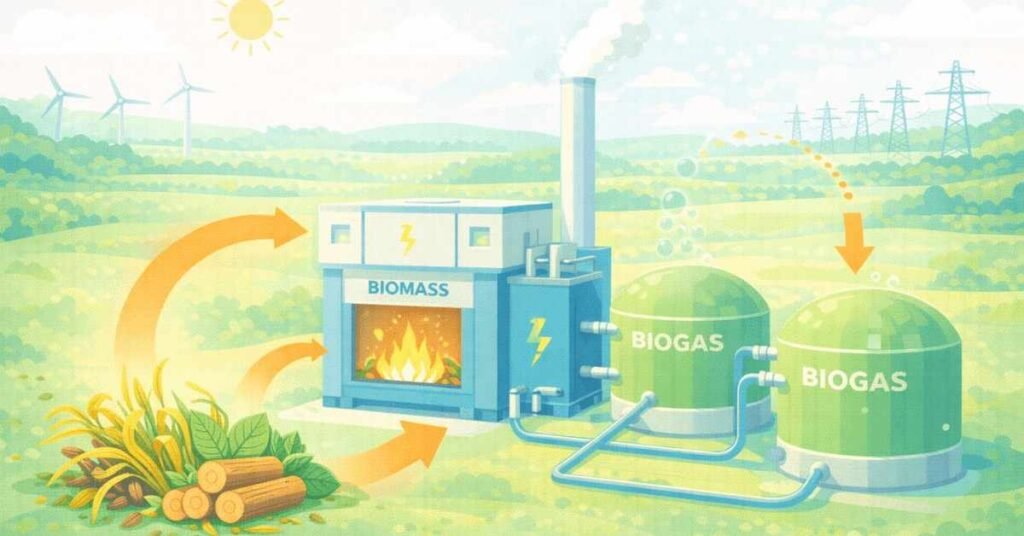
5. Bioenergy & Biomass (Waste → Energy)
This includes using agricultural waste, municipal waste, and biogas to produce heat, electricity, or fuel.
Typical roles:
- Bioprocess engineer
- Biomass plant operator
- Biogas technician
- Waste‑to‑energy specialist
- R&D in biofuels
6. Hydropower (Water → Electricity)
Hydropower is a mature technology, but there’s still work in small hydropower projects, modernization of old dams, and environmental impact studies.
Typical roles:
- Hydropower engineer
- Civil engineer (for dams and canals)
- Environmental consultant
- O&M technician
7. Sustainability & ESG Consulting
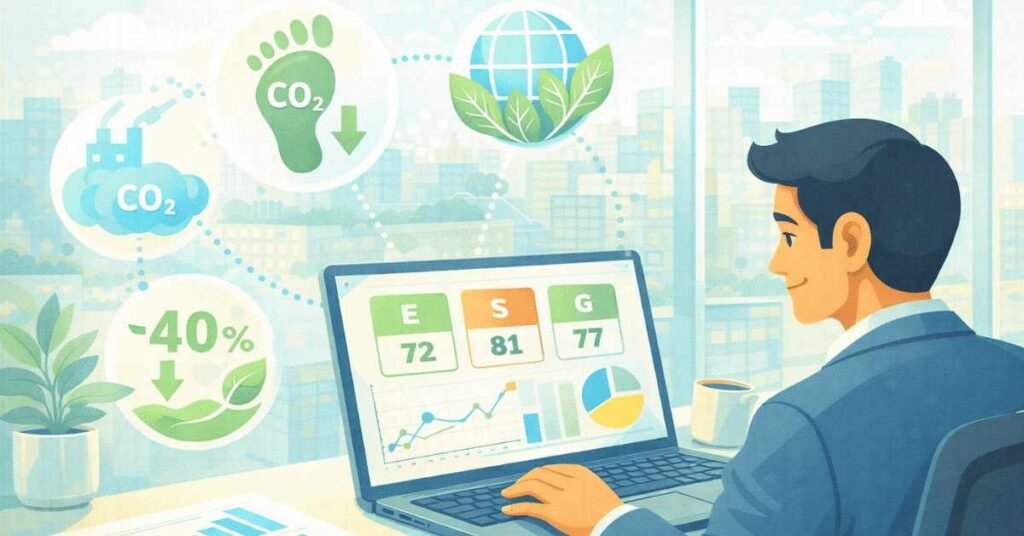
Many companies now need experts to help them reduce carbon emissions, manage energy, and report on sustainability (ESG = Environmental, Social, Governance).
Typical roles:
- Sustainability consultant
- Energy auditor
- Carbon analyst
- ESG reporting specialist
- Climate policy analyst
Who Can Build a Career in Renewable Energy?
The good news: you don’t need to be a genius or a top‑ranker to enter this field. There are roles for:
- School students (after 10th / 12th)
→ Technician, installer, operator, field supervisor - Diploma holders (ITI, Polytechnic)
→ Solar technician, wind technician, electrical fitter, battery technician - Graduates (B.Tech, B.Sc, BBA, B.Com)
→ Engineer, project manager, sales, business development, finance, HR - Postgraduates (M.Tech, MBA, M.Sc)
→ Senior engineer, consultant, manager, policy expert, researcher
Even if your degree is not directly related (like B.Com, BBA, or Arts), you can still enter through:
- Sales and marketing
- Business development
- Project finance
- Operations and supply chain
- Sustainability and ESG roles
Step-by-Step Career Paths (From School to Job)
Here’s how you can plan your journey, depending on your current stage.

Senior Professional and Leadership Self-Introduction Examples
Path 1: After 10th / 12th (School Level)
If you are in 10th or 12th and thinking about a career in clean tech, here’s what to do:
- Choose the right stream in 11th/12th
- For technical jobs: Take Science (Physics, Chemistry, Maths)
- For non‑technical jobs: Commerce or Arts are also fine
- Join a diploma or ITI course
- ITI: Electrician, Fitter, Wireman, Electronics
- Diploma: Electrical, Mechanical, Electronics, Renewable Energy
- Get a basic certification
- Solar PV installer course (1–3 months)
- Safety training (electrical safety, working at height)
- Start as a field technician
- Work with solar companies, wind farms, or battery installers
- Gain hands‑on experience and move up to supervisor or engineer roles
Path 2: After Diploma / ITI
If you already have a diploma or ITI, you can directly enter the industry:
- Get a job as a technician
- Solar panel installer
- Wind turbine technician
- Battery technician
- Electrical fitter in solar/wind projects
- Upgrade with short‑term courses
- Solar PV design (using tools like PVsyst)
- Battery and inverter training
- Safety certifications (GWO, electrical safety)
- Move to supervisory or engineering roles
- Field supervisor
- Junior engineer
- O&M lead
- Consider a degree later (if possible)
- B.Tech / B.E. (through lateral entry)
- B.Sc in Renewable Energy or related field
Path 3: After Graduation (B.Tech, B.Sc, BBA, etc.)
If you are a graduate, you have many options:
- Choose your specialization
- Engineering: Solar, Wind, Energy Storage, Green Hydrogen
- Non‑engineering: Sales, Business Development, Project Management, Finance, HR
- Get relevant certifications
- Solar PV design and engineering
- Energy auditing
- Project management (PMP, PRINCE2)
- Sustainability and ESG courses
- Do an internship or project
- Work with a solar company, wind farm, or consulting firm
- Do a college project on solar, wind, or energy efficiency
- Apply for entry‑level jobs
- Graduate engineer trainee (GET)
- Project engineer
- Sales executive
- Energy auditor
- Sustainability analyst
Path 4: After Postgraduation (M.Tech, MBA, M.Sc)
If you have an M.Tech, MBA, or M.Sc, you can aim for higher roles:
- Engineering roles
- Senior design engineer
- Project manager
- R&D engineer
- Grid integration specialist
- Management roles
- Project manager
- Operations manager
- Business development manager
- Sales head
- Consulting and policy roles
- Sustainability consultant
- ESG specialist
- Climate policy analyst
- Energy economist
- Research and teaching
- PhD in Renewable Energy
- Faculty in engineering colleges
- Research scientist in labs or institutes
Top Renewable Energy Jobs in India (2025)
Here are some of the most in‑demand jobs, with typical roles, skills, and salary ranges.
1. Solar Technician / Installer
- What they do: Install, maintain, and repair solar panels and systems on rooftops and farms.
- Skills needed: Basic electrical knowledge, safety training, hands‑on skills.
- Education: ITI / Diploma / 12th + certification.
- Starting salary: ₹2.5–4.5 LPA
- Growth: Can become supervisor, O&M lead, or engineer.
2. Solar Design Engineer
- What they do: Design solar systems using software (like PVsyst), calculate capacity, and prepare layouts.
- Skills needed: Electrical basics, software skills, attention to detail.
- Education: B.Tech / Diploma in Electrical/Electronics.
- Starting salary: ₹3.5–6 LPA
- Growth: Senior engineer, project manager, consultant.
3. Wind Turbine Technician
- What they do: Maintain and repair wind turbines, work at height, and ensure smooth operation.
- Skills needed: Mechanical/electrical basics, safety training (GWO), physical fitness.
- Education: ITI / Diploma in Mechanical/Electrical.
- Starting salary: ₹3–5 LPA
- Growth: O&M lead, site engineer, project manager.
4. Energy Storage / Battery Engineer
- What they do: Design and manage battery systems for solar, wind, and EVs.
- Skills needed: Electrical engineering, battery chemistry basics, software tools.
- Education: B.Tech / M.Tech in Electrical/Electronics.
- Starting salary: ₹4–7 LPA
- Growth: Senior engineer, project manager, R&D..
5. Green Hydrogen Engineer / Technician
- What they do: Work on electrolyzers, hydrogen storage, and safety systems.
- Skills needed: Chemical/Electrical basics, safety protocols, process knowledge.
- Education: B.Tech / Diploma in Chemical/Electrical/Mechanical.
- Starting salary: ₹4–8 LPA
- Growth: Project manager, safety officer, R&D scientist.
6. Sustainability / ESG Consultant
- What they do: Help companies reduce carbon emissions, manage energy, and report on ESG.
- Skills needed: Data analysis, communication, understanding of policies and standards.
- Education: Any graduate + certification in sustainability/ESG.
- Starting salary: ₹3–6 LPA
- Growth: Senior consultant, manager, director.
7. Project Manager (Renewables)
- What they do: Manage solar/wind projects from start to finish — planning, budget, team, timelines.
- Skills needed: Leadership, communication, planning, risk management.
- Education: B.Tech / MBA / any graduate with experience.
- Starting salary: ₹5–8 LPA
- Growth: Senior manager, head of projects, director.
Skills You Need to Succeed in Clean Tech
You don’t need to know everything at once. Focus on building these skills step by step.
1. Technical Skills (For Engineers & Technicians)
- Basic electrical and mechanical knowledge
- Understanding of solar PV, wind turbines, batteries, and inverters
- Software: PVsyst, AutoCAD, MATLAB, Excel (for calculations)
- Safety: Electrical safety, working at height, fire safety
2. Digital & Data Skills (For All Roles)
- Excel (for calculations, reports, and data analysis)
- PowerPoint (for presentations)
- Basic data analysis (understanding energy data, performance reports)
- Familiarity with tools like Google Sheets, Google Forms, and project management apps
3. Soft Skills (For Everyone)
- Communication (explaining technical things in simple language)
- Problem‑solving (fixing issues on site or in design)
- Teamwork (working with engineers, technicians, and managers)
- Adaptability (the field changes fast — new tech, new policies)
4. Domain Knowledge (For Long‑Term Growth)
- Government policies (MNRE, state policies, subsidies)
- Net metering and electricity regulations
- Carbon markets and ESG standards
- Emerging tech: Green hydrogen, AI in energy, smart grids
Education & Certifications (What to Study)
Here’s a simple roadmap of what to study, depending on your background.
1. Degree Courses (After 12th)

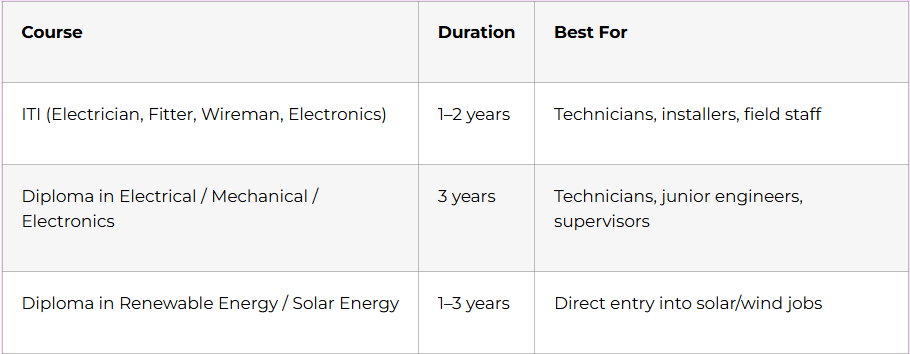
2. Diploma & ITI Courses (After 10th / 12th)
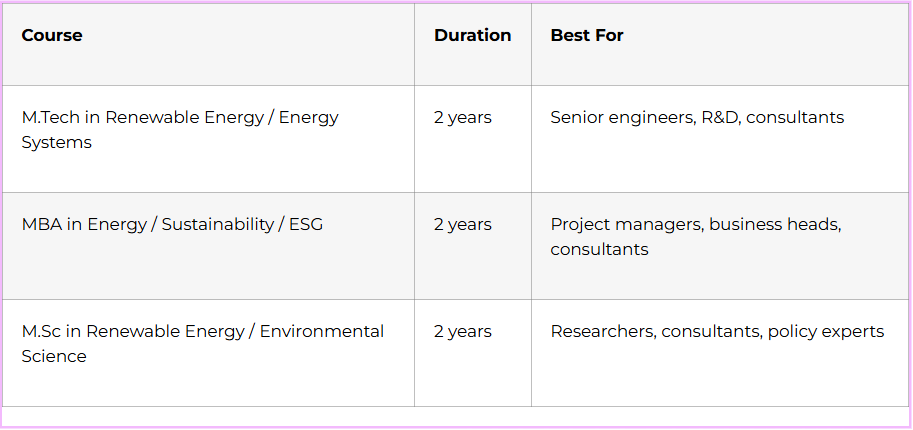
3. Postgraduate Courses (After Graduation)
4. Short‑Term Certifications (Highly Recommended)
These are quick, practical, and boost your resume:
- Solar PV Installer / Technician Certification
- Solar PV Design and Engineering (using PVsyst)
- Energy Auditor / Energy Manager Certification
- Green Hydrogen and Fuel Cell Basics
- Wind Turbine Safety (GWO)
- Sustainability and ESG Certifications
- Project Management (PMP, PRINCE2, or basic PM courses)
How to Get Your First Job in Renewable Energy
Getting that first job is the hardest part. Here’s a practical, step‑by‑step plan.
Step 1: Build Your Profile
- Education: Complete your degree/diploma or certification.
- Skills: Learn at least one practical skill (e.g., solar installation, PVsyst, energy auditing).
- Projects: Do a small project (college project, home solar idea, or online simulation).
- Resume: Highlight skills, projects, and any internship or volunteer work.
Step 2: Gain Practical Experience
- Internships: Apply for internships with solar companies, wind farms, or consulting firms.
- Volunteer: Join college clubs, NGOs, or community projects related to energy or environment.
- Online projects: Use free tools (like PVsyst demo, Excel) to design a small solar system and add it to your portfolio.
Step 3: Network and Apply
- LinkedIn: Create a clean profile, follow companies (Tata Power Solar, Adani Green, ReNew, etc.), and connect with professionals.
- Job portals: Use Naukri, Indeed, LinkedIn Jobs, and company career pages.
- Government schemes: Check MNRE’s internship and training programs for freshers.
Step 4: Prepare for Interviews
- Technical questions: Be ready to explain basics of solar, wind, batteries, and safety.
- Behavioral questions: Be ready with examples of teamwork, problem‑solving, and handling pressure.
- Projects: Be able to explain your projects clearly and confidently.
Salary Expectations in Renewable Energy (India, 2025)
Salaries vary by role, experience, location, and company. Here’s a realistic range for freshers and early‑career professionals.
Role | Fresher Salary (₹ LPA) | 2–5 Years Experience (₹ LPA) | 5+ Years (₹ LPA) |
Solar Technician / Installer | 2.5–4.5 | 4–7 | 6–10 |
Solar Design Engineer | 3.5–6 | 6–10 | 10–18 |
Wind Turbine Technician | 3–5 | 5–8 | 8–12 |
Wind / Solar Project Engineer | 4–7 | 7–12 | 12–20+ |
Energy Storage / Battery Engineer | 4–7 | 7–12 | 12–22+ |
Green Hydrogen Engineer | 4–8 | 8–15 | 15–25+ |
Sustainability / ESG Analyst | 3–6 | 6–10 | 10–18+ |
Project Manager (Renewables) | 5–8 | 8–15 | 15–25+ |
These are approximate ranges and can vary based on company size, location (metro vs non‑metro), your negotiation skills, and how strong your skills and portfolio are.

Day in the Life: What These Jobs Actually Look Like
1. Solar Technician – On the Field
- Start the day with a briefing on which sites to visit.
- Travel to homes, offices, or solar farms to install or repair panels and inverters.
- Check wiring, mounting structures, and safety systems.
- Use basic tools (multimeter, drill, hand tools) and follow safety protocols.
- End the day by updating reports or photos on WhatsApp/CRM tools.
This role is great if you like working outdoors, enjoy practical work, and don’t want a desk‑only job.
2. Solar Design Engineer – Behind the Screen (and Sometimes on Site)
- Use tools like PVsyst, SketchUp, or AutoCAD to design systems.
- Calculate system capacity, number of panels, inverter size, and expected generation.
- Coordinate with sales and project teams to ensure designs are practical and within budget.
- Occasionally visit sites to collect data or verify installations.
This is ideal if you like maths, design, and using software more than heavy physical work.
3. Wind Turbine Technician – At Great Heights
- Travel to wind farms located in coastal or hilly regions.
- Climb turbines (often over 80 meters high) with full safety gear.
- Inspect blades, gearboxes, generators, and control systems.
- Perform preventive maintenance and fix breakdowns.
Perfect for those who are physically fit, not afraid of heights, and enjoy travel and adventure.
4. Sustainability / ESG Consultant – Strategy & Reporting
- Work with companies to measure their carbon footprint and energy use.
- Suggest ways to save energy, switch to renewables, and improve waste management.
- Help prepare sustainability/ESG reports for investors and regulators.
- Coordinate with multiple departments (finance, operations, HR, etc.).
This suits people who like research, communication, and working with data and reports more than hardware or fieldwork.
Challenges in Renewable Energy Careers (And How to Overcome Them)
No career is perfect. It helps to know the challenges before you jump in.
1. Fast‑Changing Technology
New technologies like advanced batteries, green hydrogen, and AI‑driven grids keep evolving. This can feel overwhelming.
How to handle it:
- Commit to lifelong learning — do 1–2 short courses every year.
- Follow industry news, YouTube channels, LinkedIn groups, and government updates.
2. Field Work & Travel
Many roles involve working on sites, sometimes in remote locations, with long hours during project deadlines.
How to handle it:
- Choose roles that match your lifestyle (more office‑based vs field‑based).
- Build physical fitness and mental resilience.
- As you gain experience, you can move into design, planning, or management if you prefer less field work.
3. Competition for Top Roles
Engineering and consulting roles can be competitive, especially in major cities.
How to handle it:
- Build a strong portfolio (projects, internships, certifications).
- Network actively on LinkedIn and at industry events.
- Start with smaller companies or startups to gain experience, then move to large firms.
How to Make Your Profile Stand Out
1. Show Real Experience
- Do at least one real project:
- Design a rooftop solar system (even on paper) and calculate expected units per month.
- Help your college/hostel audit electricity use and suggest savings.
- Document your work in a simple PDF or portfolio.
2. Build Expertise
- Take one or two focused certifications (solar design, energy auditing, ESG).
- Be able to explain key concepts clearly in interviews — that proves you actually understand them.
3. Build Authoritativeness
- Share your learnings on LinkedIn or in college seminars.
- Write small posts about renewable topics (e.g., “5 Things I Learned Installing Solar Panels”).
- Join student chapters of energy societies or clean tech clubs.
4. Show Trustworthiness
- Be honest about your skills and experience — don’t fake it.
- Show consistency: internships, certifications, and projects all in the same direction signal seriousness.
- Ask seniors or mentors for feedback on your profile and improve it regularly.
Action Plan: 30–60–90 Day Roadmap for Students
If you want to start now, here’s a simple roadmap you can follow.
First 30 Days: Explore and Learn
- Learn the basics of solar, wind, and batteries using free YouTube videos or MOOCs.
- Read about India’s renewable energy targets and key companies.
- Talk to at least 2–3 people already working in the sector (alumni, LinkedIn contacts).
Next 30 Days (Days 31–60): Build Skills
- Pick one area: solar, wind, storage, or sustainability.
- Take 1 basic certification or online course in that area.
- Do a small project (design a solar system, simple energy audit, or ESG analysis).
Next 30 Days (Days 61–90): Get Market‑Ready
- Create a clean resume and LinkedIn profile showcasing your skills and projects.
- Apply for internships, entry‑level jobs, or apprenticeships.
- Practice answering technical and behavioral interview questions.
Frequently Asked Questions (FAQ) – Renewable Energy Career Guide
1. Do I need to be from a Science background to work in renewable energy?
Not always. Science/engineering helps for technical roles, but there are many non‑technical roles in sales, marketing, project management, finance, HR, and sustainability reporting where any degree is accepted.
2. Is renewable energy a stable career?
Yes. Governments and companies around the world are investing heavily in clean energy, and this trend is expected to continue for at least the next few decades, making it one of the most future‑proof sectors.
3. Can I switch to renewable energy if I am already working in another field?
Yes. Many professionals switch from IT, construction, oil & gas, or general engineering into renewables by:
- Adding sector‑specific certifications
- Doing related projects
- Starting with hybrid roles (e.g., project management, data analysis, ESG)
4. Are there opportunities abroad?
Absolutely. Skills in solar, wind, storage, and green hydrogen are in demand in Europe, the Middle East, Africa, and the Americas. Experience in India’s fast‑growing market is often seen as a plus.
Closing Thoughts: Your Clean Tech Career Starts Now
Renewable energy and clean tech are not just “good to have” sectors anymore—they are at the center of how the world will produce energy, run industries, and build economies over the next 20–30 years. If you are a student or young professional, this is a rare chance to build a career that is high‑growth, well‑paid, globally relevant, and meaningful for the planet at the same time.