
12 High-Demand Environmental Science Careers
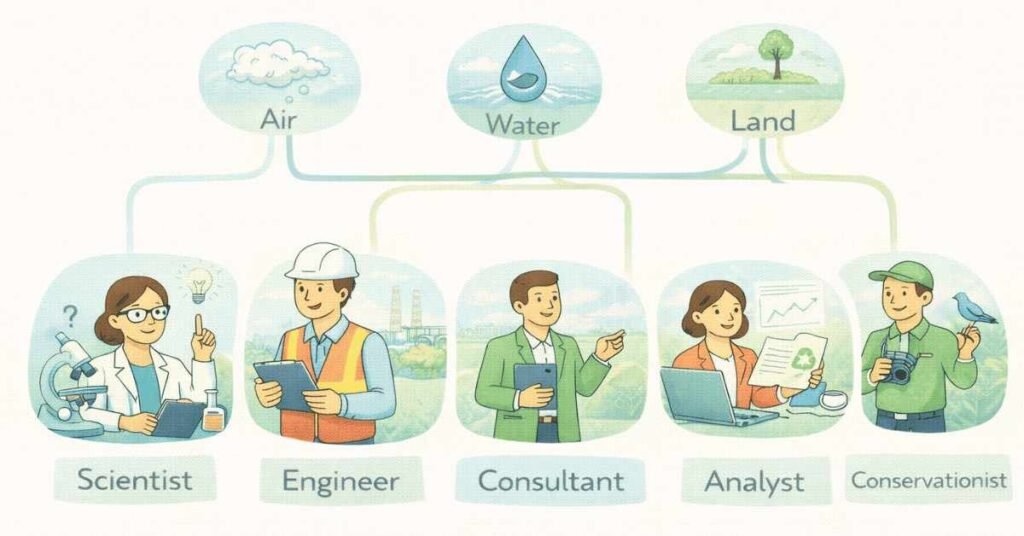
Table of Contents
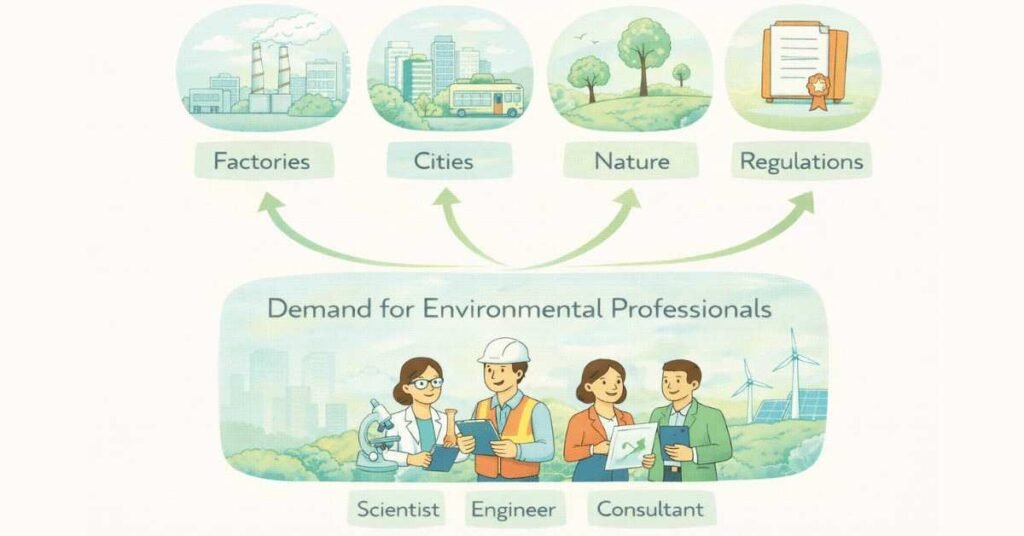
Environmental science careers are no longer “niche” or “only for researchers.” They now sit at the center of how governments, companies, and cities deal with pollution, climate change, and sustainability. Environmental professionals work in labs, on sites, in offices, and even with investors who want to fund responsible businesses.
This guide breaks down 12 major career roles in simple language, so students and freshers can understand what each job actually looks like in real life, what to study, and what kind of salary to expect.
1. Environmental Scientist
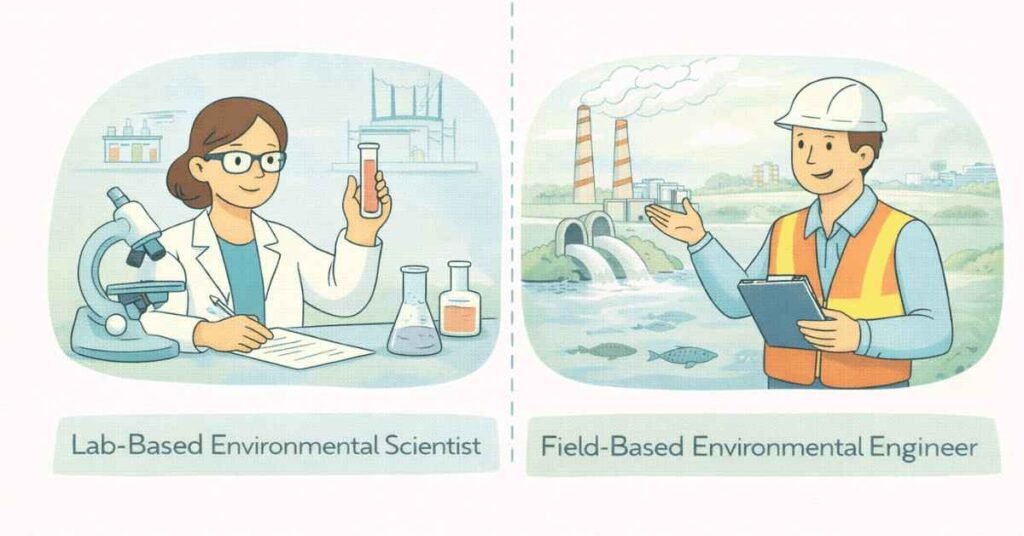
Environmental scientists study how human activities affect air, water, soil, and ecosystems, and then suggest ways to reduce or fix the damage. They collect samples in the field, run tests in laboratories, analyze data, and write reports that help governments and companies make better decisions.
What They Do Day-to-Day
- Collect air, water, or soil samples from factories, rivers, lakes, or city areas.
- Test samples in the lab to identify pollutants and their levels.
- Compare results with legal standards and prepare findings in clear, structured reports.
- Work with teams to suggest control measures like treatment systems or better waste handling.
Where They Work
- Government labs and research institutes.
- Environmental consulting companies.
- NGOs and international organizations working on environmental projects.
- Large industries with in-house environmental teams.
Education & Skills
- BSc Environmental Science, Life Sciences, Geology, or related field; MSc is preferred for higher roles.
- Skills: sampling techniques, lab analysis, basic statistics, report writing, and knowledge of environmental laws.
Salary Range (India, Approx.)
- Entry-level: ₹3–6 LPA.
- Mid-level (3–7 years): ₹6–12 LPA.
2. Environmental Engineer
Environmental engineers design systems that clean air, water, and soil—like wastewater treatment plants, air pollution control equipment, and solid waste management systems. They turn environmental science into practical engineering solutions.
What They Do Day-to-Day
- Design or improve sewage treatment plants and industrial effluent treatment systems.
- Plan air pollution control setups like scrubbers and filters for factories.
- Work with civil and mechanical engineers on infrastructure projects with environmental impacts.
- Ensure engineering designs meet environmental regulations and standards.
Where They Work
- Infrastructure and construction companies.
- Manufacturing and process industries.
- Engineering consulting and EPC (Engineering, Procurement, Construction) firms.
- Government departments working on water and waste projects.
Education & Skills
- BE/BTech in Environmental Engineering, Civil Engineering, or related fields.
- Skills: fluid mechanics basics, process design, CAD tools, understanding of pollution control technologies and environmental standards.
Salary Range (India, Approx.)
- Entry-level: ₹4–8 LPA.
- Mid-level: ₹8–15 LPA.
3. Environmental Consultant
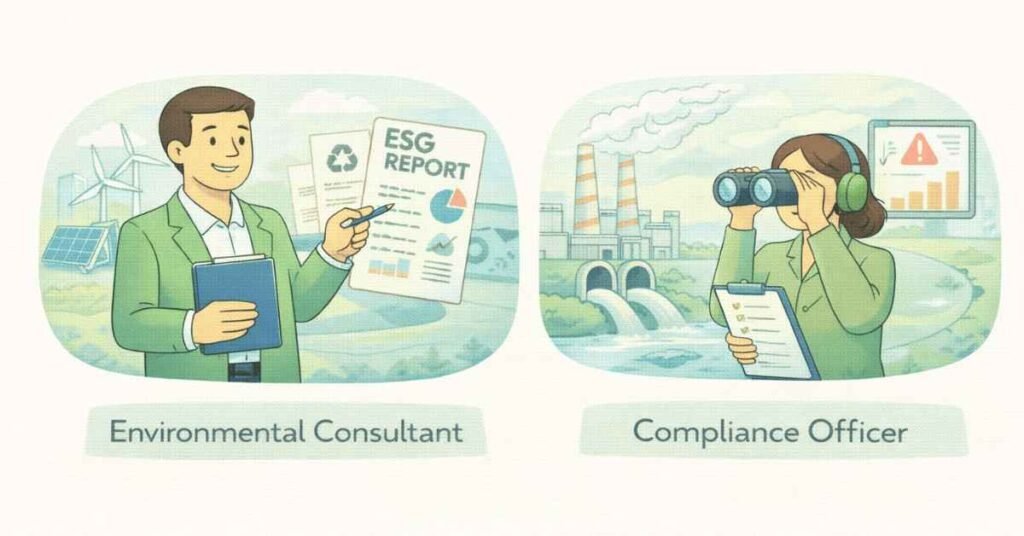
Environmental consultants advise companies, builders, and governments on how to follow environmental laws, reduce pollution, and make projects environmentally safe. They often work on multiple projects at once and act as the link between clients and regulators.
What They Do Day-to-Day
- Prepare Environmental Impact Assessment (EIA) reports for new highways, factories, townships, and infrastructure projects.
- Conduct site visits to understand current environmental conditions and risks.
- Guide clients on how to comply with environmental regulations and obtain clearances.
- Recommend measures to reduce pollution, save resources, and improve sustainability performance.
Where They Work
- Environmental consulting and EIA firms.
- Big 4 consulting firms’ climate and sustainability teams.
- Independent consultancy setup after experience.
Education & Skills
- BSc/MSc Environmental Science or BE/BTech Environmental/Civil/Chemical; PG in Environmental Management is a plus.
- Skills: strong report writing, presentation skills, basic modeling tools, regulatory knowledge, and client communication.
Salary Range (India, Approx.)
- Entry-level: ₹4–7 LPA.
- Mid-level: ₹8–18 LPA depending on firm and profile.
4. Environmental Monitoring & Compliance Officer
These professionals check if factories, construction sites, and other facilities are following environmental norms related to emissions, effluents, and waste. They act as the “compliance backbone” inside organizations.
What They Do Day-to-Day
- Monitor stack emissions, wastewater discharge, and ambient air quality using standard instruments.
- Maintain logs and records required by pollution control authorities.
- Support periodic audits and inspections by regulators.
- Coordinate corrective actions if any parameter exceeds permitted levels.
Where They Work
- Manufacturing plants and industrial clusters.
- Large construction and infrastructure companies.
- Environmental testing labs and third-party monitoring agencies.
Education & Skills
- Diploma/BSc in Environmental Science, Chemistry, or related field; BE/BTech is an advantage.
- Skills: familiarity with standard methods for testing, basic instrument operation, documentation discipline, and regulatory awareness.
Salary Range (India, Approx.)
- Entry-level: ₹3–6 LPA.
- Mid-level: ₹6–9 LPA.
5. EHS (Environment, Health & Safety) Officer
EHS officers ensure that a workplace is safe for workers and responsible towards the environment at the same time. Their role sits at the intersection of safety, health, and environmental compliance.
What They Do Day-to-Day
- Identify workplace hazards and environmental risks and suggest control measures.
- Conduct safety and environmental training sessions for staff.
- Monitor waste handling, chemical storage, emissions, and effluents.
- Handle incident reporting, root cause analysis, and corrective actions.
Where They Work
- Manufacturing plants (automotive, chemical, pharma, FMCG, etc.).
- Construction and infrastructure companies.
- Oil & gas, energy, and heavy industries.
Education & Skills
- BE/BTech or BSc plus specialized EHS/Industrial Safety certifications.
- Skills: knowledge of safety standards, hazard identification, ISO 14001 and ISO 45001 basics, and strong observation skills
Salary Range (India, Approx.)
- Entry-level: ₹4–7 LPA.
- Mid-level: ₹8–15 LPA.
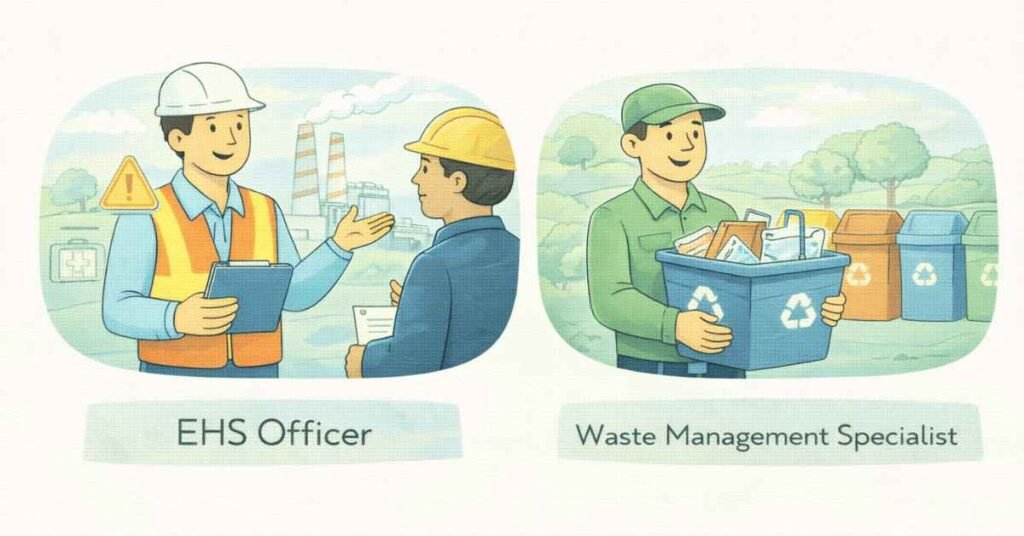
6. Waste Management Specialist
Waste management specialists focus on how to collect, segregate, treat, recycle, and safely dispose of different types of waste such as municipal solid waste, hazardous waste, biomedical waste, and e‑waste.
What They Do Day-to-Day
- Design or improve waste collection and segregation systems.
- Plan recycling and resource recovery solutions for cities or industries.
- Work on compliance with rules for hazardous and biomedical waste.
- Run awareness and training programs on proper waste handling.
Where They Work
- Municipal corporations and urban local bodies.
- Waste management and recycling companies.
- Hospitals, manufacturing units, and large campuses.
Education & Skills
- BSc Environmental Science, BE/BTech in Environmental/Civil, or diploma in waste management.
- Skills: understanding of waste rules, process design basics, project coordination, and community engagement ability.
Salary Range (India, Approx.)
- Entry-level: ₹3–6 LPA.
- Mid-level: ₹6–10 LPA.
7. Sustainability Analyst
- Sustainability analysts help companies measure and improve their environmental and social performance, and support sustainability or ESG reporting. They work with data, reports, and business teams.
What They Do Day-to-Day
- Collect data on energy use, water consumption, waste generation, and emissions.
- Support preparation of sustainability or ESG reports using frameworks like GRI or BRSR.
- Evaluate improvement options such as renewable energy, efficiency upgrades, or waste reduction.
- Provide insights to management on sustainability goals and performance trends.
Where They Work
- orporate sustainability departments.
- ESG and sustainability consulting firms.
- Investment firms interested in ESG data.
Education & Skills
- BSc/BE plus MSc/MBA in Environmental Management, Sustainability, or related field is preferred.
- Skills: strong Excel and data handling, understanding sustainability frameworks, business thinking, and clear communication.
Salary Range (India, Approx.)
- Entry-level: ₹6–10 LPA.
- Mid-level: ₹10–20 LPA.
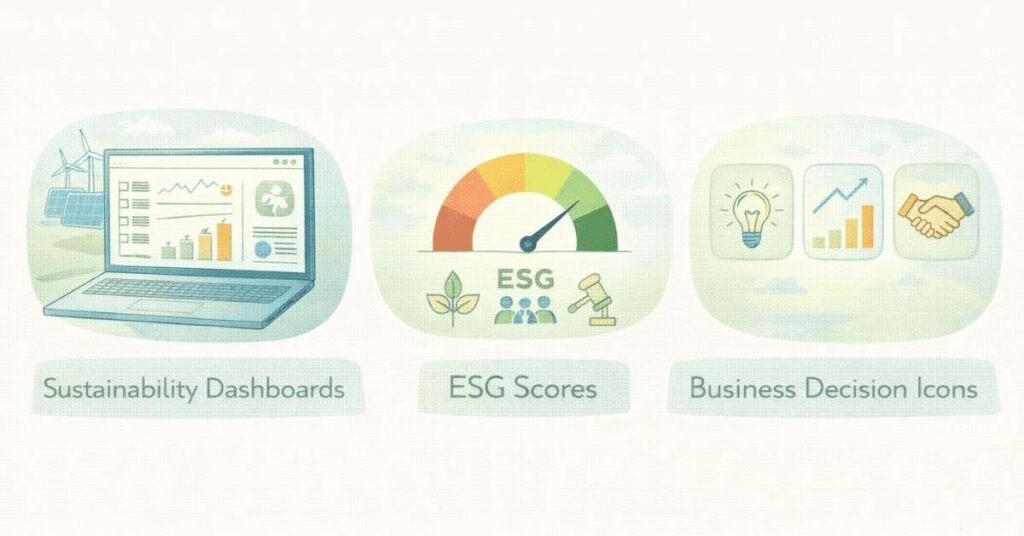
8. ESG (Environmental, Social, Governance) Analyst
- ESG analysts primarily support investors, banks, or rating agencies by evaluating how responsibly companies operate on environmental, social, and governance fronts. They sit closer to finance but use a lot of environmental information.
What They Do Day-to-Day
- Analyze company data on emissions, resource use, waste, human rights, and governance practices.
- Score or rate companies based on ESG performance.
- Contribute to ESG reports and insights used by investors.
- Track global and local ESG regulations and trends.
Where They Work
- Investment firms, asset managers, and ESG rating agencies.
- Big 4 and other consulting firms.
- Banks and financial institutions with sustainable finance teams.
Education & Skills
- Bachelor’s in Science, Engineering, Business, Economics, or Finance; ESG or sustainability certifications add value.
- Skills: data analysis, financial literacy, understanding of ESG frameworks, strong report writing, and business communication.
Salary Range (India, Approx.)
- Entry-level: ₹6–12 LPA.
- Mid-level: ₹12–25 LPA.
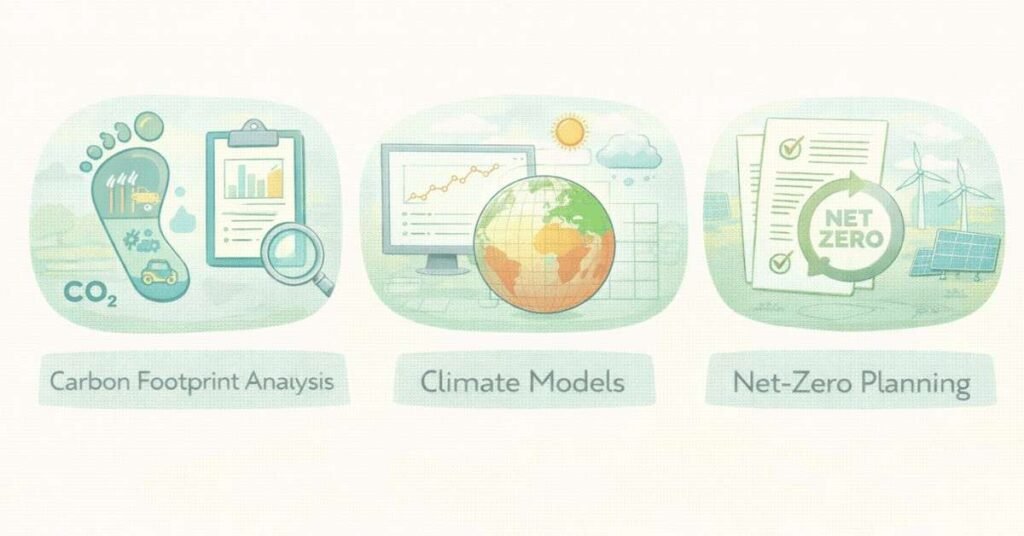
9. Climate Change Analyst / Climate Specialist
- Climate specialists focus on climate risks, carbon footprints, and strategies to reduce emissions or adapt to climate impacts. They are in high demand as companies and countries commit to net-zero targets.
What They Do Day-to-Day
- Calculate greenhouse gas emissions (Scope 1, 2, and sometimes 3) for organizations.
- Support net-zero and decarbonization strategies and plans.
- Analyze climate risk scenarios (like extreme weather impacts on business).
- Assist with climate-related disclosures such as TCFD or CDP.
Where They Work
- Consulting firms offering climate and sustainability services.
- Corporate climate or sustainability teams.
- International organizations and NGOs engaged in climate action.
Education & Skills
- BSc/BE in Environmental Science, Engineering, or related field plus specialized courses in climate science or energy.
- Skills: carbon accounting, data analysis, basic modeling, and understanding of climate policies and global agreements.
Salary Range (India, Approx.)
- Entry-level: ₹6–10 LPA.
- Mid-level: ₹12–25 LPA.
10. Wildlife & Conservation Biologist
- These professionals focus on protecting wildlife species, forests, and natural habitats, often working on the ground in forests, grasslands, or coastal areas.
What They Do Day-to-Day
- Study animal or plant species, track populations, and assess threats.
- Design and implement conservation projects and action plans.
- Work with local communities to reduce human–wildlife conflict.
- Collect field data, prepare scientific or project reports, and sometimes publish research.
Where They Work
- Forest departments and wildlife divisions.
- Wildlife and conservation NGOs.
- Research institutes and universities.
Education & Skills
- BSc followed by MSc in Wildlife Science, Conservation Biology, Forestry, or Environmental Science.
- Skills: field survey methods, species identification, GIS basics, community interaction, and patience for intensive fieldwork.
Salary Range (India, Approx.)
- Entry-level NGO/research: ₹3–6 LPA.
- Government forest roles: typically higher with benefits and job security.

11. Environmental Educator / Trainer
- Environmental educators make people aware of environmental issues and guide them to adopt sustainable habits, working with schools, colleges, companies, and communities.
What They Do Day-to-Day
- Conduct workshops on topics like waste segregation, water conservation, and climate change.
- Develop training materials, presentations, and educational content.
- Support CSR and outreach programs.
- Engage school/college students or employees through interactive activities.
Where They Work
- Schools, colleges, and training institutes.
- NGOs and environmental organizations.
- Corporate CSR or sustainability initiatives.
Education & Skills
- Bachelor’s degree in environmental science or related field; BEd or training experience is an advantage.
- Skills: communication, storytelling, presentation, content creation, and empathy.
Salary Range (India, Approx.)
- Entry-level: ₹3–6 LPA.
- Mid-level: ₹6–9 LPA depending on employer.
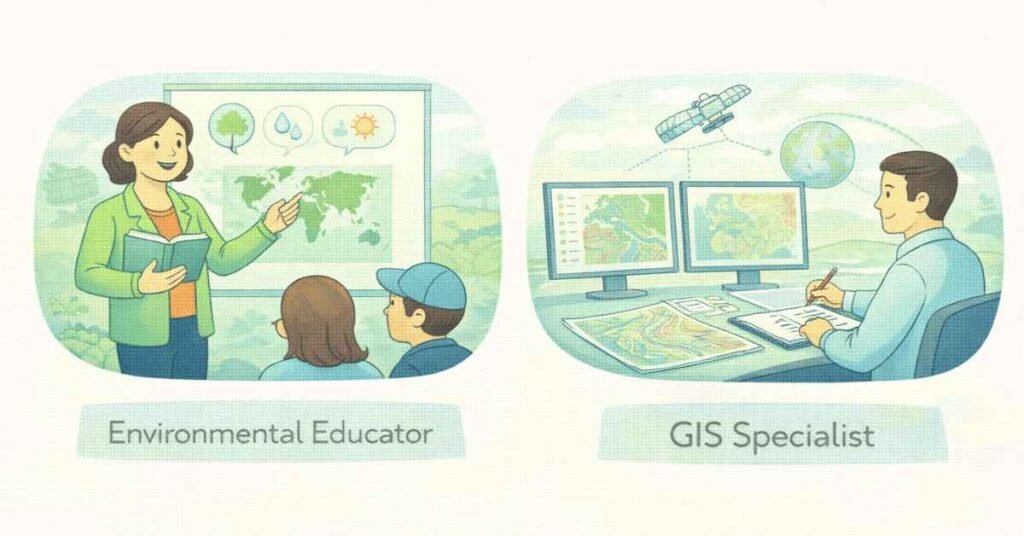
12. GIS & Remote Sensing Specialist (Environment)
- GIS (Geographic Information Systems) and remote sensing specialists use maps, satellite images, and spatial data to analyze environmental changes such as deforestation, land use change, or water body shrinkage.
What They Do Day-to-Day
- Work with tools like ArcGIS or QGIS to create and analyze maps.
- Use satellite data to study land use, forest cover, urban expansion, or coastline changes.
- Support environmental impact studies and conservation planning.
- Present findings using visual maps and dashboards.
Where They Work
- Environmental consulting firms.
- Government planning and forest departments.
- Conservation NGOs and research institutes.
Education & Skills
- BSc/BE plus a diploma or master’s specialization in GIS/Remote Sensing.
- Skills: GIS software, spatial analysis, basic programming sometimes (Python/R), and attention to detail.
Salary Range (India, Approx.)
- Entry-level: ₹4–8 LPA.
- Mid-level: ₹8–12 LPA.
How to Choose the Right Role for You
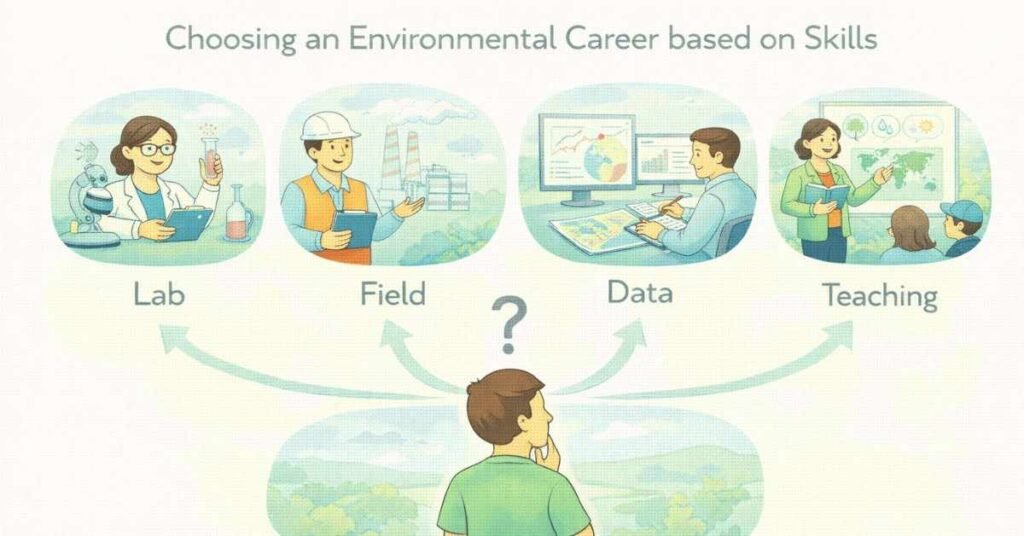
Choosing a role becomes easier when you match your personality and interests to the nature of the work:
- If you like science and lab work → Environmental Scientist, Lab Analyst.
- If you enjoy design and technical problem-solving → Environmental Engineer, Waste Management Specialist.
- If you prefer client-facing and project-based work → Environmental Consultant, Sustainability Analyst, ESG Analyst.
- If you love fieldwork and nature → Wildlife Biologist, Conservation roles, some monitoring jobs.
- If you like data, finance, and strategy → ESG Analyst, Climate Change Analyst, Sustainability roles.
- If you enjoy teaching and awareness → Environmental Educator / Trainer.
As you move through your education, you can refine your choice based on what you actually enjoy doing in projects, internships, and coursework.
- If you like science and lab work → Environmental Scientist, Lab Analyst.