
HR Interview Questions & Answers: Ultimate Preparation Guide
Table of Contents

Introduction
The HR interview is often the final gatekeeper between you and your dream job. While technical interviews assess your hard skills, the HR round evaluates your cultural fit, communication abilities, emotional intelligence, and overall suitability for the organization. Understanding that over 82% of recruiters believe well-prepared candidates make significantly better impressions, this comprehensive guide equips you with expert strategies, proven frameworks, and winning answers to the most common HR interview questions in 2025.
Understanding the HR Interview Purpose
What HR Professionals Are Really Evaluating
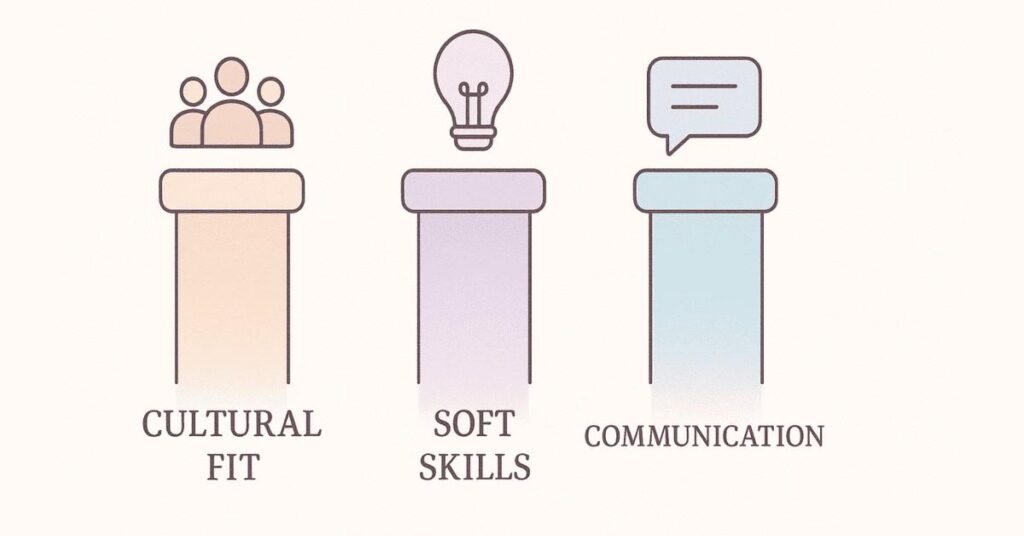
HR interviews serve multiple strategic functions beyond simply asking questions. First, HR professionals assess your cultural alignment with company values and work environment to ensure long-term retention. Second, they evaluate your soft skills including communication, problem-solving, adaptability, and interpersonal effectiveness that technical interviews may not capture. Third, they verify the accuracy of information on your resume and assess your genuine interest in the role and organization.
Research shows that 81% of candidates feel more confident and perform better when they practice answering common interview questions, making preparation the single most important factor in HR interview success. The HR round typically determines whether you receive an offer, making it crucial to demonstrate not just competence but also enthusiasm, professionalism, and alignment with organizational goals.
The Psychology Behind HR Questions
Essential Components Every Introduction Must Include
Every HR question serves a specific diagnostic purpose. Questions about strengths reveal what you value in your professional identity, while weakness questions test your self-awareness and growth mindset. Behavioral questions about past experiences predict future performance based on demonstrated patterns of behavior. Motivational questions assess whether your career goals align with what the position and company can realistically offer.
Understanding the underlying purpose behind each question allows you to craft answers that address what interviewers truly want to know rather than just responding to surface-level inquiries.

The STAR Method: Your Universal Answer Framework
Understanding STAR Components
The STAR method provides a structured approach to answering behavioral interview questions by organizing your response around four key elements.
Situation: Describe the specific context or background of the experience you’re sharing. Provide enough detail for the interviewer to understand the circumstances, but keep it concise—approximately 15-20% of your answer. This should be a specific event or situation, not a generalized description of what you typically do.
Task: Explain your specific role, responsibility, or the challenge you needed to address. What goal were you working toward? What was expected of you? This clarifies your personal involvement and sets up the actions you took.
Action: This is the most critical component and should constitute approximately 60% of your answer. Describe the specific steps you took to address the situation, emphasizing your personal contributions. Use “I” rather than “we” to clearly demonstrate your individual role. Explain your thought process, the skills you applied, and any creative or strategic approaches you employed.
Result: Describe the outcome of your actions with quantifiable metrics whenever possible. What was achieved? How did the situation improve? What did you learn? If you cannot provide numerical results, mention qualitative outcomes like recognition, promotions, positive feedback, or lessons learned.
STAR Method Example
Question: “Tell me about a time you had to meet a tight deadline.”
Situation (20%): “In my previous role as a marketing coordinator, our team was informed just two weeks before a major trade show that we needed to create a complete promotional campaign, including a new brochure, digital ads, and booth materials.”
Task (15%): “As the project lead, I was responsible for coordinating design, copywriting, printing, and digital deployment across multiple stakeholders while ensuring brand consistency and message clarity.”
Action (60%): “I immediately created a detailed project timeline with daily milestones and assigned specific responsibilities to each team member based on their strengths. I scheduled daily 15-minute check-ins to track progress and address blockers immediately. When our external printer informed us of a three-day delay that would miss our deadline, I researched alternative vendors, negotiated expedited service with a backup printer, and personally oversaw the proofing process to ensure quality standards. I also worked evenings to finalize the digital assets and coordinate with our web team for simultaneous launch.”
Result (15%): “We delivered all materials 24 hours before the trade show, staying within budget. The campaign generated 300+ qualified leads at the event—40% more than the previous year—and our CEO specifically recognized the team’s execution during our quarterly meeting. This experience taught me the importance of contingency planning and proactive communication under pressure.

Top 20 Essential HR Interview Questions
General Background Questions
1. Tell Me About Yourself
What They’re Really Asking: This opening question assesses your communication skills, professional identity, and ability to provide relevant, concise information.
How to Answer: Structure your response around your professional present, career past, and future aspirations, keeping your answer to 60-90 seconds. Focus on experiences and skills relevant to the position you’re applying for.
Example Answer:
“I’m a digital marketing specialist with five years of experience in B2B SaaS companies. I currently lead content marketing at TechStart, where I’ve developed strategies that increased organic traffic by 150% and generated over $2 million in attributed revenue. My background includes content creation, SEO optimization, and marketing automation. I’m particularly skilled at translating complex technical concepts into compelling narratives that resonate with business audiences. I’m excited about this opportunity because your company’s focus on data-driven marketing and product-led growth aligns perfectly with my expertise and where I want to continue developing professionally.
2. Why Are You Leaving Your Current Job?
What They’re Really Asking: This question evaluates your professionalism, motivation, and whether you’re running away from problems or moving toward opportunities.
How to Answer: Frame your response positively, focusing on growth opportunities rather than criticizing your current employer. Be honest but diplomatic.
Example Answer:
“I’ve had a valuable experience at my current company and have grown significantly over the past three years. However, I’ve reached a point where I’m ready for new challenges and greater responsibilities. This role offers the opportunity to lead larger projects, work with emerging technologies, and contribute to strategic decision-making—areas where I’m eager to expand my impact. Additionally, your company’s commitment to innovation and professional development aligns with my career goals.
What to Avoid: Never badmouth your current employer, colleagues, or work environment. Avoid mentioning salary as your primary motivation, even if it’s a factor.
3. Why Do You Want to Work Here?
What They’re Really Asking: This question tests whether you’ve researched the company and have genuine interest versus applying anywhere.
How to Answer: Demonstrate specific knowledge about the company’s values, products, culture, or recent achievements. Connect these factors to your own professional goals and values.
Example Answer:
“I’ve been following your company’s growth for the past year, and I’m impressed by your commitment to sustainable manufacturing practices. Your recent initiative to achieve carbon neutrality by 2030 demonstrates leadership in an industry that desperately needs it. As someone who’s passionate about environmental responsibility and has experience implementing green supply chain practices, I’m excited about the opportunity to contribute to these initiatives while working with a team that shares these values. Additionally, your investment in employee development and your collaborative culture align with the kind of environment where I do my best work.
4. What Are Your Greatest Strengths?
What They’re Really Asking: Can you self-assess accurately? Do your strengths align with role requirements?
How to Answer: Choose 2-3 strengths directly relevant to the position, provide specific examples that demonstrate these strengths, and connect them to how you’ll add value in this role.
Example Answer:
“My greatest strength is analytical problem-solving. In my current role, I identified that our customer churn rate was highest in months 3-4 of the customer lifecycle. I conducted a detailed analysis of user behavior, surveyed departing customers, and discovered a gap in our onboarding process. I redesigned the onboarding workflow and implemented automated check-ins, which reduced early-stage churn by 32%. Another key strength is collaboration—I excel at bringing cross-functional teams together. For example, I facilitated alignment between our sales and product teams by creating a shared feedback loop that improved feature prioritization and increased sales team satisfaction scores by 45%.
5. What Are Your Weaknesses?
What They’re Really Asking: Are you self-aware? Can you acknowledge limitations and demonstrate growth?
How to Answer: Choose a genuine weakness that won’t disqualify you from the role, explain what you’re doing to improve, and demonstrate self-awareness and commitment to growth.
Example Answer:
“One area I’ve been actively working on is delegation. Earlier in my career, I tended to take on too much myself because I wanted to ensure quality results. However, I’ve learned that this approach limits team growth and my own capacity. Over the past year, I’ve been intentionally delegating more responsibilities to team members, providing clear guidance and support while giving them ownership. This has not only freed up my time for strategic work but has also accelerated team development. For instance, one junior team member I mentored recently led a project independently that exceeded our KPIs by 20%. I’ve learned that empowering others creates better outcomes than trying to do everything myself.
What to Avoid: Don’t use cliché responses like “I’m a perfectionist” or “I work too hard.” Don’t mention weaknesses critical to the role. Don’t present a weakness without explaining how you’re addressing it.
6. Where Do You See Yourself in 5 Years?
What They’re Really Asking: Are your career goals realistic? Will you stay with the company long-term? Do your ambitions align with growth opportunities available?
How to Answer: Show ambition while demonstrating commitment to growing within the organization. Focus on skill development and increasing responsibility rather than specific titles.
Example Answer:
“In five years, I see myself as a subject matter expert in product management with progressively increasing scope and responsibility. I’m particularly interested in developing my skills in product strategy, user research, and cross-functional leadership. I’d love to be leading larger, more complex products and potentially mentoring junior product managers. I’m drawn to this role because it offers clear pathways for growth—I’ve noticed that several of your senior product leaders started in similar positions and advanced through the organization. I’m looking for a company where I can build deep expertise and long-term value, and your organization’s commitment to internal promotion and professional development makes this an ideal fit.
7. Why Should We Hire You?
What They’re Really Asking: What unique value do you bring? How do you differentiate yourself from other candidates?
How to Answer: Synthesize your key qualifications, highlight your unique combination of skills and experience, and connect directly to the role’s requirements and company needs.
Example Answer:
“You should hire me because I bring a unique combination of technical expertise and business acumen that’s essential for this role. With six years of software engineering experience and an MBA, I understand both the technical architecture and the business impact of product decisions. In my current role, I’ve demonstrated this by leading a platform migration project that improved system performance by 40% while reducing infrastructure costs by $300,000 annually. I also have a proven track record of collaborating effectively across technical and non-technical teams, which is crucial given this role’s cross-functional nature. Most importantly, I’m genuinely passionate about your mission of making financial services more accessible, and I’m excited to contribute my skills to that vision.
Behavioral Questions
8. Tell Me About a Time You Handled a Difficult Team Member
What They’re Really Asking: Can you navigate interpersonal challenges professionally? Do you have conflict resolution skills?
STAR Answer:
Situation: “In my previous role as project manager, I worked with a talented developer who consistently missed deadlines and was often unresponsive in team meetings.”
Task: “As the project lead, I needed to address this issue because it was affecting team morale and project timelines. I was responsible for ensuring both the individual’s success and the team’s overall performance.”
Action: “Rather than escalating immediately, I scheduled a private one-on-one conversation to understand the root cause. I approached it with genuine curiosity rather than criticism. During our discussion, I discovered they were struggling with unclear requirements and felt overwhelmed by the technical complexity of certain tasks. I worked with them to break down large tasks into smaller, manageable pieces and established a daily 10-minute check-in to provide support and remove blockers. I also clarified requirements more thoroughly upfront and created better documentation.”
Result: “Within three weeks, their on-time delivery rate improved from 40% to 95%, and their engagement in meetings increased significantly. They later told me that feeling supported rather than criticized made all the difference. This experience taught me the importance of addressing issues early with empathy and curiosity rather than assumption.

9. Describe a Time You Failed
What They’re Really Asking: Can you take ownership of mistakes? Do you learn from failures?
STAR Answer:
Situation: “In my first year as a marketing manager, I launched a social media campaign for a new product without conducting sufficient audience research.”
Task: “I was responsible for generating awareness and driving pre-orders for the product launch. I had a tight timeline and a limited budget of $15,000.”
Action: “I relied heavily on assumptions about our target audience based on past campaigns rather than conducting fresh research. I allocated the majority of our budget to platforms where we’d had previous success, without validating that our new audience was active there.”
Result: “The campaign generated only 30% of our target engagement and just 45 pre-orders against a goal of 200. It was a significant disappointment and a learning experience. I took full ownership with my leadership team and conducted a thorough post-mortem. I learned that each product requires its own audience analysis, regardless of past success. I immediately implemented a more rigorous research phase for future campaigns, including audience surveys and A/B testing. The next quarter, I applied these lessons to another product launch that exceeded targets by 180%. This failure taught me that data always trumps assumptions, and thorough preparation is worth the time investment.
10. Tell Me About a Time You Worked Under Pressure
What They’re Really Asking: How do you perform in high-stress situations? Can you maintain quality under tight deadlines?
STAR Answer:
Situation: “During Q4 at my previous company, our largest client—representing 30% of annual revenue—requested a major platform customization just three weeks before their contractual renewal deadline. Our standard timeline for this type of work was 8-10 weeks.”
Task: “As the technical account manager, I was responsible for determining whether we could deliver this on an accelerated timeline without compromising quality, and if so, coordinating the execution.”
Action: “I immediately assembled our engineering, QA, and project management teams to assess feasibility. We identified the core requirements versus nice-to-haves and negotiated with the client to deliver essential features immediately with enhancements in a follow-up release. I created an aggressive but realistic project plan with daily milestones and established clear communication protocols. I personally managed stakeholder communications, shielding the technical team from unnecessary interruptions while keeping the client updated every 48 hours. I also authorized overtime and brought in an additional contractor to support QA.”
Result: “We delivered the core customization in 21 days with zero critical bugs. The client renewed their contract and actually expanded it by 15%. Our CEO recognized the team’s effort company-wide. This experience reinforced my belief that the keys to success under pressure are clear prioritization, transparent communication, and protecting your team’s focus on execution.
Questions About Work Style and Culture Fit
11. How Do You Handle Criticism?
What They’re Really Asking: Are you coachable? Can you receive feedback professionally?
Example Answer:
“I view constructive criticism as a valuable opportunity for growth. In my current role, my manager once pointed out that my presentations were too detail-heavy for executive audiences. Rather than becoming defensive, I asked for specific examples and requested recommendations. I then worked on distilling complex information into executive summaries and leading with key takeaways. I also studied presentations from colleagues who excelled at this. Within a few months, my manager noted significant improvement, and I’ve since been asked to present directly to our C-suite multiple times. I’ve learned that the people who care enough to give you honest feedback are often your greatest advocates for growth.
12. How Do You Prioritize Multiple Tasks?
What They’re Really Asking: Do you have organizational skills and time management capabilities?youtube
Example Answer:
“I use a combination of frameworks and tools to prioritize effectively. First, I assess each task using the Eisenhower Matrix—urgent versus important—to ensure I’m focusing on high-impact work rather than just reacting to urgency. I use project management software to track all commitments and deadlines, and I block dedicated time on my calendar for deep work on strategic projects. Each morning, I identify my top three priorities for the day. I also maintain transparent communication with stakeholders—if priorities shift or conflicts arise, I proactively discuss trade-offs rather than letting things slip. For example, when I recently had three major projects with overlapping deadlines, I created a visual timeline, identified dependencies, and negotiated a one-week extension on the lowest-priority project to ensure quality on all deliverables.
13. Describe Your Ideal Work Environment
What They’re Really Asking: Will you thrive in our company culture.
Example Answer:
“I thrive in collaborative environments where there’s a strong culture of learning and continuous improvement. I value open communication where ideas can be challenged constructively and where people feel comfortable sharing both successes and failures as learning opportunities. I also appreciate clarity around goals and expectations combined with autonomy in how to achieve them—I like having the freedom to approach problems creatively while maintaining accountability for results. Work-life balance is important to me as well; I’m highly productive and committed during work hours, but I also believe that personal time enhances long-term performance and creativity. From what I’ve learned about your company culture through my research and conversations, these values seem to align well with your organization.
Situational and Scenario-Based Questions
Situational questions present hypothetical scenarios to assess how you would handle future challenges. These differ from behavioral questions which ask about past experiences.

14. What Would You Do If You Disagreed With Your Manager's Decision?
What They’re Really Asking: Can you handle authority respectfully? Do you have diplomatic communication skills?
Example Answer:
“I would first ensure I fully understand my manager’s reasoning by asking clarifying questions. Often, managers have context or information I might not be aware of. If I still had concerns after understanding their perspective, I would request a private conversation where I could respectfully present my viewpoint with supporting data or examples. I’d frame it as seeking to understand rather than challenging their authority—something like, ‘I want to make sure I’m aligned with your vision. I have some concerns about X approach because of Y. Could we discuss alternative options, or is there something I’m missing in my understanding?’ Ultimately, if my manager maintained their decision after hearing my perspective, I would execute it to the best of my ability while documenting any concerns appropriately. I believe healthy debate leads to better outcomes, but once a decision is made, alignment is essential.
15. How Would You Handle Multiple High-Priority Tasks With the Same Deadline?
What They’re Really Asking: Can you manage competing priorities and communicate effectively under pressure?
Example Answer:
“I would immediately assess each task’s true urgency and impact by considering factors like stakeholder needs, dependencies, and business consequences of delay. Then I would have transparent conversations with relevant stakeholders to discuss the situation. I’d present options such as adjusting scope on one project, extending a deadline if possible, or bringing in additional resources. For example, I might say, ‘I have three critical deliverables due Friday. To ensure quality on all of them, I recommend we prioritize Project A for Friday since it has external client dependencies, deliver Project B on Monday, and bring in Sarah to support Project C.’ I’ve found that most stakeholders appreciate proactive communication and reasonable solutions rather than discovering issues at the last minute. If no adjustments were possible, I would clearly communicate which tasks might face quality or timeline impacts and focus on delivering the highest-value outcomes first.
16. What Would You Do If You Noticed a Coworker Acting Unethically?
What They’re Really Asking: Do you have strong ethics and appropriate judgment about escalation?
Example Answer:
“The specific action would depend on the severity and nature of the ethical concern. For minor issues—like someone padding their expense report by small amounts—I might first speak directly with the person, as it could be an honest mistake or misunderstanding of policy. However, for serious ethical violations involving safety, legal compliance, harassment, or significant financial impropriety, I would report it immediately to my manager or HR, following the company’s established reporting procedures. I believe it’s important to act on ethical concerns rather than look the other way, as these situations rarely resolve themselves and can damage both individuals and the organization. That said, I would also ensure I had facts rather than assumptions before taking any action, and I would handle the situation discreetly to protect all parties involved.
17. If a Client Requested Something Impossible, How Would You Respond?
What They’re Really Asking: Can you manage client expectations while maintaining relationships?
Example Answer:
“I would first listen carefully to understand what the client is trying to achieve, as their specific request might be impossible but the underlying need could be addressable in a different way. I would acknowledge their need empathetically: ‘I understand why that’s important to you, and I want to help find a solution.’ Then I would explain clearly but diplomatically why their specific request isn’t feasible, using facts rather than just saying ‘we can’t do that.’ Finally, I would offer alternative solutions that address their core need. For instance: ‘While we can’t deliver a complete platform redesign in two weeks because that timeframe doesn’t allow for proper testing, we could implement the three most critical features you mentioned within that timeframe and schedule the remaining features for the following sprint.’ This approach shows you’re solution-oriented while being honest about constraints.
18. How Would You Handle Receiving Vague Instructions for an Important Project?
What They’re Really Asking: Are you proactive in seeking clarity? Can you work independently while managing ambiguity?
Example Answer:
“I would schedule a meeting or conversation with the person who assigned the project to ask clarifying questions. I’d come prepared with specific questions about objectives, success criteria, constraints, deadlines, and stakeholders. For example: ‘What does success look like for this project? Who are the key stakeholders whose input I should gather? Are there any constraints I should be aware of regarding budget, timeline, or resources? What’s the priority level compared to other projects?’ I would also document the answers and send a follow-up summary to ensure alignment. If I couldn’t get immediate clarification, I would make reasonable assumptions based on similar past projects, document those assumptions, and seek validation at the earliest opportunity. The key is being proactive about reducing ambiguity while still being able to move forward productively.
Questions About Salary and Benefits
19. What Are Your Salary Expectations?
What They’re Really Asking: Are your expectations aligned with the budget? Can you negotiate professionally
How to Answer: Research market rates thoroughly, provide a salary range rather than a single number, and anchor your expectations to value and market data.
Strategic Approach:
The research is clear: candidates who negotiate their salary rather than accepting the initial offer increase their starting pay by an average of $5,000. The key is anchoring high while appearing reasonable and research-based. Studies show that if you anchor at $100,000, you’ll receive higher offers than if you don’t anchor at all.
Example Answer (When You Want to Deflect Early):
“I’m excited to learn more about the full scope of responsibilities and growth opportunities before discussing specific numbers. Could you share what range you’ve budgeted for this position? That would help ensure we’re in the same ballpark before we invest more time in the process.
Example Answer (When You Must Provide a Number):
“Based on my research of current market rates for this role in [location], combined with my [X years] of experience and specialized skills in [relevant areas], I’m seeing ranges typically between $75,000 and $90,000. Given my track record of [specific achievement], I’d be looking for something in the $82,000 to $90,000 range. However, I’m very interested in the total compensation package including benefits, professional development opportunities, and growth potential. What range has been allocated for this position?
Key Strategies:
- Anchor high but reasonably: Use the higher end of the market range to anchor expectations
- Provide a range: This gives flexibility while protecting your minimum acceptable salary
- Be collaborative: Frame it as “us working together” rather than adversarial negotiation
- Consider total compensation: Mention your openness to discussing benefits, bonuses, equity, and other components
Let them speak first: Try to get the employer to name their range before you commit to specific numbers
20. Are You Interviewing With Other Companies?
What They’re Really Asking: How interested are you in us? Do we need to move quickly? Are you a desirable candidate?
Example Answer:
“I’m exploring a few opportunities that align with my career goals, but this role is particularly exciting to me because of [specific reasons: company mission, role responsibilities, growth potential]. I’m being thoughtful about my next step because I’m looking for the right long-term fit, not just any position. That said, I’m very interested in this opportunity and would be happy to keep you updated on my timeline if that’s helpful for your process.
What This Accomplishes: It signals you’re a desirable candidate without creating false urgency, demonstrates genuine interest in this specific opportunity, and shows you’re being strategic about your career decisions.
Strategic Questions to Ask the Interviewer
Asking thoughtful questions demonstrates genuine interest, helps you evaluate the opportunity, and positions you as an engaged, strategic thinker.

Questions About the Role
“What does success look like in this role during the first 90 days?”
This reveals immediate priorities and performance expectations, helping you understand what matters most.
“What are the biggest challenges someone in this role would face?”
This uncovers potential obstacles and helps you assess whether you’re equipped to handle them.
“How does this position contribute to the company’s broader goals?”
This demonstrates strategic thinking and helps you understand the role’s importance and potential impact.
“Can you describe a typical day or week in this position?”
Job descriptions can be vague; this provides concrete insight into daily responsibilities.
“Is this a new position or am I replacing someone?”
If it’s a backfill, you might ask why the previous person left; if it’s new, you can understand the growth context.
Questions About Team and Culture
“Can you tell me about the team I’d be working with?”
This reveals team dynamics, size, structure, and collaboration style.
“What do you enjoy most about working here?”
This personal question often reveals authentic insights about culture that prepared responses wouldn’t capture.
“How would you describe the company culture?”
Listen for alignment with your values and work style preferences.
“How does the company support professional development and learning?”
This signals your commitment to growth and reveals whether the organization invests in employees.
“What does work-life balance look like in this role?”
This provides insight into expectations around hours, flexibility, and boundary respect.
Questions About Growth and Future
“What are typical career paths for someone in this position?”
This reveals growth potential and whether the company promotes from within.
“How is performance measured and reviewed?”
Understanding evaluation criteria helps you know what’s expected and how you’ll be assessed.
“What are the company’s plans for growth in the next few years?”
This demonstrates interest in the bigger picture and helps you assess stability and opportunity.
Questions About the Interview Process
“What are the next steps in the interview process?”
This shows initiative and helps you understand timeline expectations.
“When should I expect to hear back about the next steps?”
This sets clear expectations and shows you’re actively managing your job search.
“Is there anything about my background or qualifications that gives you concern?”
This bold question gives you a chance to address any reservations immediately..
Questions to Avoid
Don’t ask about salary and benefits in early rounds (unless they bring it up)—save these for later stages when mutual interest is established.
Avoid questions easily answered by basic research like “What does your company do?” as this signals you haven’t prepared.
Don’t focus exclusively on what the company can do for you without demonstrating what you’ll contribute.

Industry-Specific HR Questions
Technology and Software
“Tell me about a time you had to learn a new technology quickly.”
Emphasize your learning agility, resourcefulness, and ability to apply new knowledge practically.
“How do you stay current with rapidly changing technologies?”
Discuss specific practices like following industry blogs, contributing to open source, attending conferences, or taking online courses.
“Describe your approach to debugging or troubleshooting complex technical issues.”
Walk through your systematic methodology, demonstrating logical thinking and persistence.
Healthcare
“How do you handle high-stress situations when patient care is involved?”
Provide specific examples showing calm under pressure, prioritization skills, and patient-centered decision-making.
“Describe a time you had to deliver difficult news to a patient or family member.”
Demonstrate empathy, communication skills, and emotional intelligence while maintaining professionalism.
“How do you stay current with medical best practices and regulatory requirements?”
Discuss continuing education, certifications, journal reading, and professional association involvement.
Sales and Business Development
“Tell me about your most successful sale and what made it successful.”
Walk through the sales process, relationship-building, needs identification, and closing technique.
“How do you handle rejection?”
Demonstrate resilience, perspective, and learning orientation with specific examples.
“Describe your approach to building a sales pipeline.”
Show strategic thinking about prospecting, qualification, nurturing, and conversion.
Healthcare
“How do you differentiate instruction for diverse learning needs?”
Provide specific strategies and examples showing inclusive teaching practices.
“Describe your classroom management philosophy.”
Balance structure with flexibility, showing how you create positive learning environments.
“How do you measure student success beyond test scores?”
Demonstrate holistic assessment approaches and commitment to comprehensive student development.
Finance and Accounting
“How do you ensure accuracy in your work?”
Describe specific verification processes, attention to detail practices, and quality control measures.
“Tell me about a time you identified a financial discrepancy.”
Show analytical skills, integrity, and proper escalation procedures.
“How do you stay current with changing financial regulations?”
Discuss continuing education, professional certifications, and systematic monitoring of regulatory updates.
Advanced Preparation Strategies
The Story Bank Method
Create a comprehensive document containing 10-15 detailed stories from your career covering different competencies: leadership, problem-solving, conflict resolution, innovation, failure, collaboration, and achievement. For each story, write out.
- The full situation and context
- Your specific role and responsibilities
- Challenges or obstacles faced
- Actions you took (detailed steps)
- Measurable results and outcomes
- Key lessons learned
This preparation allows you to adapt stories to different questions rather than memorizing answers to specific questions. Practice telling each story in 60-90 seconds using the STAR framework.
The Mock Interview Technique
Conduct practice interviews with friends, mentors, or career coaches who will ask tough questions and provide honest feedback. Record these sessions and review them critically, noting.
- Verbal fillers (“um,” “like,” “you know”)
- Body language and eye contact
- Answer length and structure
- Clarity and confidence of delivery
- Relevance to the question asked
Research shows that 81% of candidates who practice perform significantly better in actual interviews.
Company Deep-Dive Research
Go beyond the company website to understand:
- Recent news articles and press releases
- Financial performance and growth trends
- Competitor landscape and market position
- Leadership team backgrounds
- Employee reviews on Glassdoor or Indeed
- Company social media presence and values messaging
- Recent product launches or initiatives
This research enables you to ask intelligent questions and demonstrate genuine interest while assessing whether the company aligns with your values.
The Question Prediction Exercise
Based on the job description, identify 5-7 key competencies required for the role. For each competency, prepare 1-2 behavioral examples that demonstrate your strength in that area. If the job emphasizes “cross-functional collaboration,” you should have multiple stories ready about successfully working across teams.
Pre-Interview Anxiety Management
Develop a pre-interview routine that calms nerves and builds confidence:
- Review your story bank 24 hours before, not immediately before
- Practice breathing exercises or meditation
- Visualize yourself succeeding in the interview
- Prepare your interview outfit and materials the night before
- Arrive or log in 10-15 minutes early
- Review 2-3 key accomplishments to boost confidence
Research indicates that mental preparation and anxiety management significantly improve interview performance.
Common Mistakes to Avoid
Mistake #1: Providing Generic, Unmemorable Answers
The Problem: Answers like “I’m a hard worker” or “I’m passionate about this field” are forgettable and fail to differentiate you.
The Fix: Use specific examples with concrete details, metrics, and outcomes. Replace “I’m good at problem-solving” with a detailed STAR story that proves your problem-solving abilities.
Mistake #2: Speaking Negatively About Previous Employers
The Problem: Criticizing past employers, colleagues, or work environments raises red flags about professionalism and attitude.
The Fix: Frame all discussions about past experiences diplomatically. Focus on what you learned and what you’re seeking moving forward rather than what was wrong previously.
Mistake #3: Failing to Ask Questions
The Problem: Not asking questions suggests lack of interest, preparation, or critical thinking.
The Fix: Prepare 5-7 thoughtful questions in advance. Even if many are answered during the conversation, having questions ready shows engagement and strategic thinking.
Mistake #4: Rambling or Losing Focus
The Problem: Long, unfocused answers make interviewers lose interest and suggest poor communication skills.
The Fix: Use the STAR framework to organize thoughts and keep answers to 60-90 seconds. Practice delivering concise, structured responses.
Mistake #5: Not Listening Carefully
The Problem: Answering a different question than what was asked demonstrates poor listening skills.
The Fix: Take a pause before responding to ensure you understood the question. If unclear, ask for clarification: “Just to make sure I understand, are you asking about…?
Mistake #6: Lying or Exaggerating
The Problem: Dishonesty often gets exposed and immediately disqualifies you from consideration.
The Fix: Be honest about your experiences and qualifications. If you lack certain experience, acknowledge it while emphasizing related skills or your ability to learn quickly.
Mistake #7: Focusing Only on “What’s in It for Me”
The Problem: Questions exclusively about benefits, vacation time, and perks without demonstrating what you’ll contribute signals self-centered priorities.
The Fix: Balance questions about role responsibilities, team dynamics, and how you can add value with questions about compensation and benefits. Lead with contribution, not extraction.
Post-Interview Follow-Up Best Practices
Send a Thank-You Note Within 24 Hours
Email a personalized thank-you message that:
- Expresses appreciation for their time
- References specific conversation topics
- Reiterates your interest and key qualifications
- Provides any additional information promised
- Maintains professional but warm tone
Example:
“Dear [Interviewer Name],
Thank you for taking the time to speak with me yesterday about the Marketing Manager position. I really enjoyed our conversation about your upcoming product launch strategy and the opportunity to discuss how my experience with similar B2B campaigns could contribute to your goals.
Our discussion about your team’s collaborative approach and emphasis on data-driven decision-making reinforced my excitement about this opportunity. The challenge of scaling your content marketing efforts while maintaining quality aligns perfectly with my experience and interests.
I’m very interested in joining your team and contributing to [specific company initiative discussed]. Please let me know if you need any additional information as you move forward in the process.
Thank you again for your consideration.
Best regards,
[Your Name]”

Follow Up Appropriately on Timeline
If the interviewer provided a timeline, respect it and wait until that period passes before following up. If no timeline was given, wait 5-7 business days before sending a polite inquiry about next steps.
Continue Your Job Search
Don’t stop interviewing elsewhere until you have a written offer. Maintain momentum in your job search regardless of how well you think an interview went.
Reflect and Learn
After each interview, document:
- Questions that surprised you or were difficult to answer
- Answers that went particularly well
- Areas where you could improve
- Topics or themes that came up repeatedly
- Questions you wished you had asked
Use these insights to continuously refine your interview performance for future opportunities.
Key Takeaways for HR Interview Success
Preparation is paramount: The difference between average and exceptional interview performance is almost always preparation quality.
Stories sell, claims don’t: Use specific, detailed examples rather than general statements about your abilities.
Structure creates clarity: The STAR method provides a proven framework for organizing compelling answers.
Authenticity matters: Be genuinely yourself while presenting your professional best. Fake enthusiasm or exaggerated claims backfire.
Ask strategic questions: Thoughtful questions demonstrate engagement and help you evaluate whether the opportunity is right for you.
Follow up professionally: A strong thank-you note reinforces your interest and professionalism.
Learn continuously: Each interview, whether successful or not, provides valuable insights for improvement.
Remember that HR interviews are as much about you evaluating the company as them evaluating you. Approach the conversation as a professional dialogue between equals rather than a one-sided interrogation, and you’ll project confidence while gathering the information you need to make the right career decision.