
Industry-Specific Self-Introduction Examples and Templates
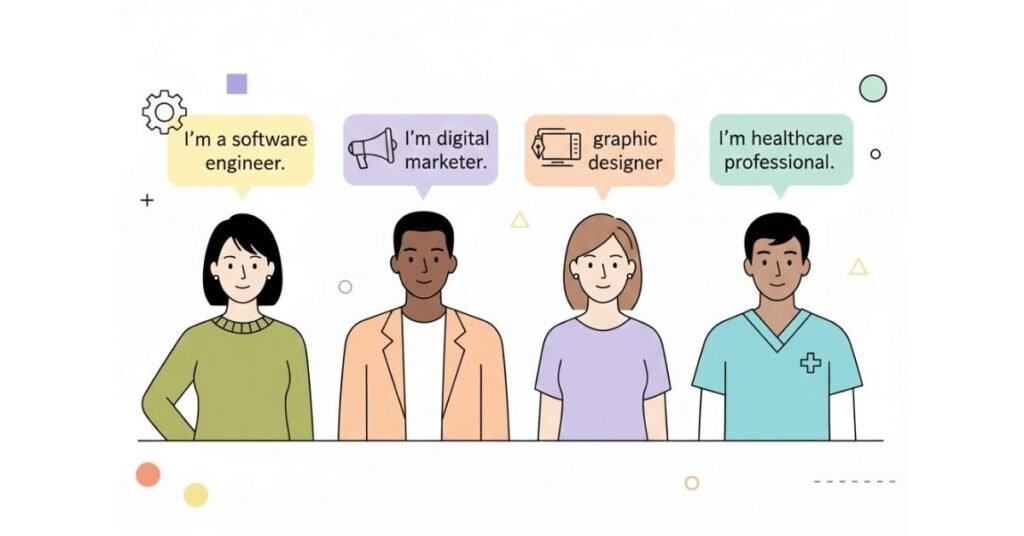
Table of Contents
Why One Self-Introduction Doesn't Fit All Industries
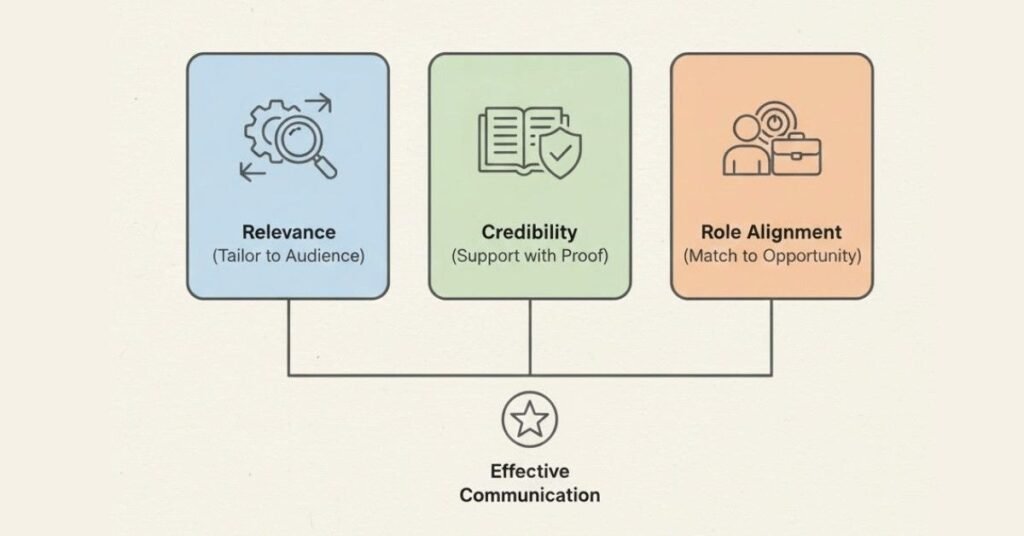
A brilliant self-introduction for a tech company falls flat in a finance interview. Your marketing achievements don’t impress HR recruiters the same way. What works for consulting positions confuses sales hiring managers.
Here’s the reality: each industry values different things, measures success differently, and responds to different narratives. The software engineer who talks about scalability and technical architecture makes sense to tech companies. But that same introduction bores an HR professional who’s evaluating cultural fit and people skills.
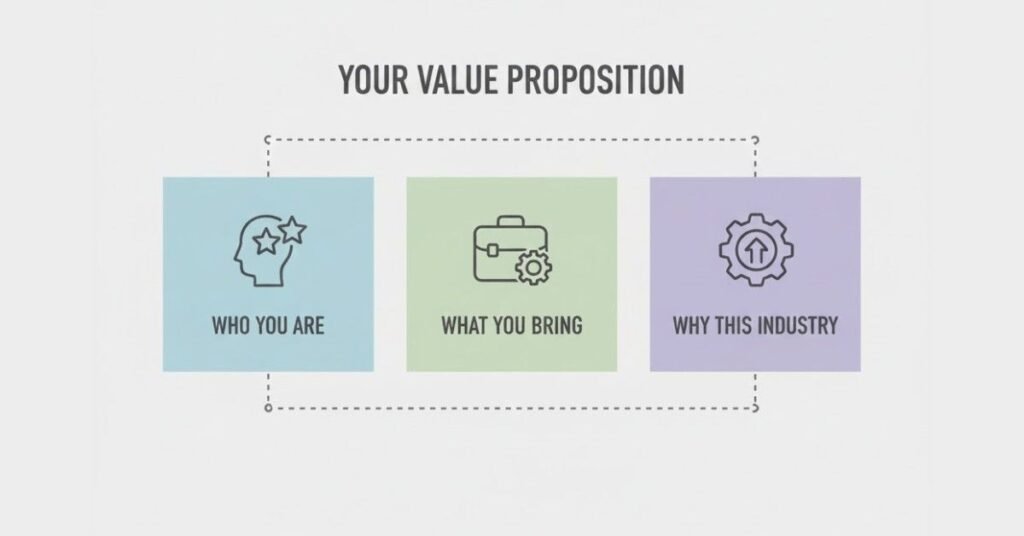
Understanding what each industry actually cares about allows you to frame your introduction strategically. You’re not lying or changing who you are—you’re emphasizing the aspects of your background that matter most in that specific context.
IT and Software Development Industry

What IT Companies Value:
- Technical expertise and specific technologies
- Problem-solving and debugging mindset
- Scalability thinking
- Learning new technologies quickly
- Code quality and best practices
- Collaboration in agile environments
What NOT to emphasize:
- Soft skills above technical skills
- Too much business jargon
- Vague technological references
Self-Introduction Template:
“Hi, I’m Karthik, a full-stack developer with 3 years of experience building scalable web applications. I specialize in React and Node.js, and I’ve built products that handle 100,000+ daily users. What excites me about coding is solving complex problems—like when I optimized our database queries and reduced API response time from 5 seconds to 200 milliseconds, which improved user retention by 25%. I’m constantly learning; recently I’ve been exploring microservices architecture. I’m particularly interested in your company because your tech stack aligns with my expertise, and I’m drawn to the challenges of building systems at scale.
Why this works:
- Specific technologies mentioned (React, Node.js)
- Quantified technical impact (100,000+ users, response time improvement)
- Shows continuous learning
- Addresses scalability (IT concern)
- Explains technical problem-solving
Industry-Specific Language:
- “Scalable,” “architecture,” “optimization,” “deployment,” “debugging,” “APIs,” “databases”
- Numbers about performance, users, improvements
- Specific frameworks and languages.
Marketing and Digital Marketing Industry

What Marketing Companies Value:
- Data-driven decision making
- Campaign results and ROI
- Creative thinking with analytical foundation
- Understanding customer psychology
- Adaptability to trends
- Storytelling ability
What NOT to emphasize:
- Only creative ideas without results
- Vague metrics (“increased engagement”)
- Disconnection from business objectives
Self-Introduction Template:
“Hello, I’m Priya, a digital marketing specialist with 4 years of experience in EdTech marketing. What I love about this field is the intersection of psychology and data—understanding why people make decisions and using that to build compelling campaigns. At my current company, I’ve increased organic traffic from 5,000 to 50,000 monthly visitors through data-driven SEO strategy and content optimization. I also managed social media campaigns that generated ₹2 lakhs in revenue over 6 months. What excites me most is how marketing can democratize learning by reaching students who wouldn’t otherwise have access to quality education. Your company’s mission to make education accessible aligns perfectly with why I’m passionate about this field.
Why this works:
- Clear business impact (50,000 visitors, ₹2 lakhs revenue)
- Shows data-driven approach
- Connects psychology to marketing
- Ties personal values to business outcomes
- Uses storytelling about mission alignment
Industry-Specific Language:
- “ROI,” “conversion,” “engagement metrics,” “customer acquisition,” “retention,” “A/B testing,” “analytics”
- Numbers with business context (not just percentages)
References to trends and consumer psychology.
Finance and Banking Industry

What Finance Companies Value:
- Precision and accuracy
- Risk management thinking
- Regulatory compliance awareness
- Analytical rigor
- Process excellence
- Professional demeanor
What NOT to emphasize:
- Creative risks or unconventional thinking
- Informal language
- Vague financial understanding
Self-Introduction Template:
“Good morning. I’m Arun, a finance analyst with 5 years of experience in investment banking and corporate financial planning. Throughout my career, I’ve focused on building financial models that drive strategic decision-making for executive leadership. At my current firm, I’ve managed financial forecasting for portfolios valued at ₹100+ crores, with forecasting accuracy of 95%. I’ve also implemented audit procedures that identified compliance gaps, helping the organization exceed regulatory requirements. What attracts me to your organization is your commitment to sustainable finance practices, which aligns with my growing interest in ESG investment strategies. I’m eager to contribute to your team’s analytical rigor and attention to detail.
Why this works:
- Professional, formal tone appropriate for banking
- Specific financial figures (₹100+ crores)
- Quantified accuracy (95%)
- Shows compliance and risk awareness
- Demonstrates analytical rigor.
Industry-Specific Language:
- “Financial models,” “portfolio,” “compliance,” “audit,” “forecasting,” “risk management,” “regulatory”
- Specific currency amounts
- References to accuracy and precision
Sales and Business Development Industry

What Sales Companies Value:
- Results and numbers (actual revenue)
- Relationship building skills
- Resilience and persistence
- Understanding customer needs
- Strategic thinking
- Passion and drive
What NOT to emphasize:
- Being too cautious or risk-averse
- Disconnection from revenue impact
- Lack of enthusiasm
Self-Introduction Template:
“Hi! I’m Rajesh, a sales development representative with 3 years of experience in B2B SaaS sales. What drives me is building genuine relationships that lead to long-term partnerships. In my current role, I’ve closed 42 enterprise deals worth ₹3 crore in annual revenue, with an average deal size of ₹71 lakhs—significantly above our team average. But what I’m most proud of is maintaining a 95% client retention rate because I actually listen to what clients need. I’m drawn to your company because your product solves a real pain point I’ve heard from dozens of potential clients. I’m excited about the challenge of building your sales presence in the Telangana market.
Why this works:
- Focuses on revenue (real results)
- Shows relationship-building skill
- Personal drive evident
- Local market knowledge (Telangana)
- Demonstrates persistence and customer understanding
Industry-Specific Language:
- Revenue numbers, deal sizes, close rates
- “Pipeline,” “qualification,” “conversion,” “relationship,” “customer retention”
- Language showing energy and confidence
Human Resources (HR) and Talent Acquisition Industry
What HR Companies Value:
- People-centered thinking
- Organizational culture understanding
- Strategic workforce planning
- Compliance and policy knowledge
- Emotional intelligence
- Business impact thinking
What NOT to emphasize:
- Too much process focus without people focus
- Disconnection from business objectives
- Lack of genuine care for employees
Self-Introduction Template:
“Hello, I’m Kavitha, an HR professional with 6 years of experience in talent acquisition and organizational development. What I’ve learned is that great companies are built on great people, and my mission is identifying and developing those people. In my current role, I’ve built a recruitment process that reduced time-to-hire from 45 days to 20 days while improving hire quality—our new hires have a 90% performance rating after 6 months. I’ve also led diversity initiatives that increased our underrepresented talent pool by 40%. What excites me about your organization is your genuine commitment to employee development. I’m eager to contribute to building a culture where talented people want to grow their careers.
Why this works:
- Shows people-first mentality
- Quantifies HR impact (hiring timeline, quality)
- Demonstrates strategic thinking (diversity)
- Shows cultural awareness
- Connects to company values
Industry-Specific Language:
- “Talent pipeline,” “workforce planning,” “retention,” “employee engagement,” “compensation strategy,” “organizational development”
- People-focused metrics
Operations and Supply Chain Industry
What Operations Companies Value:
- Process improvement and efficiency
- Cost optimization
- Risk mitigation
- Data-driven decision making
- Cross-functional collaboration
- Continuous improvement mindset
What NOT to emphasize:
- Status quo thinking
- Resistance to change
- Disconnection from business objectives
Self-Introduction Template:
“Good morning. I’m Prakash, an operations manager with 7 years of experience optimizing supply chain and logistics processes. I’m passionate about finding inefficiencies and turning them into competitive advantages. In my current role, I’ve reduced operational costs by ₹45 lakhs annually through process reengineering and supplier optimization. I’ve also implemented an inventory management system that reduced stockouts by 60% while freeing up ₹30 lakhs in working capital. What attracts me to your organization is your commitment to sustainable operations—I believe efficiency and environmental responsibility go hand-in-hand. I’m excited about the opportunity to bring data-driven process improvement to your operations.
Why this works:
- Focuses on efficiency and cost optimization
- Quantifies business impact
- Shows improvement mindset
- Demonstrates cross-functional thinking
- Connects to company values (sustainability)
Industry-Specific Language:
- “Efficiency,” “optimization,” “process improvement,” “KPIs,” “supply chain,” “cost reduction”
- Specific financial impact numbers
Education Technology (Your Industry!) and EdTech
What EdTech Companies Value:
- Passion for education accessibility
- Understanding student needs
- Data-driven approach to learning outcomes
- Tech + pedagogy balance
- Growth mindset
- Impact thinking.
What NOT to emphasize:
- Treating education as just another business
- Disconnection from student impact
- Tech for tech’s sake
Self-Introduction Template:
“Hello! I’m Sneha, a digital marketing specialist with 3 years of experience in EdTech, and I’m genuinely passionate about democratizing quality education. I’ve spent the last 2 years helping educational startups reach students in Tier-2 and Tier-3 cities who wouldn’t otherwise have access to quality learning. In my current role at ABC EdTech, I grew our student base from 5,000 to 50,000 through targeted content marketing in Telugu and local SEO optimization. But what excites me beyond the numbers is that I’ve watched students get placed in better jobs because of skills they learned through our platform. That’s why I’m particularly drawn to Frontlines Edutech—your commitment to making career development accessible to every student resonates with my core values. I want to be part of a team making real educational impact.
Why this works:
- Shows genuine passion for education
- Combines business metrics with impact
- Local market understanding (Telugu, Tier-2/3 cities)
- Demonstrates understanding of student journey
- Aligns personal values with company mission.
Industry-Specific Language:
- “Student outcomes,” “learning impact,” “accessibility,” “skill development,” “enrollment,” “student success”
Mix of business metrics and impact metrics.
Real Estate and Property Development Industry
What Real Estate Companies Value:
- Sales/negotiation skills
- Market knowledge
- Relationship management
- Legal/compliance awareness
- Financial acumen
- Local market expertise
Self-Introduction Template:
“Hi, I’m Aditya, a real estate sales consultant with 5 years of experience in residential and commercial property sales across Hyderabad. What I understand about this market is that successful real estate is about understanding customer needs and local dynamics. In my current role, I’ve closed 35 residential properties worth ₹25 crores in the past two years, with 100% customer satisfaction on post-sale service. I’ve also developed strong relationships with builders and financial institutions that enable smooth transactions. I’m interested in your company because of your reputation for transparent dealing and quality customer service in the Hyderabad market.
Why this works:
- Demonstrates local market knowledge
- Shows sales numbers
- Emphasizes customer relationships
- References regulatory awareness
Shows specific market focus
How to Customize Your Introduction for Your Industry
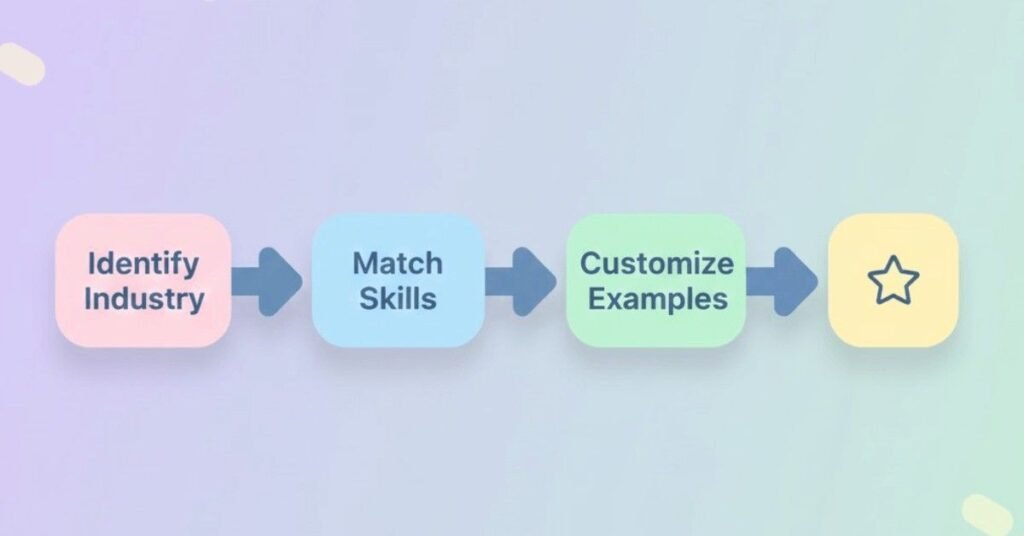
Step 1: Identify 3-4 values your industry prioritizes
Step 2: Find achievements from your background that demonstrate those values
Step 3: Use industry-specific language and metrics
Step 4: Connect your personal motivation to industry needs
Step 5: Practice until it sounds natural, not forced
The Universal Rule Across All Industries
Regardless of industry, every powerful self-introduction contains.
✅ Credibility (who you are, your background)
✅ Proof (specific achievements with numbers)
✅ Values Alignment (why you care about this work)
✅ Forward Thinking (why you’re excited about this opportunity)
When you understand your industry’s priorities and frame your introduction accordingly, you don’t just sound qualified—you sound like you belong in that field.