
In the modern competitive job world, an outstanding resume is not enough to be a great Java developer. The employers and the clients are not only looking for Java experienced problem solvers who implement knowledge on actual issues. A Java Portfolio is important. A great portfolio informs you of what you can do, how well you know it, and your work, and that provides your future employers with an idea of what they can get from you
Why Do I Need a Java Developer Portfolio?
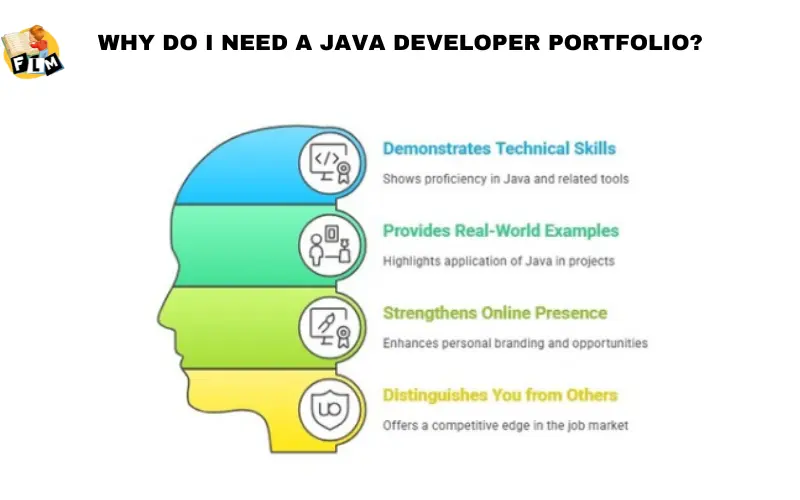
While your resume shows your education and experience, a portfolio shows that you can code, debug, and create applications. Here’s why Building a Java Portfolio is important
- Demonstrates Technical Skills – Shows your proficiency in Java, frameworks, and tools
- Provides Real-World Examples – Employers know how you use Java in real-world projects
- Makes Your Online Presence Stronger – Your portfolio is your own brand that brings opportunities to you
- Stands You Out – A professionally designed portfolio makes you stand out from the crowd
Whether you are job hunting, taking freelance projects, or contributing to open-source projects, a good portfolio can be a game changer
Choose the Best Platform for Your Portfolio
The most important thing to do while Building a Java Portfolio is to determine where to host it. Among the best hosts are
- GitHub – The ideal host for your code and open-source projects
- Personal Website – Having a personal website is the purpose of being able to present your portfolio professionally
- LinkedIn – You can share projects in your profile under the ‘Projects‘ tab.
- Dev.to or Medium – You can publish technical blogs of your projects in your portfolio
If you’ve done web development, then you can have a personal website where you can display your projects, resume, and contact information tidily
Choose Your Best Projects
Your portfolio should have good-quality projects which demonstrate your capability to solve real-world problems. Choose projects which
- Highlight Core Java Skills – Highlight object-oriented programming, data structures, and algorithms
- Use Popular Frameworks – Projects done with Spring Boot, Hibernate, or JavaFX are highly preferred
- Highlight Full-Stack Development – If you have Java Full Stack skills, highlight front-end and back-end skills
- Use Real-World Solutions – Employers love projects with real-world solutions
Some Examples of Projects to Highlight
- Library Management System – A CRUD application with Spring Boot and Hibernate
- E-commerce Website – A complete-stack project created with Java, React, and MySQL
- Chat App – Chat application with real-time updates through WebSockets and JavaFX
- Bank System – A Java program that secures a bank transaction process display
Ensure that your code is readable, clean, and conforms to best practices
Document Your Projects Well
Your good portfolio is not only code but also comments regarding your projects. Document the below in every project
- Project Name – A short business name
- Description – What it does and why you made it.
- Technologies Used – Java version used, frameworks used, databases used, and tools used.
- Challenges and Solutions – Record any problems you had to overcome and how you achieved it
- Screenshots or Live Demo – Show the project in action using images or a hosted demo.
- GitHub Repository Link – Make it simple for recruiters to step through your code
If your portfolio is online, there should be a single page or section for each project with neatly arranged content
Include Open Source Contributions
Contributions to open source are an excellent means of demonstrating your skills and your ability to collaborate. Employers appreciate developers who
- Contribute to repositories in GitHub
- Contribute through making bug fixes and contributing to pre-existing codebases
- Create documentation and tutorials
- Participate in Java developer communities.
Discover Java-open source projects on sites such as GitHub, Apache, and Google Summer of Code, and begin contributing
Showcase Certifications and Accomplishments
Should you have undertaken Java certifications or courses, include them in your portfolio. Some of the widely accepted certifications are
- Oracle Certified Java Programmer (OCPJP)
- Spring Professional Certification
- AWS Certified Developer (Java-specific services)
- Google Cloud Java Certification
Besides, point out any hackathons, coding competitions, or awards received
Technical Blogging and Tutorials
Java blogging demonstrates your skill and makes you an expert. Write blogs on:
- How You Created a Specific Project
- Best Java Development Practices
- Most Commonly Made Java Errors and How to Prevent Them
- Java Framework vs. Tools: Comparison
Blogging on Medium, Dev.to, LinkedIn, or your blog can make recruiters and potential employers notice you on your resume
Update Your Portfolio
A portfolio is not a one-time thing it needs to refresh as you add new skills and experience. Refresh your portfolio periodically by:
- Adding new projects and deleting old ones.
- Revising recent courses or certifications.
- Creating new tutorials and blog posts.
- Improving the user interface and aesthetic of your site.
That way, your portfolio remains up to date with your latest skills and experience
Share Your Portfolio Effectively
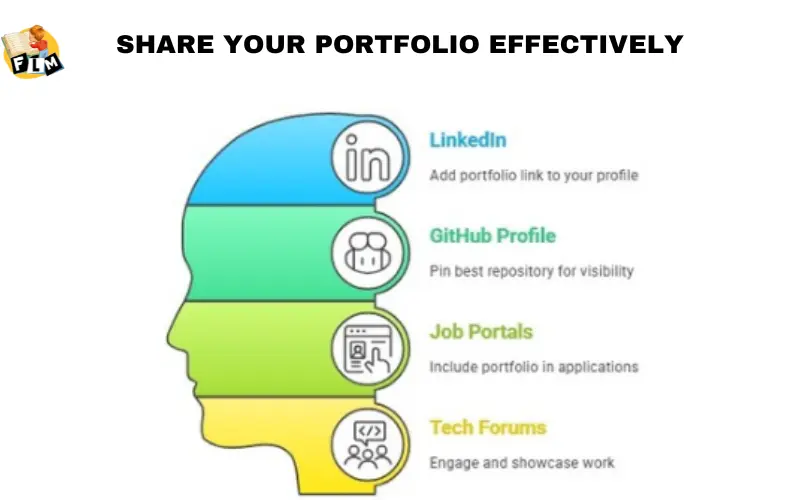
After preparing your portfolio, post it on professional networks and job websites to get the maximum visibility
Where to Post Your Portfolio?
- LinkedIn – Add portfolio link to your LinkedIn profile
- GitHub Profile – Pin your best repository for recruiters to find.
- Job Portals (Naukri, Indeed, Glassdoor) – Include your portfolio in job applications
- Tech Forums (Stack Overflow, Java Communities) – Engage with other developers and showcase your work
Sharing your portfolio actually puts you in a good position of obtaining an interview and a job opportunity
Conclusion
Creating a Java Portfolio is essential for being a successful and capable Java programmer. By the use of quality projects, documentation, open-source contributions, and keeping your portfolio updated, you can showcase your talent in the best possible way.
Suggested Articles
- Essential Tools for Java Full Stack Developers
- Benefits of Taking a Professional Java Course
- What’s Next After Completing Your Java Full Stack Course
Future-Proof Your Career with FLM’s AI-Powered Java Full Stack Development
Java Full Stack Developer Training
Learn Java, Spring Boot, React.js, SQL, and AI automation to build powerful web applications. AI is transforming software development, and companies need skilled Java full stack developers who can integrate AI-driven solutions. This 5+ month live, interactive training will help you master real-world projects, automation tools, and industry best practices
What You’ll Gain?
- High Demand – AI Skills Give You a Competitive Edge
- Earn ₹12 LPA+ with Java Full Stack & AI Expertise
- 100% Live, Expert-Led Training
- AI-Powered Development – Automate Coding & Debugging
- 7 Major & 7 Mini Real-World Projects for Hands-On Experience
- Mock Interviews, Resume Building & Career Guidance
- Exclusive: 2-Year Recording Access for the First 100 Enrollees
- Job-Ready Curriculum with Real-World Applications
Unlock your future with FLM’s AI-Powered Java Full Stack Development — limited seats remaining! Enroll Now
Visit: frontlinesedutech.com | Click Here to Enroll
WhatsApp: 8333077727