
Mpox is Known as a MonkeyPox, a viral zoonosis, which means this virus transfers to humans from animals. The disease clinically manifests with symptoms similar to those experienced previously in smallpox patients but is much clinically less severe. In general, Mpox is relatively common in Central and West African countries, while outbreaks in jurisdictions outside both regions have drawn international concerns.
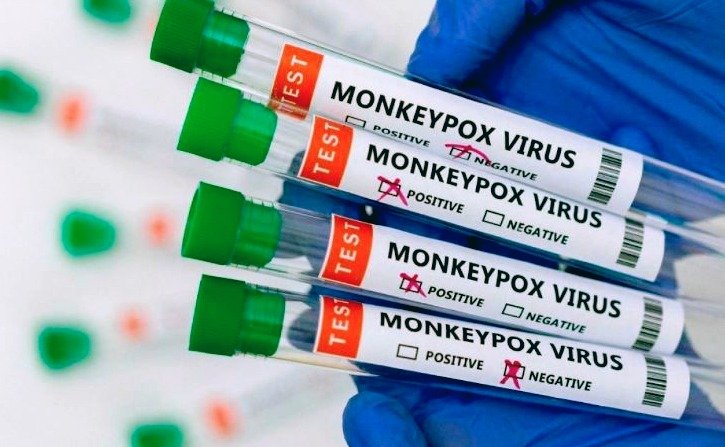
MONKEYPOX HISTORY:
Mpox was first discovered in 1958, following two outbreaks of a smallpox-like illness in colonies of monkeys kept for use in laboratory research. This led to the naming of the disease as “Monkeypox.” First described in humans in 1970 in the Democratic Republic of Congo, during the intensive effort at that time to eliminate smallpox. After, other Central and West African countries have reported human cases, with numbers of cases slowly rising over the past few decades.
This virus belongs to the genus Orthopoxvirus, which also includes variola virus, vaccinia virus administered for smallpox immunization, cowpox virus, and others. Unlike smallpox, Mpox is less infectious and has a tendency to produce a less severe disease.
TYPES OF VIRUS:
The Classical MPOX Virus existed here:
1. Central African (Congo Basin) Clade:
- This clone is considered to cause more virulent forms of the disease and is thought to be easier to transmit than that of West Africa.
2. West African Clade:
- Generally has milder symptoms with a reduced fatality rate compared to the Central African clone.
MPOX SYMPTOMS:
The period after a person has been infected with mpox, when symptoms first become apparent, is within 7-14 days. However, it ranges from 5-21 days. The Time of illness is Generally 2 to 4 weeks. In individuals with weakened immune systems, complications may be more severe and last longer.
EARLY SYMPTOMS
The most prominent early signs and symptoms of Mpox are as follows:
- Fever
- Headache
- Chills
- Muscle Aches
- Back Pain
- Swollen Lymph Nodes
- Exhaustion or Fatigue
These are followed by the characteristic development of a rash.
RASH
- The typical Mpox rash undergoes progression from flat red spots to fluid-filled blisters.The rash, like the fever, goes through several stages before finally forming scabs and falling off.
- The rash is anywhere on the body. Common places include the face, inside the mouth, the chest and back, arms, hands, legs, feet, genitals and anus. The number of lesions may vary from merely a few up to several thousand.
- The rash tends to hurt, especially when sores or blisters merge into one. In other instances, some people might have inflammation in the rectum, proctitis, that is accompanied by sharp pain, or inflammation in the genitals, which may cause pain in passing urine.
- In a few rarer instances, some people may not develop the rash but may eventually feel pain in the rectum, bleeding, or even an infection.
DEVELOPMENT OF SYMPTOMS:
The rash typically begins to evolve 1-5 days after the abrupt onset of the first fever and other non rash symptoms. During the evolution of the rash, it changes in distinct stages in which
- Initially flat red spots develop
- The spots turn into fluid-filled blisters
- Blisters scab over and fall off
- Additionally, the rash may cause discomfort, especially in cases where the sores or blisters merge. Some people will get inflammation inside the rectum – proctitis, which is very painful, or inflammation of the genitals and this makes urination painful.
- Some people may not get a rash but rather have pain in the rectum or even bleeding or infection in this area
- Monkeypox may lead to a severe disease and, mostly in the case of the infants; young children, pregnant women, and those with a weak immune system.
PREVENTING MPOX:
From personal prevention strategies to community awareness, many are some of the strategies used in preventing Mpox. The key steps to keeping Mpox at bay are as follows.
1. Vaccination:
- Due to a well-known fact, the smallpox vaccine is an efficient preventive tool applied against Mpox. In regions with Mpox high endemicity, the use of vaccination campaigns is a critical tool for preventing outbreaks.
2. Avoid Infected Animals:
- Avoid, or in any case, reduce all kinds of contact that could be a potential route of entry of the virus into humans, more so rodents, and nonhuman primates.
3. Keep Good Hygiene:
- Since Mpox is a zoonotic disease, good hygiene measures, especially handwashing with soap and clean water after touching animals and animal products, will help lower risks of transmission
4. Safe Handling of Animal Products:
- Thoroughly cooking meat and avoiding bush meat can reduce exposures to Mpox.
5. Isolation of Infected People:
- The infected or those presumed of being infected with Mpox shall be kept in isolation to avoid spreading the disease. The health workers should also consider using personal protection apparatus when attending to patients with Mpox.
6. Sensitization and Education Mobilization:
- Casual mobilization of the masses may make the community understand the risks and symptoms of Mpox, hence leading to earlier detection and reduced transmission.
- The World Health Organization (WHO) has Confirmed the Mpox outbreak Rising across the world a Public Health Emergency of International Concern in July 2022. PHEIC is the highest level of alert that WHO can raise—essentially, an urgent call to action for an organized international response to secure the disease from further spread.
- Justification for the declaration of a PHEIC has been wide outbreak of mpox in over one country and to regions where it is normally not endemic; this indication steps up stress on the urgent need for a strong public health response.
CONCLUSION:
- Mpox is an important public health concern in areas where it’s normally endemic, although it’s not as serious as smallpox. Mpox is a virus whose spread can be controlled—only with the right mix of vaccination, public awareness, and preventive measures.
- This, in effect, speaks very loudly to how imperative it is, now that WHO has declared Mpox a Public Health Emergency of International Concern, for there to be absolutely no delay in globally responding to this virus in acceleration mode. The history and impact, symptoms, and preventive measures of Mpox will help mitigate its impact on populations.
Written by – Arun Sai