
12 Best Environmental Certifications to Boost Your Career
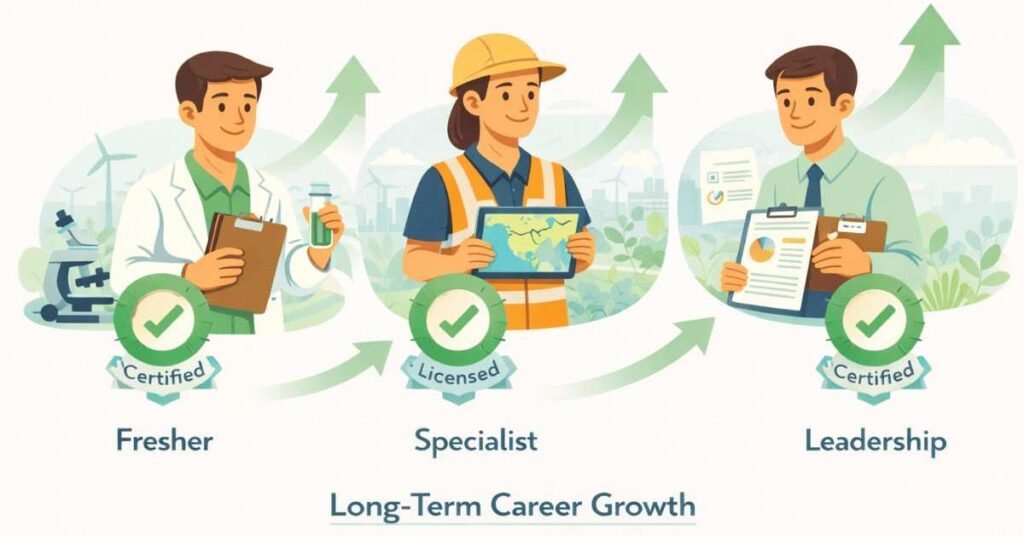
Table of Contents
Introduction
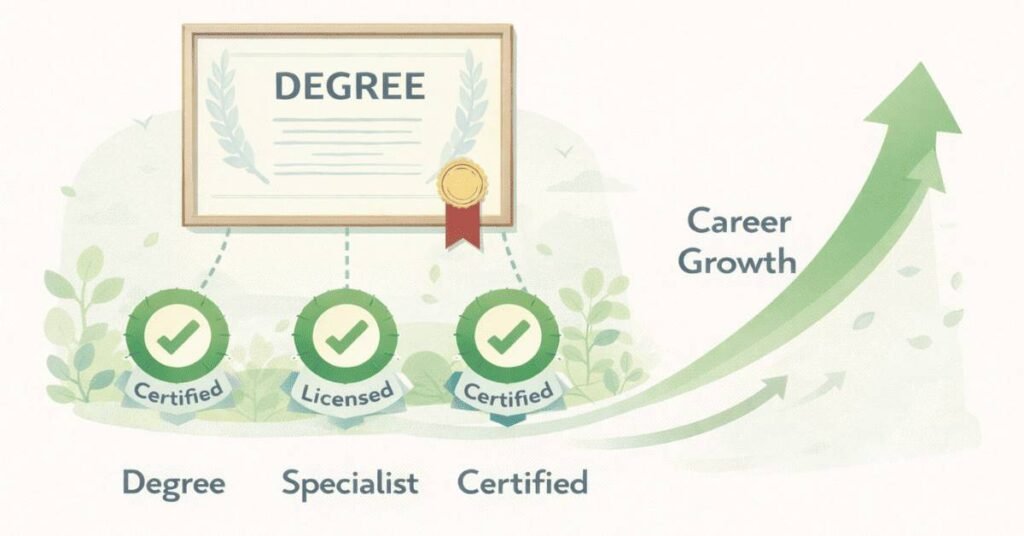
Environmental, climate, and ESG careers are becoming more competitive every year. A degree gets you into the race, but certifications signal specialization and seriousness. They show employers that you have gone beyond classroom theory and invested time to master specific tools, standards, or frameworks.
This guide breaks down 12 key certification types in simple language, explains who they’re for, when to do them, and how they help your career—so students and working professionals can choose wisely instead of collecting random certificates.
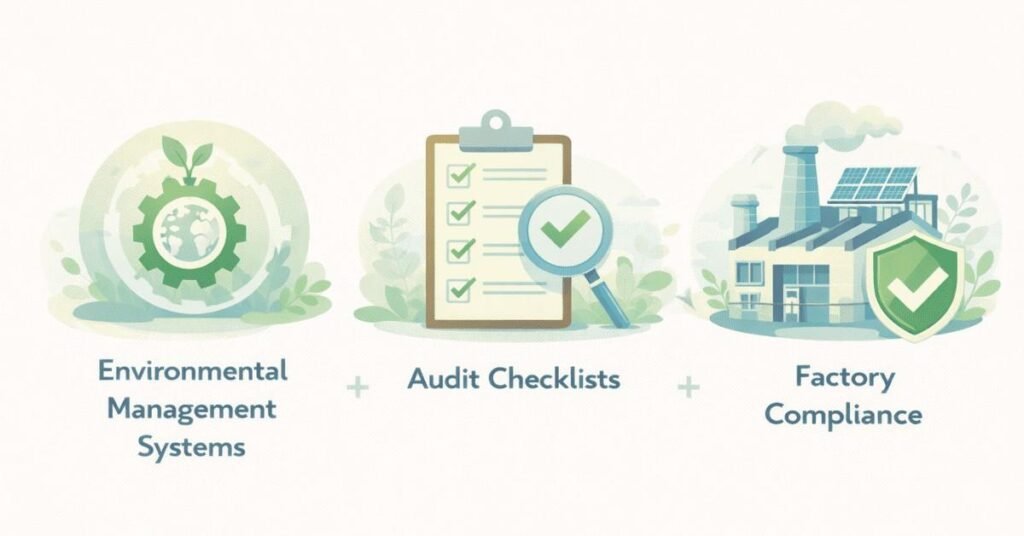
1. Environmental Management System (EMS / ISO 14001) Courses
Best for: EHS officers, environmental engineers, compliance roles, plant- and site-based jobs.
ISO 14001 is a widely used framework for managing a company’s environmental responsibilities in a structured, systematic way. Courses range from basic awareness to internal auditor and lead auditor programs.
What you learn (typical):
- How an Environmental Management System (EMS) is structured (policy, planning, operation, monitoring, improvement).
- How companies set environmental objectives and track performance.
- Basics of internal audits and non-conformance handling.
How it helps your career:
- Makes you a stronger candidate for EHS and compliance roles in factories, infrastructure, and large facilities.
- Useful talking point in interviews when asked about “systems,” “audits,” or “environmental performance.”
- Often preferred for promotions into EHS supervisor or manager positions in industry.
When to do it:
- Final year of BSc/BTech or within first 2–4 years of work in EHS/plant roles.
2. General Environmental Professional Certifications
Best for: Mid-career professionals in consulting, compliance, or corporate environment roles.
Professional environmental credentials (often issued by specialist institutes or associations) validate broad competence across multiple environmental domains—pollution control, regulations, management, and risk.
What you learn (typical):
- Air, water, and waste management frameworks.
- Regulatory understanding and compliance mechanisms.
- Environmental risk assessment and mitigation.
How it helps:
- Positions you as a “recognized environmental professional,” especially in consulting and tender-based work.
- Can be valuable when working with international clients or seeking overseas roles.
When to do it:
- Usually after 3–5 years of experience, once you’re clear that you’re staying in environment as a long-term career.
ESG Analyst Salary in India (Realistic View)
3. Sustainability & ESG Reporting Certifications
Best for: Sustainability analysts, ESG analysts, corporate sustainability teams, and consulting professionals.
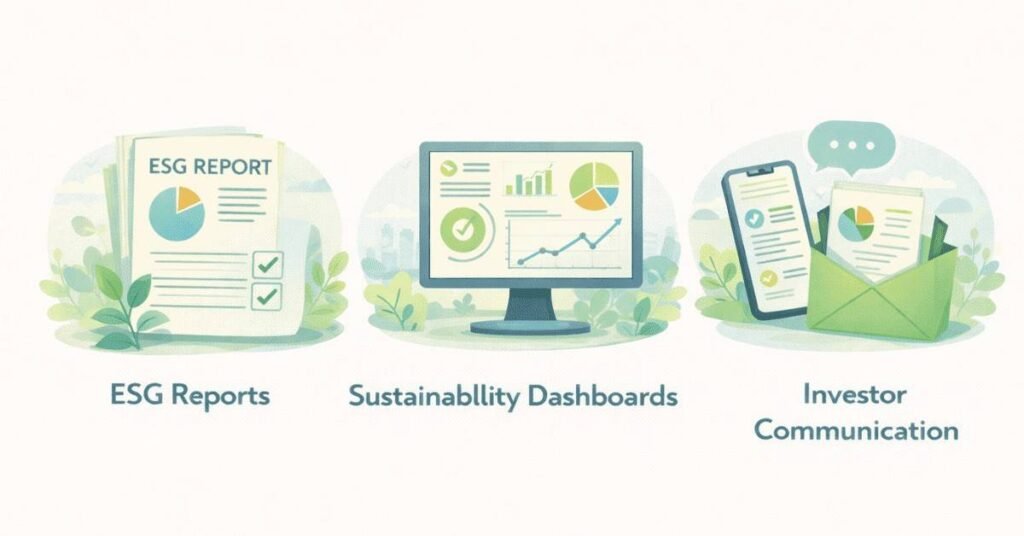
Companies now publish sustainability/ESG reports using frameworks like GRI, SASB, or similar standards. Specialized reporting courses help you understand how to structure these reports and what data is needed.
What you learn (typical):
- How to map company activities to ESG topics (environment, social, governance).
- Materiality assessment (deciding which topics matter most).
- Report structure, indicators, and disclosure quality.
How it helps:
- Strong advantage for roles focused on sustainability/ESG reporting and disclosure.
- Useful for working with investors, ratings, and stakeholder communications.
When to do it:
During or after a master’s/MBA in environment/sustainability/finance, or after 1–3 years in a sustainability-related job.
4. ESG and Responsible Investment Certifications
Best for: ESG analysts, sustainability professionals working with investors, finance graduates entering ESG.
ESG-focused investment certificates bridge the gap between finance and sustainability, teaching you how non-financial risks (like climate or human rights issues) impact company value.
What you learn (typical):
- How environmental and social issues create financial risk and opportunity.
- ESG integration into investment processes and portfolio analysis.
- Case studies of responsible investment strategies.
How it helps:
- Makes you highly relevant to asset managers, ESG ratings, and sustainable finance teams.
- Enhances credibility when discussing ESG with finance professionals and clients.
When to do it:
- After graduation if you’re targeting ESG roles directly, or with 2–5 years of finance/environment experience.
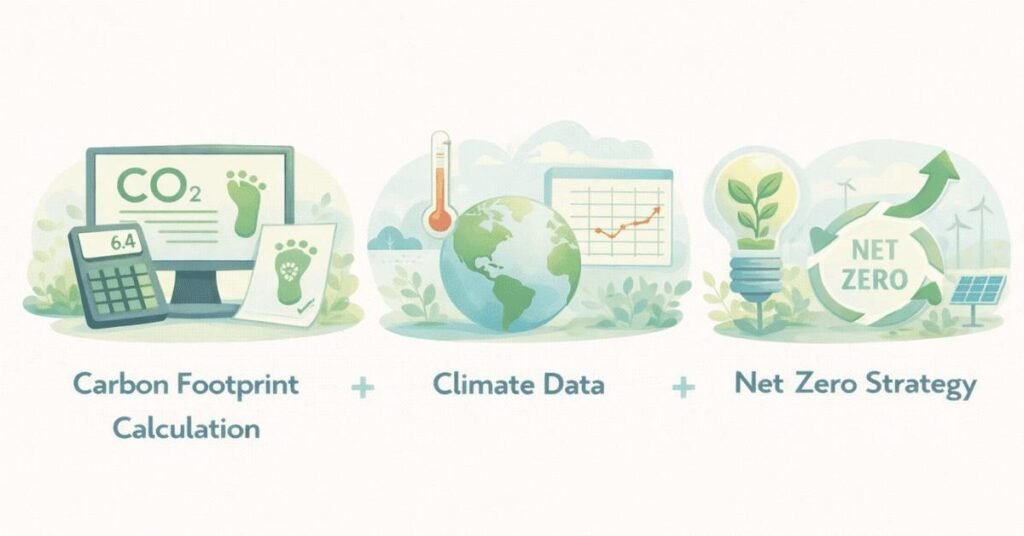
5. Carbon Accounting & GHG Inventory Certifications
Best for: Climate analysts, net-zero consultants, sustainability/ESG practitioners who deal with emissions.
Carbon accounting courses teach you to measure and report greenhouse gas emissions using global standards.
What you learn (typical):
- GHG Protocol basics and Scope 1, 2, 3 emissions.
- How to calculate emissions from energy use, fuel, travel, and supply chains.
- Basics of target setting, reduction strategies, and net-zero thinking.
How it helps:
- Very valuable for climate-specialist roles, net-zero roadmap projects, and corporate climate teams.
- Differentiates you from general environmental graduates who don’t know structured carbon accounting.
When to do it:
- Late in your bachelor’s or during master’s/MBA; also a good upskilling option for early professionals moving into climate roles.
6. Climate Change and Adaptation Short Programs
Best for: Students and professionals wanting to deepen climate knowledge without a full degree.
These are usually short, intensive programs—often online—run by universities, international organizations, or specialist institutes.
What you learn (typical):
- Climate science basics.
- Impacts of climate change on sectors like agriculture, water, cities, and health.
- Adaptation strategies and resilience planning.
How it helps:
- Adds depth to your understanding, making you more insightful in climate, policy, or project roles.
- Helpful for roles in development organizations, NGOs, and government programs linked to climate resilience.
When to do it:
- During or after your main degree to build a strong conceptual base for climate-related jobs.
7. GIS & Remote Sensing Certifications
Best for: Students targeting roles in conservation, urban planning, environmental consulting, or research.
GIS and remote sensing skills are in high demand for mapping land use, deforestation, water bodies, pollution hotspots, and more.
What you learn (typical):
- Use of QGIS/ArcGIS for basic to intermediate mapping.
- Handling spatial data, satellite imagery, and simple spatial analysis.
- Creating maps for environmental reports, EIAs, and planning studies.
How it helps:
- Opens up roles as GIS/environment analyst, mapping specialist, and supports research work.
- Makes you more attractive to consulting firms and conservation organizations that rely heavily on spatial data.
When to do it:
- During your BSc/BTech or early career.
- Can be done as a weekend or online program alongside your regular work or studies.
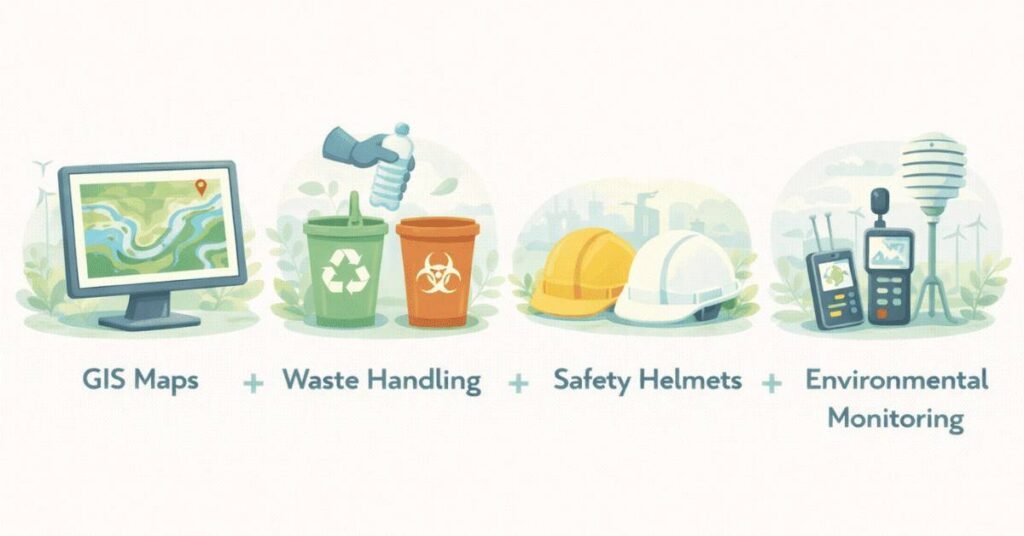
8. Waste Management & Hazardous Materials Certifications
Best for: EHS professionals, plant-based engineers, waste management and recycling sector roles.
Specialized waste or hazardous materials courses focus on handling, storing, transporting, and treating different types of waste safely and legally.
What you learn (typical):
- Rules and best practices for hazardous, biomedical, and solid waste.
- Safe handling procedures and emergency response basics.
- Documentation and compliance requirements.
How it helps:
- Useful in hospitals, manufacturing plants, waste management companies, and logistics.
- Often appreciated during audits and inspections, and can support promotions in EHS-heavy environments.
When to do it:
After you enter a role that frequently deals with hazardous or regulated waste, or if you aim to specialise in waste management.
9. Environmental Law & Policy Certificates
Best for: Students interested in policy, advocacy, compliance, or environmental governance.
These courses provide structured exposure to environmental legislation, legal mechanisms, and policy instruments.
What you learn (typical):
- Key environmental laws and regulations in your country.
- How courts, regulators, and agencies enforce environmental norms.
- Case studies on environmental litigation and landmark judgments.
How it helps:
- Advantageous for roles in policy research, advocacy, compliance, and some consulting assignments.
- Builds your ability to interpret legal requirements and support legal/compliance teams.
When to do it:
- During law, policy, or environmental degree, or if you’re shifting from general environment into policy/compliance work.
10. Health, Safety & Environment (HSE) / Industrial Safety Certifications
Best for: EHS officers, HSE managers, safety professionals in industries and construction.
Combined safety and environment certifications often cover occupational safety, risk management, and environmental protection together.
What you learn (typical):
- Hazard identification, risk assessment, and control measures.
- Accident investigation and reporting.
- Basic environmental monitoring and waste/emissions controls.
How it helps:
- Strongly valued in manufacturing, oil & gas, infrastructure, and large construction projects.
- Often considered a must-have for HSE leadership positions.
When to do it:
After or during a technical degree (engineering / science) if you plan an EHS-heavy career.
11. Sustainability & Environmental Management PG Diplomas
Best for: Graduates and working professionals shifting into sustainability/environment from another domain.
Postgraduate diplomas (often 6–24 months, part-time or distance) provide a structured overview of environmental management, sustainability, and sometimes climate or ESG.
What you learn (typical):
- Environmental management systems and policies.
- Basics of climate, energy, waste, and resource efficiency.
- Introduction to sustainability reporting and corporate responsibility.
How it helps:
- Very useful for career changers (for example, mechanical engineer or commerce graduate moving into sustainability).
- Signals commitment and gives a formal academic credential in the field.
When to do it:
- After 1–5 years of work when you are sure you want to pivot into environment/sustainability.
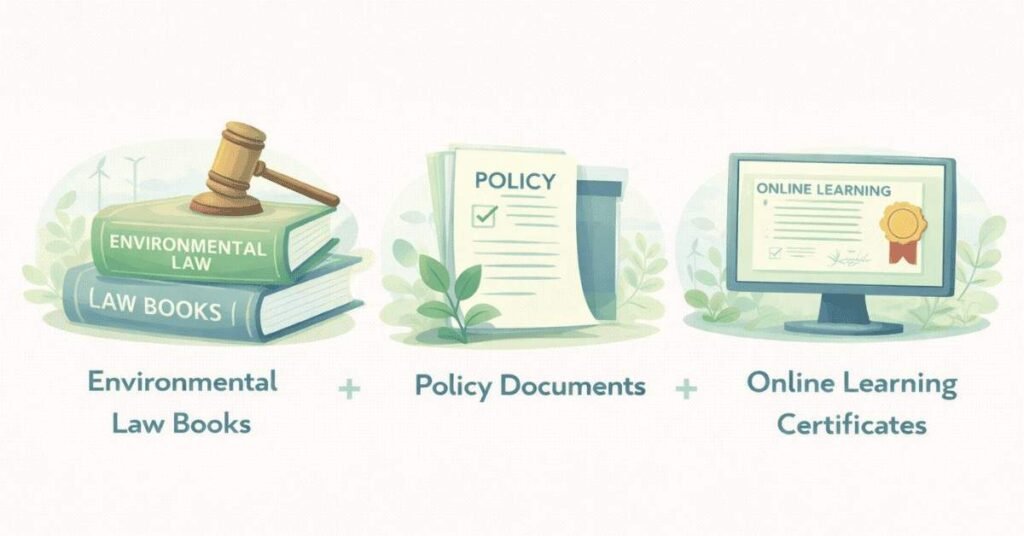
12. Online Environmental & Sustainability Micro-Credentials
Best for: Students and early professionals building foundational skills or testing their interest.
Short online programs and micro-credentials can cover specific topics like:
- Climate change foundations.
- Corporate sustainability basics.
- Introduction to ESG.
- Conservation project design.
What you learn (typical):
- Focused knowledge in 4–12 weeks with assignments and case studies.
- Practical examples from real organizations.
How it helps:
- Build your base quickly and cheaply.
- Good way to test if you really enjoy a topic before committing to longer study.
- Can be added to CV and LinkedIn to show ongoing learning.
When to do it:
During semesters, holidays, or early career to build momentum and clarity.
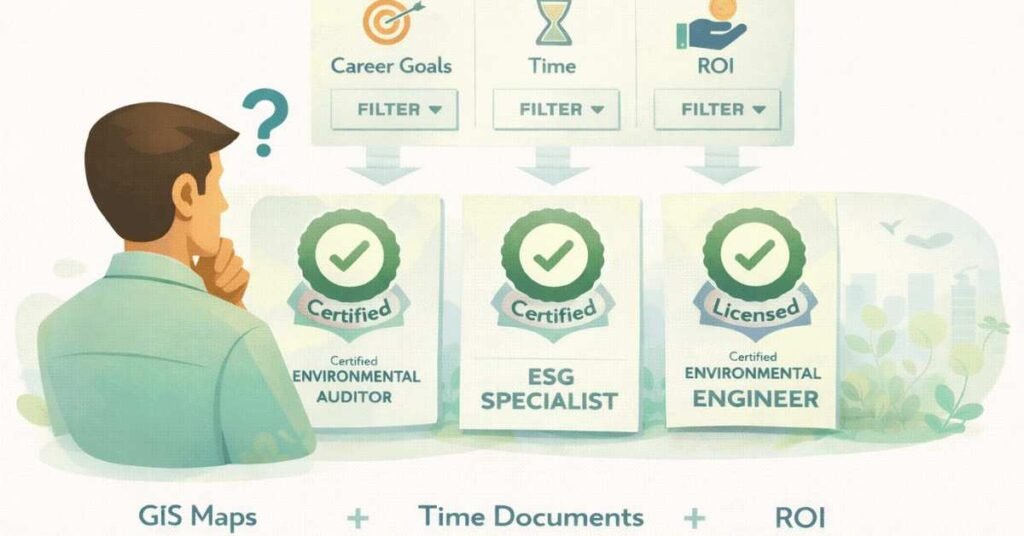
How to Choose the Right Certification (Without Wasting Money)
Career Transition Self-Introduction
Use this simple filter before signing up:
- What is my target role in the next 3–5 years?
- EHS/Plant → EMS, HSE, waste, and safety courses.
- Consulting/Corporate Environment → EMS, EIA, environmental management, GIS.
- ESG/Sustainability → ESG/sustainability reporting + perhaps an ESG investment or climate credential.
- Climate Specialist → Carbon accounting + climate-focused courses.
- Conservation/Field → GIS, conservation project design, maybe environmental law basics.
- EHS/Plant → EMS, HSE, waste, and safety courses.
- Does this certification come from a recognized, credible body?
- Prefer institutes, universities, or professional associations known in industry.
- Prefer institutes, universities, or professional associations known in industry.
- Will it teach me something I can actually use at work?
- Look for clear learning outcomes, case studies, and practical assignments.
- Look for clear learning outcomes, case studies, and practical assignments.
- Is this the right time?
- As a student: 1–2 focused certifications are enough; don’t overkill.
- As a working professional: pick programs aligned with your immediate role or next promotion.
- As a student: 1–2 focused certifications are enough; don’t overkill.
How Certifications Impact Salary and Growth
Certifications do not magically guarantee high salaries. But when combined with:
- A relevant degree,
- 1–5 years of solid work experience, and
- Demonstrated project results,
they can:
- Make your CV stand out in shortlisting.
- Justify higher salary expectations during negotiation.
- Accelerate promotion into senior or specialist roles.
In fields like ESG, climate, and EHS, certified professionals often have a noticeable edge when career paths are competitive, especially in consulting, corporate roles, and international opportunities.